
 CALL US ANY TIME
+852 2363 2511
CALL US ANY TIME


Author: ramseierkoatings Publish Time: 2025-12-16 Origin: Site


Content Menu
● Understanding Traditional Screening Methods
>> Overview of Traditional Screening
>> Limitations of Traditional Screening
● The Advantages of Vibrating Sieves
>> Versatility in Applications
● The Technology Behind Vibrating Sieves
● Comparing Performance: Vibrating Sieves vs. Traditional Methods
● Case Studies: Success Stories with Vibrating Sieves
>> Pharmaceutical Industry Example
>> 1. What materials can be screened using vibrating sieves?
>> 2. How do vibrating sieves prevent blinding?
>> 3. Are vibrating sieves easy to maintain?
>> 4. Can vibrating sieves be integrated into existing production lines?
>> 5. What industries benefit the most from vibrating sieves?
In various industries, the need for efficient and effective material separation is paramount. Traditional screening methods have served their purpose for decades, but with advancements in technology, vibrating sieves have emerged as a superior alternative. This article explores the reasons why vibrating sieves are preferred over traditional screening methods, highlighting their advantages, applications, and the technology behind them.
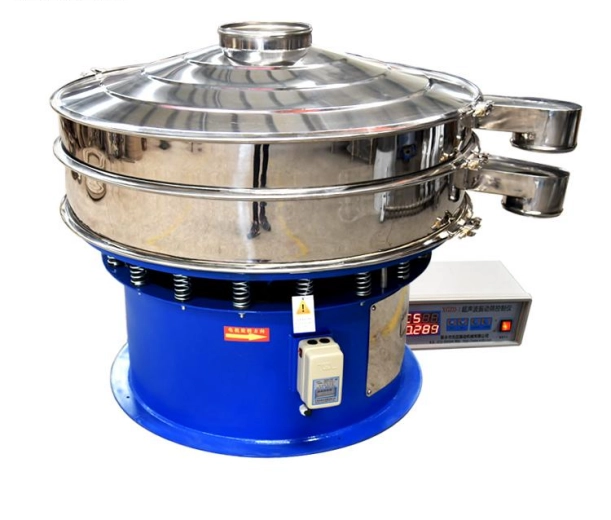
Traditional screening methods typically involve static screens or rotary sieves that rely on gravity and mechanical motion to separate materials. These methods have been widely used in industries such as mining, agriculture, and food processing. However, they come with several limitations that can hinder efficiency and effectiveness.
1. Inefficiency with Fine Materials: Traditional screens often struggle with fine or sticky materials, leading to blinding and reduced throughput.
2. High Maintenance Costs: Mechanical parts in traditional systems can wear out quickly, leading to increased maintenance and replacement costs.
3. Space Requirements: Many traditional screening systems require significant space, making them less suitable for modern, compact production environments.
4. Limited Flexibility: Adjusting the screen for different materials or sizes can be cumbersome and time-consuming.
Vibrating sieves have revolutionized the screening process, offering numerous advantages over traditional methods. Here are some key benefits:
Vibrating sieves utilize a combination of vibration and gravity to facilitate the movement of materials across the screen. This dynamic motion allows for:
- Higher Throughput: The continuous vibration keeps materials in motion, reducing the chances of clogging and increasing the volume of material processed.
- Improved Separation: The vibration helps to stratify particles by size more effectively, ensuring that even fine materials are screened accurately.
Vibrating sieves are designed with fewer moving parts compared to traditional systems. This results in:
- Lower Wear and Tear: With fewer mechanical components, there is less risk of breakdowns, leading to reduced maintenance costs.
- Easier Cleaning: Many vibrating sieves feature designs that allow for quick disassembly and cleaning, minimizing downtime between batches.
The design of vibrating sieves is often more compact than traditional screens, making them suitable for:
- Space-Constrained Environments: Their smaller footprint allows them to fit into tight production areas without sacrificing performance.
- Modular Integration: Vibrating sieves can be easily integrated into existing production lines, enhancing overall efficiency.
Vibrating sieves are highly versatile and can be used across various industries, including:
- Food Processing: Ensuring product quality by effectively separating powders, granules, and liquids.
- Pharmaceuticals: Meeting stringent hygiene standards while accurately screening active ingredients and excipients.
- Mining and Minerals: Efficiently processing raw materials like coal, gold, and iron ore.
Vibrating sieves operate using a combination of mechanical vibration and gravity. The key components include:
- Vibration Motors: These generate the necessary motion to keep materials moving across the screen.
- Screen Mesh: The mesh size can be customized to suit different materials, allowing for precise separation.
- Base Frame: A sturdy frame supports the sieve and absorbs vibrations, ensuring stability during operation.
1. Linear Vibrating Screens: These screens move materials in a straight line, making them ideal for high-capacity applications.
2. Circular Vibrating Screens: These screens use a circular motion to separate materials, suitable for various applications.
3. Ultrasonic Vibrating Screens: These incorporate ultrasonic technology to prevent blinding and improve efficiency, particularly for fine powders.
Vibrating sieves consistently outperform traditional methods in terms of efficiency. Studies have shown that vibrating screens can achieve higher separation rates, particularly for fine and sticky materials. This is crucial in industries where product purity is essential, such as pharmaceuticals and food processing.
While the initial investment in vibrating sieve technology may be higher than traditional systems, the long-term savings in maintenance, downtime, and increased throughput often justify the cost. Businesses can expect a quicker return on investment due to enhanced productivity.
Vibrating sieves are designed with user-friendliness in mind. Features such as quick-release clamps for screen changes and easy access for cleaning make them more operator-friendly compared to traditional systems, which often require specialized tools and extensive disassembly.
In a food processing plant, the implementation of a vibrating sieve significantly reduced the time required for cleaning between batches. The ultrasonic feature helped maintain product quality by preventing clogs, resulting in a 20% increase in throughput.
A pharmaceutical manufacturer adopted vibrating sieves to screen active ingredients. The improved efficiency and reduced contamination risk led to higher product quality and compliance with regulatory standards.
Vibrating sieves represent a significant advancement over traditional screening methods. Their enhanced efficiency, reduced maintenance, compact design, and versatility make them an ideal choice for various industries. As technology continues to evolve, the adoption of vibrating sieves is likely to increase, further solidifying their place in modern material processing.
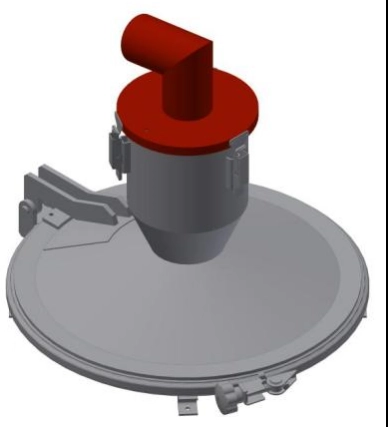
Vibrating sieves can screen a wide range of materials, including powders, granules, liquids, and even sticky substances.
Many vibrating sieves incorporate ultrasonic technology or specialized mesh designs that prevent particles from clogging the screen openings.
Yes, vibrating sieves are designed with fewer moving parts, making them easier to maintain and clean compared to traditional screening methods.
Absolutely! Their compact design allows for easy integration into various production environments without significant modifications.
Industries such as food processing, pharmaceuticals, mining, and chemicals benefit significantly from the efficiency and effectiveness of vibrating sieves.
Hot Tags: China, Global, OEM, private label, manufacturers, factory, suppliers, manufacturing company









 9/F,Hung Tak Building,106-108 Des Voeux Road Central,Hong Kong
 Tel: +852 2363 2511
 Fax: +852 2764 0105
 E-mail: info@ramseierkoatings.com


 .
.


