Content Menu
● Understanding Vibrating Sieves
>> What is a Vibrating Sieve?
>> How Do Vibrating Sieves Work?
● Energy Efficiency Benefits
>> 1. Reduced Energy Consumption
>> 2. Enhanced Operational Efficiency
>> 3. Lower Maintenance Requirements
>> 4. Improved Material Quality
>> 5. Environmental Sustainability
● Applications of Vibrating Sieves
>> Food Processing
>> Pharmaceuticals
>> Chemical Industry
>> Mining and Minerals
>> Recycling
● Future Trends in Vibrating Sieve Technology
>> Integration of Smart Technologies
>> Customization and Modularity
>> Focus on Sustainability
● Conclusion
>> Frequently Asked Questions
In today's industrial landscape, energy efficiency is a critical concern for manufacturers across various sectors. Modern vibrating sieves have emerged as a pivotal technology in material processing, offering significant energy efficiency benefits. This article explores the advantages of these machines, their operational mechanisms, and their impact on productivity and sustainability.
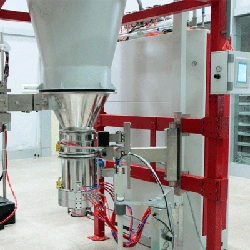
Understanding Vibrating Sieves
What is a Vibrating Sieve?
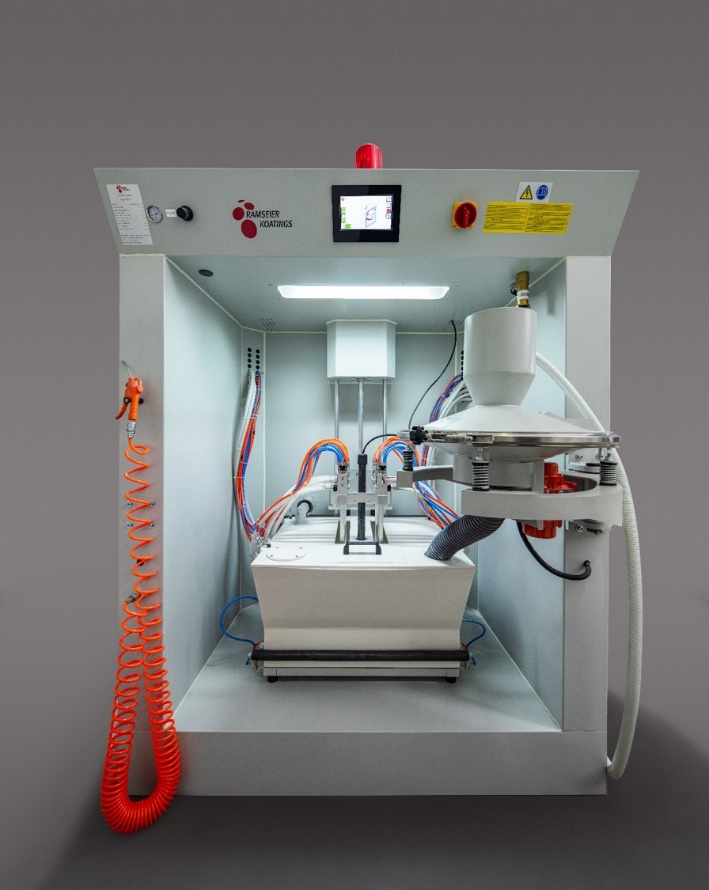
A vibrating sieve is a mechanical device used to separate materials based on size. It employs vibration to facilitate the movement of particles through a mesh screen, allowing smaller particles to pass through while larger ones are retained. This technology is widely used in industries such as food processing, pharmaceuticals, chemicals, and mining.
How Do Vibrating Sieves Work?
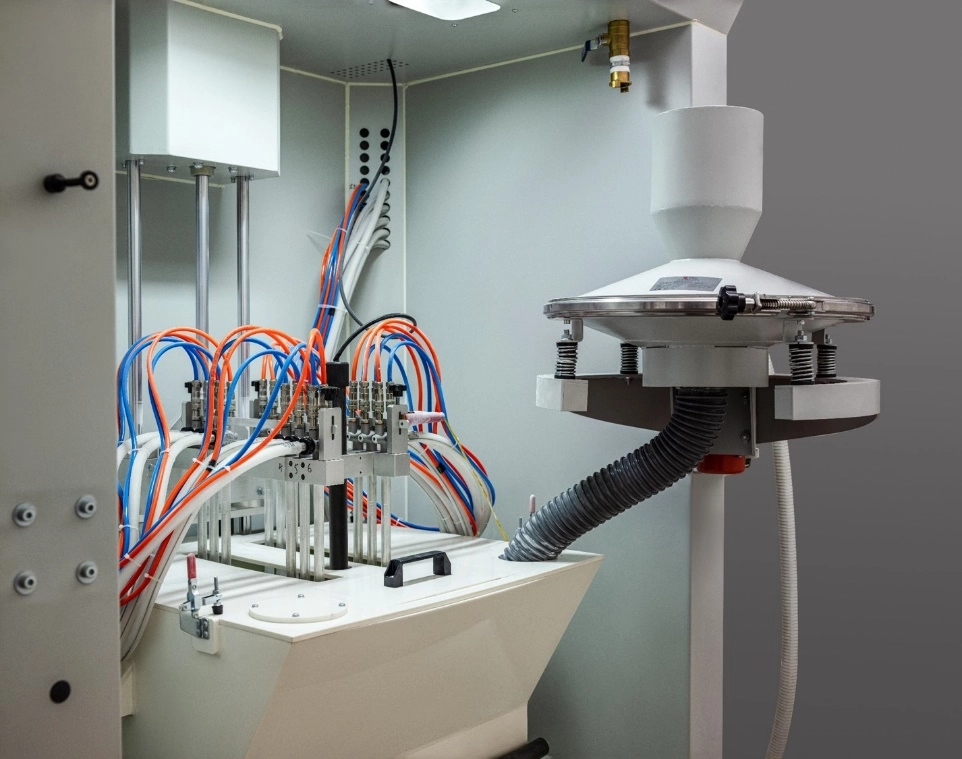
Vibrating sieves operate by generating a controlled vibration that causes the material to move across the screen surface. The vibration can be adjusted in terms of frequency and amplitude, allowing for optimal separation of materials. The design typically includes multiple layers of screens, enabling the classification of materials into different sizes simultaneously.
Energy Efficiency Benefits
1. Reduced Energy Consumption
One of the most significant benefits of modern vibrating sieves is their reduced energy consumption. Traditional screening methods often require more power due to their mechanical complexity and inefficiencies. In contrast, vibrating sieves utilize a simple mechanical structure that requires less energy to operate. This reduction in energy use not only lowers operational costs but also contributes to a smaller carbon footprint.
2. Enhanced Operational Efficiency
Modern vibrating sieves are designed for high throughput, meaning they can process large volumes of material quickly and efficiently. This capability is crucial in industries where time is money. By optimizing the screening process, these machines minimize downtime and increase overall productivity. The continuous operation of vibrating sieves ensures that materials are processed without interruption, further enhancing energy efficiency.
3. Lower Maintenance Requirements
The design of modern vibrating sieves includes fewer moving parts compared to traditional systems. This simplicity translates to lower maintenance requirements, which is a significant advantage for manufacturers. With reduced wear and tear, companies can save on maintenance costs and downtime associated with repairs. This reliability contributes to sustained energy efficiency over the lifespan of the equipment.
4. Improved Material Quality
Vibrating sieves not only enhance energy efficiency but also improve the quality of the materials processed. By effectively separating particles based on size, these machines ensure that only the desired materials pass through. This precision reduces waste and enhances the quality of the final product, which is particularly important in industries such as food and pharmaceuticals where quality standards are stringent.
5. Environmental Sustainability
As industries face increasing pressure to adopt sustainable practices, the energy efficiency of vibrating sieves plays a crucial role. By consuming less energy and generating less waste, these machines contribute to more sustainable manufacturing processes. Additionally, many modern vibrating sieves are designed with eco-friendly materials and technologies, further supporting environmental initiatives.
Applications of Vibrating Sieves
Food Processing
In the food industry, vibrating sieves are used to ensure product quality by removing impurities and ensuring uniform particle size. This application is vital for maintaining safety and compliance with health regulations.
Pharmaceuticals
Pharmaceutical manufacturers rely on vibrating sieves to achieve high purity levels in their products. The ability to separate fine powders and granules effectively is essential for producing safe and effective medications.
Chemical Industry
In the chemical sector, vibrating sieves are employed to screen powdered chemicals, ensuring that only the correct particle sizes are used in production. This efficiency helps reduce material waste and improve product consistency.
Mining and Minerals
Vibrating sieves are crucial in the mining industry for the classification of ores and minerals. They help separate valuable materials from waste, improving the efficiency of resource extraction and processing.
Recycling
In recycling operations, vibrating sieves play a vital role in sorting materials such as plastics and metals. Their energy efficiency contributes to more sustainable recycling processes, reducing the environmental impact of waste management.
Future Trends in Vibrating Sieve Technology
Integration of Smart Technologies
The future of vibrating sieves lies in the integration of smart technologies. Advanced sensors and monitoring systems can provide real-time data on material flow and separation efficiency. This data can be used to optimize operations further, enhancing energy efficiency and productivity.
Customization and Modularity
Modern vibrating sieves are increasingly customizable, allowing manufacturers to tailor the equipment to their specific needs. This modularity ensures that companies can adapt their systems as production requirements change, maintaining energy efficiency over time.
Focus on Sustainability
As sustainability becomes a priority for industries worldwide, the development of energy-efficient vibrating sieves will continue to grow. Manufacturers are focusing on creating machines that not only consume less energy but also utilize recyclable materials in their construction.
Conclusion
Modern vibrating sieves represent a significant advancement in material processing technology, offering numerous energy efficiency benefits. From reduced energy consumption and enhanced operational efficiency to lower maintenance requirements and improved material quality, these machines are essential for manufacturers looking to optimize their processes. As industries continue to prioritize sustainability, the role of vibrating sieves in achieving energy-efficient operations will only become more critical.
Frequently Asked Questions
1. What are the main benefits of using vibrating sieves?
- Vibrating sieves enhance product quality, increase efficiency, reduce downtime, and are versatile for various applications.
2. How do vibrating sieves improve energy efficiency?
- They consume less energy due to their simple mechanical design and high throughput capabilities.
3. In which industries are vibrating sieves commonly used?
- They are widely used in food processing, pharmaceuticals, chemicals, mining, and recycling.
4. What maintenance requirements do modern vibrating sieves have?
- They require less maintenance due to fewer moving parts, leading to lower operational costs.
5. How do vibrating sieves contribute to sustainability?
- By reducing energy consumption and waste, they support more sustainable manufacturing practices.
Hot Tags: China, Global, OEM, private label, manufacturers, factory, suppliers, manufacturing company





 CALL US ANY TIME









 Tel: +852 2363 2511
 Fax: +852 2764 0105
 E-mail:

 .
. 