Content Menu
● Understanding Vibrating Sieves
>> What Are Vibrating Sieves?
>> How Do They Work?
● Benefits of Using Vibrating Sieves
>> 1. Enhanced Productivity
>> 2. Reduced Waste
>> 3. Improved Product Quality
>> 4. Versatility Across Industries
>> 5. Cost Efficiency
● Applications of Vibrating Sieves
>> Food Industry
>> Pharmaceutical Industry
>> Chemical Processing
● Challenges and Solutions
>> Common Challenges
>> Solutions
● Future Trends in Vibrating Sieve Technology
● Conclusion
>> Frequently Asked Questions
In the modern manufacturing landscape, efficiency and waste reduction are paramount. Industries that handle powders, such as food processing, pharmaceuticals, and chemicals, are increasingly turning to advanced technologies to enhance their operations. One such technology is the vibrating sieve, a device that plays a crucial role in improving productivity and minimizing waste. This article explores how vibrating sieves function, their benefits, and their impact on various industries.
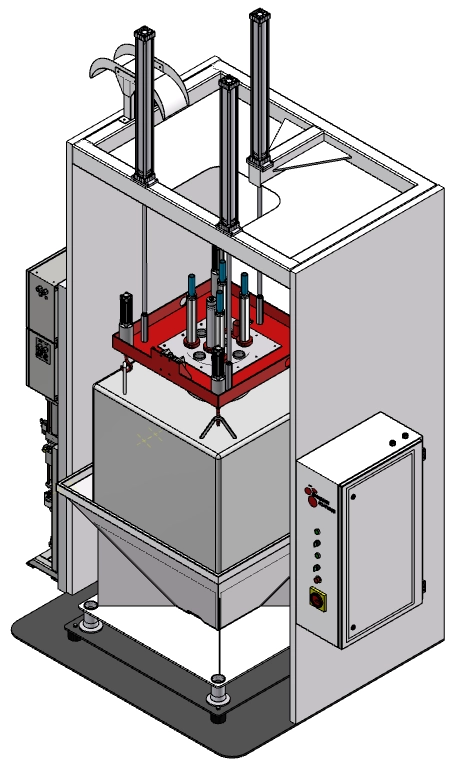
Understanding Vibrating Sieves
What Are Vibrating Sieves?
Vibrating sieves are mechanical devices designed to separate materials based on size and weight. They utilize vibration to move particles through a mesh screen, allowing smaller particles to pass through while larger ones are retained. This process is essential in ensuring the uniformity and quality of powder products.
How Do They Work?
The operation of a vibrating sieve involves several key components:
- Vibration Mechanism: The sieve is equipped with a motor that generates vibrations. These vibrations cause the material to move across the screen.
- Screen Mesh: The mesh size can be adjusted depending on the desired particle size. Different screens can be used for various applications.
- Material Flow: As the material is vibrated, it flows through the screen, allowing for efficient separation of particles.
Benefits of Using Vibrating Sieves
1. Enhanced Productivity
Vibrating sieves significantly increase productivity in powder processing. By automating the sieving process, manufacturers can achieve higher throughput rates compared to manual methods. This automation reduces the time required for separation, allowing for faster production cycles.
2. Reduced Waste
One of the most significant advantages of vibrating sieves is their ability to minimize waste. By ensuring that only the desired particle sizes pass through, manufacturers can optimize raw material usage. This efficiency not only reduces material costs but also contributes to sustainability efforts by lowering the amount of waste generated during production.
3. Improved Product Quality
Vibrating sieves help maintain the quality of the final product. In industries such as food processing and pharmaceuticals, consistency is critical. By removing impurities and ensuring uniform particle size, vibrating sieves enhance the overall quality of the product, leading to higher customer satisfaction.
4. Versatility Across Industries
Vibrating sieves are versatile and can be used in various industries, including:
- Food Processing: Ensuring the purity and consistency of food powders.
- Pharmaceuticals: Maintaining the efficacy of active ingredients by preventing contamination.
- Chemical Processing: Classifying and separating powders to improve product quality.
5. Cost Efficiency
The use of vibrating sieves can lead to significant cost savings. By reducing waste and improving processing speed, manufacturers can lower their operational costs. Additionally, the durability of these machines means lower maintenance and replacement costs over time.
Applications of Vibrating Sieves
Food Industry
In the food industry, vibrating sieves are essential for ensuring the quality of powders such as flour, sugar, and spices. They help remove foreign materials and ensure that the final product meets safety and quality standards.
Pharmaceutical Industry
The pharmaceutical sector relies on vibrating sieves to ensure that active ingredients are properly sized and free from contaminants. This is crucial for maintaining the safety and efficacy of medications.
Chemical Processing
Vibrating sieves are used in chemical processing to separate and classify powders, ensuring that only materials of the desired size are used in production. This helps improve product quality and reduce waste.
Challenges and Solutions
Common Challenges
While vibrating sieves offer numerous benefits, they are not without challenges. Some common issues include:
- Clogging: Fine particles can sometimes clog the mesh, leading to reduced efficiency.
- Wear and Tear: Continuous use can lead to wear on the sieve, requiring regular maintenance.
Solutions
To address these challenges, manufacturers can implement several strategies:
- Regular Maintenance: Routine checks and maintenance can help prevent issues related to wear and clogging.
- Advanced Designs: Investing in modern vibrating sieve designs that incorporate features like self-cleaning mechanisms can enhance efficiency and reduce downtime.
Future Trends in Vibrating Sieve Technology
As industries continue to evolve, so too does the technology behind vibrating sieves. Future trends may include:
- Smart Technology: Integration of IoT devices for real-time monitoring and data analysis to optimize performance.
- Sustainability Focus: Development of more energy-efficient models that reduce environmental impact.
Conclusion
Vibrating sieves are a vital component in the powder processing industry, offering significant improvements in productivity and waste reduction. Their ability to enhance product quality and reduce operational costs makes them an essential investment for manufacturers. As technology continues to advance, the role of vibrating sieves will likely expand, further contributing to efficiency and sustainability in various industries.
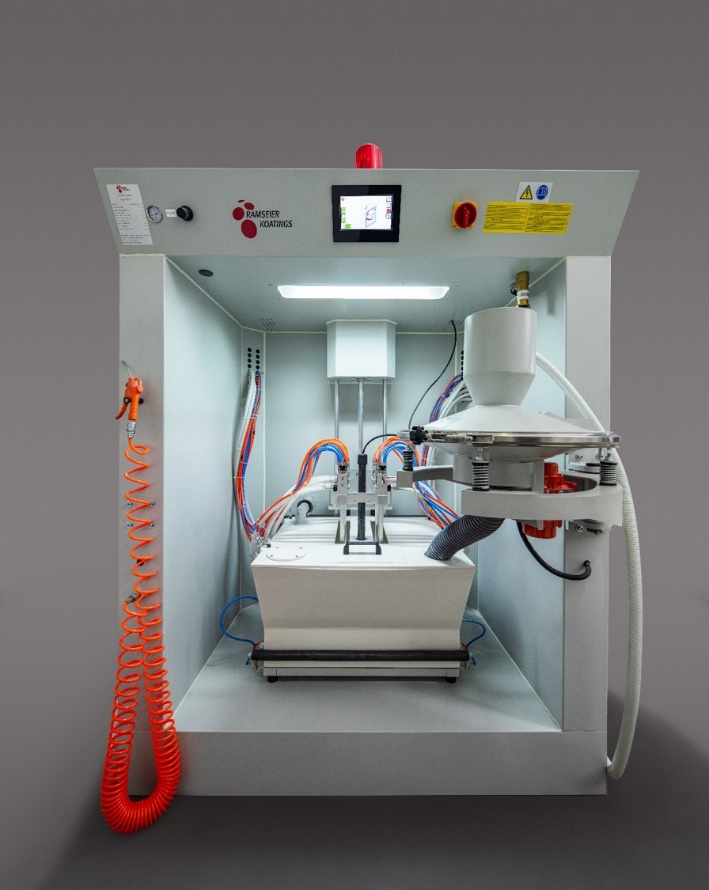
Frequently Asked Questions
1. What types of materials can vibrating sieves process?
- Vibrating sieves can process a wide range of materials, including powders, granules, and liquids.
2. How do vibrating sieves improve product quality?
- They ensure uniform particle size and remove impurities, leading to a consistent and high-quality final product.
3. What industries benefit from using vibrating sieves?
- Industries such as food processing, pharmaceuticals, and chemicals benefit significantly from vibrating sieve technology.
4. Are vibrating sieves easy to maintain?
- Yes, with regular maintenance and the use of advanced designs, vibrating sieves can operate efficiently with minimal downtime.
5. What is the future of vibrating sieve technology?
- Future trends include the integration of smart technology for monitoring and a focus on sustainability to reduce environmental impact.
Hot Tags: China, Global, OEM, private label, manufacturers, factory, suppliers, manufacturing company





 CALL US ANY TIME









 Tel: +852 2363 2511
 Fax: +852 2764 0105
 E-mail:

 .
. 