Content Menu
● Understanding Vibrating Sieves
>> What is a Vibrating Sieve?
>> Applications of Vibrating Sieves
● Common Issues with Vibrating Sieves
>> 1. Poor Screening Efficiency
>>> Causes
>>> Solutions
>> 2. Excessive Vibration
>>> Causes
>>> Solutions
>> 3. Noise Issues
>>> Causes
>>> Solutions
>> 4. Material Leakage
>>> Causes
>>> Solutions
>> 5. Overheating
>>> Causes
>>> Solutions
● Maintenance Tips for Vibrating Sieves
>> Regular Inspections
>> Cleaning Procedures
>> Lubrication
>> Training Operators
● Conclusion
>> Frequently Asked Questions
Vibrating sieves are essential equipment in various industries, including food processing, pharmaceuticals, and chemical manufacturing. They are designed to separate materials based on size, ensuring that only the desired particle sizes pass through. However, like any machinery, vibrating sieves can encounter issues that affect their performance. This article will guide you through common problems associated with vibrating sieves for powder and provide troubleshooting tips to resolve these issues effectively.
Understanding Vibrating Sieves
What is a Vibrating Sieve?
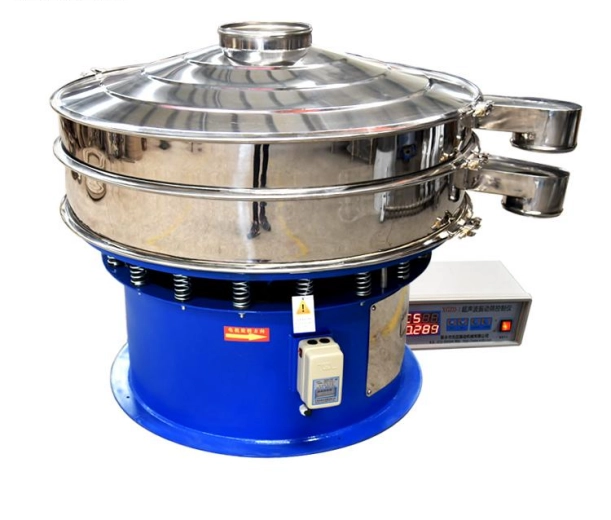
A vibrating sieve is a mechanical device that uses vibration to separate materials. It consists of a screen or mesh that allows smaller particles to pass through while retaining larger ones. The vibration is generated by a motor, which creates a circular or linear motion, facilitating the movement of materials across the screen.
Applications of Vibrating Sieves
Vibrating sieves are widely used in various applications, including:
- Food Industry: For sifting flour, sugar, and other powders to ensure uniformity and quality.
- Pharmaceuticals: To separate active ingredients from fillers and ensure consistent dosages.
- Chemical Manufacturing: For sorting and classifying powders and granules.
Common Issues with Vibrating Sieves
Despite their robust design, vibrating sieves can experience several issues that may hinder their performance. Below are some of the most common problems and their potential solutions.
1. Poor Screening Efficiency
Causes
- Clogged Screens: Over time, screens can become clogged with material, reducing their effectiveness.
- Incorrect Screen Size: Using the wrong mesh size can lead to poor separation of particles.
- Material Characteristics: The properties of the powder, such as moisture content and particle shape, can affect screening efficiency.
Solutions
- Regular Cleaning: Ensure that screens are cleaned regularly to prevent clogging. Use brushes or air jets to remove any buildup.
- Select Appropriate Mesh Size: Choose the right mesh size based on the particle size distribution of the material being processed.
- Adjust Operating Conditions: Modify the vibration frequency and amplitude to optimize the separation process for the specific material.
2. Excessive Vibration
Causes
- Imbalance in the System: An uneven distribution of weight can cause excessive vibration.
- Worn Out Components: Components such as springs and mounts may wear out, leading to increased vibration levels.
Solutions
- Balance the Load: Ensure that the load is evenly distributed across the sieve. Adjust the placement of materials if necessary.
- Inspect and Replace Worn Parts: Regularly check springs, mounts, and other components for wear and replace them as needed.
3. Noise Issues
Causes
- Loose Components: Loose bolts or fittings can create noise during operation.
- Improper Installation: If the sieve is not installed correctly, it may vibrate excessively, leading to noise.
Solutions
- Tighten All Fasteners: Regularly inspect and tighten all bolts and fittings to minimize noise.
- Check Installation: Ensure that the sieve is installed according to the manufacturer's specifications to reduce vibration and noise.
4. Material Leakage
Causes
- Damaged Seals: Worn or damaged seals can lead to material leakage.
- Improperly Fitted Screens: If screens are not fitted correctly, they may allow material to escape.
Solutions
- Inspect Seals Regularly: Check seals for wear and replace them if necessary to prevent leakage.
- Ensure Proper Screen Fitting: Make sure that screens are fitted securely and that there are no gaps where material can escape.
5. Overheating
Causes
- Excessive Load: Overloading the sieve can cause it to overheat.
- Insufficient Lubrication: Lack of lubrication in moving parts can lead to increased friction and heat.
Solutions
- Monitor Load Levels: Ensure that the sieve is not overloaded beyond its capacity.
- Regular Lubrication: Maintain a regular lubrication schedule for all moving parts to reduce friction and prevent overheating.
Maintenance Tips for Vibrating Sieves
To ensure the longevity and efficiency of vibrating sieves, regular maintenance is crucial. Here are some maintenance tips:
Regular Inspections
Conduct regular inspections of the sieve to identify any signs of wear or damage. Check components such as screens, springs, and motors for any issues.
Cleaning Procedures
Implement a cleaning schedule to remove any buildup of materials on the screens. This will help maintain screening efficiency and prevent contamination.
Lubrication
Ensure that all moving parts are adequately lubricated to reduce friction and wear. Follow the manufacturer's recommendations for lubrication intervals and types of lubricants.
Training Operators
Train operators on the proper use and maintenance of vibrating sieves. This will help them identify potential issues early and ensure that the equipment is used correctly.
Conclusion
Vibrating sieves are vital for many industries, but they can encounter various issues that affect their performance. By understanding common problems and implementing effective troubleshooting strategies, operators can maintain the efficiency and longevity of their vibrating sieves. Regular maintenance, inspections, and operator training are essential components of a successful vibrating sieve operation.
Frequently Asked Questions
1. What is the best way to clean a vibrating sieve?
- Use brushes or air jets to remove material buildup, and ensure that the sieve is disassembled for thorough cleaning when necessary.
2. How often should I inspect my vibrating sieve?
- Inspections should be conducted regularly, ideally before and after each shift, to catch any potential issues early.
3. What should I do if my sieve is vibrating excessively?
- Check for an imbalance in the load and inspect components for wear. Adjust the load distribution and replace worn parts as needed.
4. Can I use a vibrating sieve for different materials?
- Yes, but ensure that the mesh size and operating conditions are appropriate for each material to maintain efficiency.
5. What are the signs of a worn-out screen?
- Look for visible damage, such as tears or holes, and monitor for decreased screening efficiency.
Hot Tags: China, Global, OEM, private label, manufacturers, factory, suppliers, manufacturing company





 CALL US ANY TIME









 Tel: +852 2363 2511
 Fax: +852 2764 0105
 E-mail:

 .
. 