Content Menu
● Understanding Vibrating Sieves
>> What is a Vibrating Sieve?
>> How Does a Vibrating Sieve Work?
● Key Factors to Consider When Buying a Vibrating Sieve
>> 1. Material Compatibility
>>> Types of Materials
>>> Corrosive vs. Non-Corrosive
>> 2. Mesh Size and Configuration
>>> Determining Mesh Size
>>> Multi-Deck Configurations
>> 3. Vibration Frequency and Amplitude
>>> Importance of Vibration
>>> Adjustable Settings
>> 4. Throughput Capacity
>>> Assessing Your Needs
>>> Size of the Sieve
>> 5. Ease of Cleaning and Maintenance
>>> Importance of Cleanliness
>>> Maintenance Requirements
>> 6. Anti-Blinding Features
>>> Preventing Clogging
>> 7. Cost and Budget
>>> Evaluating Your Budget
>>> Return on Investment
>> 8. Supplier Reputation and Support
>>> Researching Suppliers
>>> After-Sales Support
● Conclusion
>> Frequently Asked Questions
When it comes to processing powder materials, a vibrating sieve is an essential piece of equipment. It helps in separating particles based on size, ensuring that the final product meets quality standards. However, with numerous options available in the market, selecting the right vibrating sieve can be challenging. This article will guide you through the key factors to consider when purchasing a vibrating sieve for powder materials.
Understanding Vibrating Sieves
What is a Vibrating Sieve?
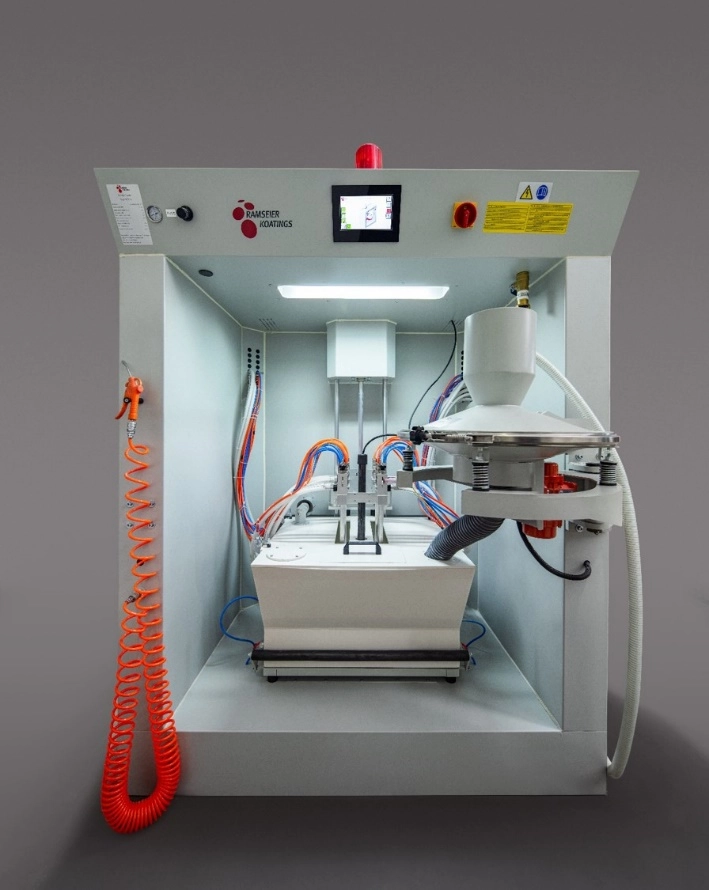
A vibrating sieve is a mechanical device that uses vibration to separate materials based on their size. It consists of a screen or mesh that allows smaller particles to pass through while retaining larger ones. This process is crucial in various industries, including food processing, pharmaceuticals, and chemicals, where purity and consistency are paramount.
How Does a Vibrating Sieve Work?
The operation of a vibrating sieve is relatively straightforward. The material is fed onto the screen, which vibrates at a specific frequency. This vibration causes the particles to move across the screen, allowing smaller particles to fall through the mesh while larger particles remain on top. The efficiency of this process depends on several factors, including the design of the sieve, the vibration frequency, and the characteristics of the material being processed.
Key Factors to Consider When Buying a Vibrating Sieve
1. Material Compatibility
Types of Materials
The first consideration when selecting a vibrating sieve is the type of material you will be processing. Different materials have varying properties, such as density, moisture content, and particle size. For instance, food-grade materials require sieves made from stainless steel to prevent contamination, while corrosive materials may need specialized coatings or materials.
Corrosive vs. Non-Corrosive
If you are dealing with corrosive substances, opt for sieves made from materials like titanium or specialized plastics. For non-corrosive materials, carbon steel may suffice. Always ensure that the sieve material is compatible with the substances you intend to process.
2. Mesh Size and Configuration
Determining Mesh Size
The mesh size is critical in determining the effectiveness of the sieve. It is essential to choose a mesh size that corresponds to the particle size of the material being processed. For example, if you need to separate fine powders, a mesh size of 200 or more may be necessary. Conversely, for coarser materials, a larger mesh size will be appropriate.
Multi-Deck Configurations
Consider whether a single-deck or multi-deck configuration is more suitable for your needs. Multi-deck sieves allow for the separation of multiple particle sizes simultaneously, increasing efficiency and throughput.
3. Vibration Frequency and Amplitude
Importance of Vibration
The vibration frequency and amplitude play a significant role in the performance of a vibrating sieve. Higher frequencies can lead to faster processing times, but they may also cause damage to delicate materials. Conversely, lower frequencies are gentler but may slow down the separation process.
Adjustable Settings
Look for sieves with adjustable vibration settings. This feature allows you to fine-tune the vibration according to the specific characteristics of the material being processed, ensuring optimal performance.
4. Throughput Capacity
Assessing Your Needs
Throughput capacity refers to the amount of material that can be processed in a given time frame. When selecting a vibrating sieve, consider your production requirements. A sieve with a higher throughput capacity will be necessary for larger operations, while smaller operations may not require such high capacity.
Size of the Sieve
The physical size of the sieve also impacts its throughput capacity. Larger sieves can handle more material at once, but they may require more space in your facility. Ensure that you have adequate space for the sieve you choose.
5. Ease of Cleaning and Maintenance
Importance of Cleanliness
In industries such as food processing and pharmaceuticals, cleanliness is crucial. Choose a vibrating sieve that is easy to clean and maintain. Features such as removable screens and smooth surfaces can facilitate quick cleaning, reducing downtime.
Maintenance Requirements
Consider the maintenance requirements of the sieve. Some models may require more frequent maintenance than others. Opt for a sieve that offers durability and requires minimal upkeep to ensure long-term efficiency.
6. Anti-Blinding Features
Preventing Clogging
One common issue with vibrating sieves is blinding, where particles clog the mesh, reducing efficiency. Look for sieves equipped with anti-blinding features such as bouncing balls or ultrasonic cleaning systems. These features help maintain consistent performance by preventing material buildup on the screen.
7. Cost and Budget
Evaluating Your Budget
Cost is always a consideration when purchasing equipment. While it may be tempting to choose the cheapest option, it is essential to evaluate the long-term value of the sieve. Consider factors such as durability, maintenance costs, and efficiency when making your decision.
Return on Investment
Investing in a high-quality vibrating sieve can lead to increased productivity and reduced operational costs in the long run. Assess the potential return on investment (ROI) based on your production needs and the expected lifespan of the equipment.
8. Supplier Reputation and Support
Researching Suppliers
Before making a purchase, research potential suppliers. Look for companies with a solid reputation in the industry and positive customer reviews. A reliable supplier will provide not only quality equipment but also excellent customer support.
After-Sales Support
Consider the level of after-sales support offered by the supplier. This includes warranty options, availability of spare parts, and technical support. A supplier that stands behind their product will ensure that you have assistance when needed.
Conclusion
Choosing the right vibrating sieve for powder materials is a critical decision that can impact your production efficiency and product quality. By considering factors such as material compatibility, mesh size, vibration settings, throughput capacity, and supplier reputation, you can make an informed choice that meets your specific needs. Investing in a high-quality vibrating sieve will enhance your processing capabilities and contribute to the overall success of your operations.
Frequently Asked Questions
1. What is the best material for a vibrating sieve?
- The best material depends on the substances being processed. Stainless steel is ideal for food-grade applications, while specialized plastics or titanium may be necessary for corrosive materials.
2. How do I determine the right mesh size for my sieve?
- The mesh size should correspond to the particle size of the material. For fine powders, a mesh size of 200 or higher is recommended, while coarser materials require larger mesh sizes.
3. What are anti-blinding features, and why are they important?
- Anti-blinding features prevent clogging of the mesh, ensuring consistent performance. They include bouncing balls and ultrasonic cleaning systems.
4. How can I ensure my vibrating sieve is easy to clean?
- Look for sieves with removable screens and smooth surfaces that facilitate quick cleaning and maintenance.
5. What should I consider regarding the supplier of the vibrating sieve?
- Research the supplier's reputation, customer reviews, and the level of after-sales support they offer, including warranty options and technical assistance.
Hot Tags: China, Global, OEM, private label, manufacturers, factory, suppliers, manufacturing company





 CALL US ANY TIME









 Tel: +852 2363 2511
 Fax: +852 2764 0105
 E-mail:

 .
. 