Content Menu
● Understanding Powder Supply Systems
>> What Are Powder Supply Systems?
>> Importance of Automation in Powder Supply
● Key Benefits of Automation in Powder Supply Systems
>> Increased Productivity
>> Enhanced Quality Control
>> Cost Reduction
>> Improved Safety and Compliance
● Implementing Automation in Powder Supply Systems
>> Assessing Your Needs
>> Choosing the Right Technology
>> Integration with Existing Systems
● Challenges of Automation in Powder Supply Systems
>> Initial Investment
>> Technical Complexity
>> Resistance to Change
● Future Trends in Powder Supply Automation
>> Artificial Intelligence and Machine Learning
>> Internet of Things (IoT)
>> Sustainability
● Conclusion
● Frequently Asked Questions
>> 1. What types of industries benefit from automated powder supply systems?
>> 2. How does automation improve safety in powder handling?
>> 3. What are the initial costs associated with implementing automation?
>> 4. Can existing systems be integrated with new automated technologies?
>> 5. What future trends should companies watch in powder supply automation?
Automation has become a cornerstone of modern manufacturing, particularly in industries that rely heavily on powder supply systems. These systems are crucial for various applications, including pharmaceuticals, food production, and chemical processing. By integrating automation into powder supply systems, companies can enhance efficiency, improve product quality, and reduce operational costs. This article explores the multifaceted benefits of automation in powder supply systems, detailing how it transforms operations and addresses common challenges.
Understanding Powder Supply Systems
What Are Powder Supply Systems?
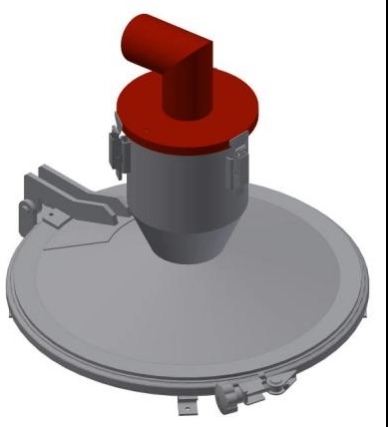
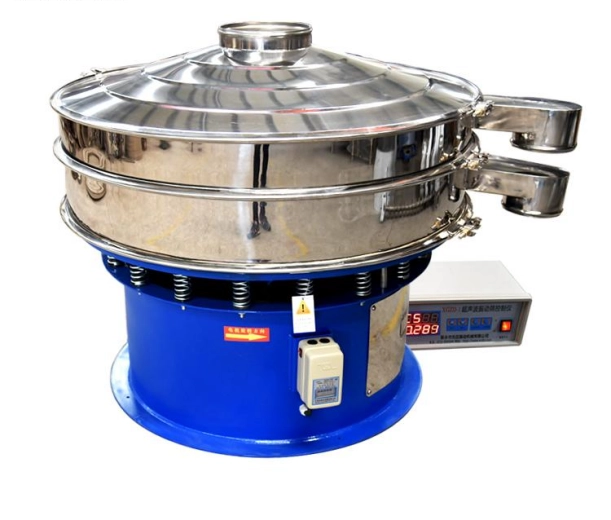
Powder supply systems are designed to handle, transport, and process powdered materials. These systems typically include components such as hoppers, conveyors, feeders, and mixing equipment. The primary goal of a powder supply system is to ensure a consistent and reliable flow of materials to production processes.
Importance of Automation in Powder Supply
The integration of automation in powder supply systems is essential for several reasons:
- Efficiency: Automated systems can operate continuously without the need for breaks, significantly increasing throughput.
- Precision: Automation ensures accurate measurements and consistent quality, reducing variability in production.
- Safety: By minimizing human intervention, automation reduces the risk of accidents and exposure to hazardous materials.
Key Benefits of Automation in Powder Supply Systems
Increased Productivity
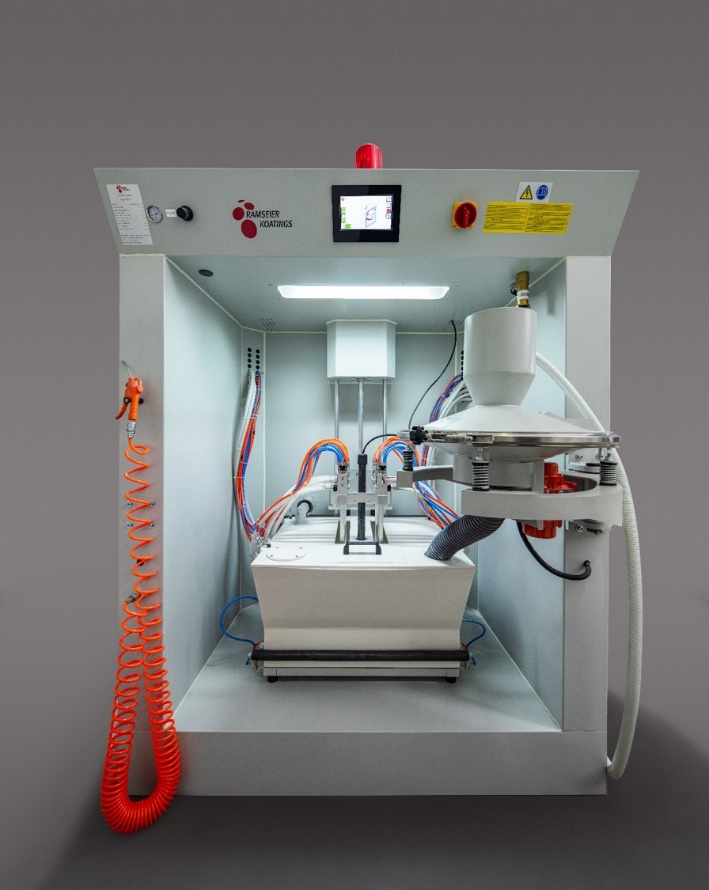
One of the most significant advantages of automation is the increase in productivity. Automated powder supply systems can operate at higher speeds and with greater accuracy than manual systems. For instance, automated feeders can adjust the flow rate of powders in real-time, ensuring that production lines are always supplied with the necessary materials. This capability minimizes downtime and maximizes output.
Enhanced Quality Control
Automation enhances quality control by implementing consistent monitoring and adjustments throughout the production process. Automated systems can track critical parameters such as flow rates, particle size distribution, and moisture content. This data allows for immediate corrections, ensuring that the final product meets quality standards. Additionally, automated systems can perform regular maintenance checks, reducing the likelihood of equipment failure and ensuring consistent operation.
Cost Reduction
While the initial investment in automation may be significant, the long-term cost savings can be substantial. Automated systems reduce labor costs by minimizing the need for manual handling and supervision. Furthermore, they optimize material usage, reducing waste and ensuring that powders are used efficiently. For example, advanced powder coating systems can reclaim over 95% of unused powder, significantly lowering material costs.
Improved Safety and Compliance
Automated powder supply systems enhance workplace safety by reducing human exposure to hazardous materials. Automation can also help companies comply with regulatory standards by maintaining accurate records of material handling and processing. This capability is particularly important in industries such as pharmaceuticals, where compliance with Good Manufacturing Practices (GMP) is critical.
Implementing Automation in Powder Supply Systems
Assessing Your Needs
Before implementing automation, it is essential to assess your specific needs and challenges. Consider factors such as:
- The types of powders being handled
- The scale of production
- Existing equipment and infrastructure
Choosing the Right Technology
Selecting the appropriate technology is crucial for successful automation. Options may include:
- Automated feeders: These devices control the flow of powders into production processes.
- Conveyors: Automated conveyors transport powders between different stages of production.
- Mixers: Automated mixing systems ensure uniformity in powder blends.
Integration with Existing Systems
Integrating new automated systems with existing infrastructure can be challenging. It is essential to ensure compatibility and to train staff on new technologies. A phased approach to implementation can help ease the transition and minimize disruptions.
Challenges of Automation in Powder Supply Systems
Initial Investment
The upfront costs associated with automation can be a barrier for some companies. However, it is essential to view automation as a long-term investment that can yield significant returns through increased efficiency and reduced operational costs.
Technical Complexity
Automated systems can be complex and may require specialized knowledge for operation and maintenance. Companies must invest in training their workforce to ensure they can effectively manage and troubleshoot automated systems.
Resistance to Change
Employees may resist the transition to automated systems due to fears of job loss or the need to learn new skills. It is crucial to communicate the benefits of automation and involve staff in the transition process to foster a positive attitude toward change.
Future Trends in Powder Supply Automation
Artificial Intelligence and Machine Learning
The integration of artificial intelligence (AI) and machine learning into powder supply systems is set to revolutionize the industry. These technologies can analyze vast amounts of data to optimize processes, predict maintenance needs, and enhance decision-making.
Internet of Things (IoT)
The IoT enables real-time monitoring and control of powder supply systems. Sensors can provide data on equipment performance, material flow, and environmental conditions, allowing for proactive adjustments and maintenance.
Sustainability
As industries increasingly focus on sustainability, automated powder supply systems can contribute by optimizing resource use and reducing waste. Technologies that reclaim and recycle materials will become more prevalent, aligning with global sustainability goals.
Conclusion
Automation in powder supply systems offers numerous benefits, including increased productivity, enhanced quality control, cost reduction, and improved safety. While challenges exist, the long-term advantages of automation make it a worthwhile investment for companies looking to stay competitive in today's fast-paced manufacturing environment. As technology continues to evolve, the future of powder supply systems will likely be shaped by advancements in AI, IoT, and sustainability practices.
Frequently Asked Questions
1. What types of industries benefit from automated powder supply systems?
Automated powder supply systems are beneficial in various industries, including pharmaceuticals, food production, chemicals, and plastics.
2. How does automation improve safety in powder handling?
Automation reduces human exposure to hazardous materials and minimizes the risk of accidents by controlling processes with precision.
3. What are the initial costs associated with implementing automation?
Initial costs can vary widely depending on the complexity of the system and the technology chosen. However, companies should consider the long-term savings and efficiency gains.
4. Can existing systems be integrated with new automated technologies?
Yes, many automated systems are designed to be compatible with existing infrastructure, although careful planning and assessment are necessary.
5. What future trends should companies watch in powder supply automation?
Companies should pay attention to advancements in AI, IoT, and sustainability practices, as these will shape the future of powder supply systems.
Hot Tags: China, Global, OEM, private label, manufacturers, factory, suppliers, manufacturing company





 CALL US ANY TIME









 Tel: +852 2363 2511
 Fax: +852 2764 0105
 E-mail:

 .
. 