Content Menu
● What is a Vibrating Sieve?
● How Do Vibrating Sieves Work?
>> Basic Working Principle
>> Vibration Mechanism
>> Material Flow
● Components of a Vibrating Sieve
>> 1. Screen Mesh
>> 2. Frame
>> 3. Vibration Motor
>> 4. Springs
>> 5. Discharge Chute
● Types of Vibrating Sieves
>> 1. Linear Vibrating Sieves
>> 2. Circular Vibrating Sieves
>> 3. Ultrasonic Vibrating Sieves
>> 4. Gyratory Vibrating Sieves
● Applications of Vibrating Sieves
>> 1. Food Processing
>> 2. Pharmaceuticals
>> 3. Chemical Processing
>> 4. Mining and Aggregates
>> 5. Recycling
● Maintenance of Vibrating Sieves
>> 1. Regular Inspection
>> 2. Cleaning
>> 3. Lubrication
>> 4. Adjusting Vibration Settings
>> 5. Training Operators
● Conclusion
>> Frequently Asked Questions
Vibrating sieves are essential tools in various industries, particularly in the processing of powders. They are used to separate materials based on size, ensuring that the final product meets specific quality standards. This article delves into the working principles of vibrating sieves, their components, types, applications, and maintenance practices.
What is a Vibrating Sieve?
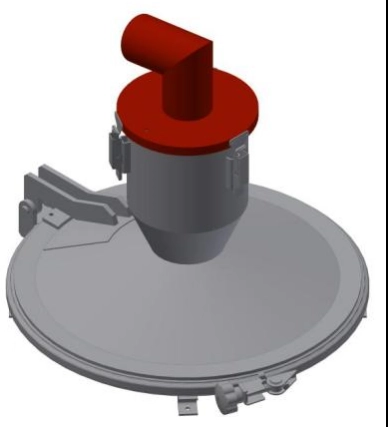
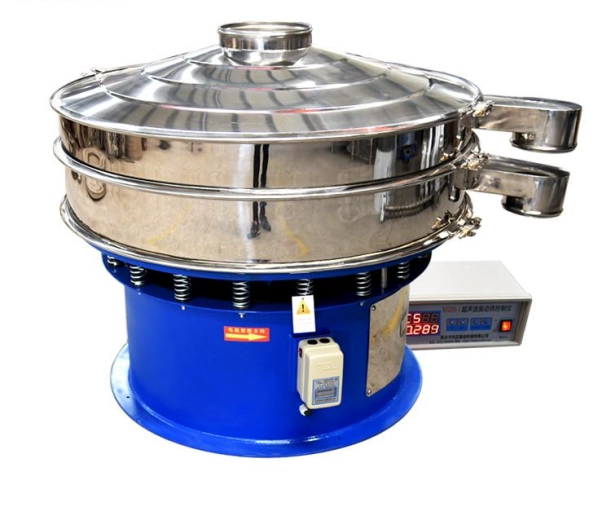
A vibrating sieve, also known as a vibrating screen or shaker, is a mechanical device that uses vibration to separate materials. It is commonly used in industries such as food processing, pharmaceuticals, chemicals, and mining. The primary function of a vibrating sieve is to classify materials by size, allowing for the efficient separation of fine powders from larger particles.
How Do Vibrating Sieves Work?
Basic Working Principle
The fundamental principle behind vibrating sieves is the use of mechanical vibration to induce movement in the material being processed. When the sieve is activated, it generates a series of vibrations that cause the material to move across the screen surface. The design of the sieve allows smaller particles to pass through the mesh while larger particles are retained.
Vibration Mechanism
The vibration in a sieve is typically generated by an electric motor connected to an eccentric weight. As the motor rotates, the eccentric weight creates an unbalanced force that causes the sieve to vibrate. The frequency and amplitude of the vibrations can be adjusted to optimize the separation process for different materials.
Material Flow
As the vibrating sieve operates, the material flows from the feed end to the discharge end. The design of the sieve, including the angle of inclination and the mesh size, influences the flow rate and separation efficiency. The smaller particles are able to pass through the mesh, while larger particles are conveyed to the discharge end for further processing.
Components of a Vibrating Sieve
Understanding the components of a vibrating sieve is crucial for comprehending its operation. The main components include:
1. Screen Mesh
The screen mesh is the surface through which the material is separated. It is made from various materials, including stainless steel, nylon, or polyester, depending on the application. The mesh size is critical, as it determines the particle size that can pass through.
2. Frame
The frame provides structural support for the sieve. It is designed to withstand the vibrations generated during operation and is typically made from robust materials such as steel or aluminum.
3. Vibration Motor
The vibration motor is the heart of the vibrating sieve. It generates the necessary vibrations to facilitate the separation process. The motor's speed and amplitude can be adjusted to suit different materials and processing requirements.
4. Springs
Springs are used to isolate the vibrations of the sieve from the surrounding environment. They help to maintain the stability of the sieve during operation and reduce noise levels.
5. Discharge Chute
The discharge chute is where the separated materials exit the sieve. It is designed to direct the flow of materials to the next stage of processing or packaging.
Types of Vibrating Sieves
Vibrating sieves come in various types, each designed for specific applications. The most common types include:
1. Linear Vibrating Sieves
Linear vibrating sieves operate on a linear motion, allowing for efficient separation of materials. They are ideal for applications requiring high throughput and are commonly used in the food and chemical industries.
2. Circular Vibrating Sieves
Circular vibrating sieves use a circular motion to separate materials. This type is effective for screening larger particles and is often used in mining and aggregate industries.
3. Ultrasonic Vibrating Sieves
Ultrasonic vibrating sieves incorporate ultrasonic technology to enhance the separation process. They are particularly useful for fine powders that tend to clump together, ensuring a more efficient screening process.
4. Gyratory Vibrating Sieves
Gyratory vibrating sieves combine circular and linear motion to achieve optimal separation. They are versatile and can be used in various industries, including pharmaceuticals and food processing.
Applications of Vibrating Sieves
Vibrating sieves are used in a wide range of applications across different industries. Some of the most common applications include:
1. Food Processing
In the food industry, vibrating sieves are used to separate flour, sugar, and other powdered ingredients. They ensure that the final product is free from contaminants and meets quality standards.
2. Pharmaceuticals
Pharmaceutical companies use vibrating sieves to screen active ingredients and excipients. This ensures uniformity in tablet production and helps maintain product quality.
3. Chemical Processing
In chemical processing, vibrating sieves are used to separate powders and granules. They help in the production of consistent particle sizes, which is crucial for chemical reactions.
4. Mining and Aggregates
Vibrating sieves are essential in the mining industry for separating minerals and aggregates. They help in the efficient processing of raw materials, ensuring that only the desired sizes are extracted.
5. Recycling
In recycling operations, vibrating sieves are used to separate recyclable materials from waste. They play a vital role in the sorting process, enhancing the efficiency of recycling efforts.
Maintenance of Vibrating Sieves
Proper maintenance of vibrating sieves is essential to ensure their longevity and optimal performance. Here are some key maintenance practices:
1. Regular Inspection
Regular inspections should be conducted to check for wear and tear on the screen mesh, frame, and other components. Any signs of damage should be addressed promptly to prevent further issues.
2. Cleaning
Keeping the sieve clean is crucial for maintaining product quality. Regular cleaning prevents contamination and ensures that the mesh remains free from blockages.
3. Lubrication
The vibration motor and other moving parts should be lubricated regularly to reduce friction and wear. This helps to extend the lifespan of the equipment.
4. Adjusting Vibration Settings
The vibration settings should be adjusted based on the material being processed. Regularly reviewing and optimizing these settings can enhance the efficiency of the separation process.
5. Training Operators
Training operators on the proper use and maintenance of vibrating sieves is essential. Well-trained personnel can identify potential issues early and ensure that the equipment operates efficiently.
Conclusion
Vibrating sieves are vital tools in the processing of powders across various industries. Understanding their working principles, components, types, applications, and maintenance practices is essential for optimizing their performance. By ensuring proper operation and maintenance, businesses can enhance product quality and efficiency in their processes.
Frequently Asked Questions
1. What materials can be processed using vibrating sieves?
Vibrating sieves can process a wide range of materials, including powders, granules, and liquids. They are commonly used in food, pharmaceuticals, chemicals, and mining industries.
2. How do I choose the right mesh size for my application?
The right mesh size depends on the particle size of the material you are processing. Smaller particles require finer mesh, while larger particles can be screened with coarser mesh.
3. What maintenance is required for vibrating sieves?
Regular inspections, cleaning, lubrication of moving parts, and adjustments to vibration settings are essential for maintaining vibrating sieves.
4. Can vibrating sieves be used for wet materials?
Yes, vibrating sieves can be used for wet materials, but it is important to select the appropriate mesh size and vibration settings to prevent clogging.
5. What industries commonly use vibrating sieves?
Vibrating sieves are widely used in food processing, pharmaceuticals, chemical processing, mining, and recycling industries.
Hot Tags: China, Global, OEM, private label, manufacturers, factory, suppliers, manufacturing company





 CALL US ANY TIME









 Tel: +852 2363 2511
 Fax: +852 2764 0105
 E-mail:

 .
. 