Content Menu
● Introduction
● What is Powder Coating?
● Benefits of Powder Coating
>> Durability
>> Environmental Impact
>> Cost-Effectiveness
● Components of an Automated Powder Coating System
>> 1. Pre-Treatment System
>> 2. Powder Application Equipment
>> 3. Curing Oven
>> 4. Cooling and Handling Systems
>> 5. Quality Control Systems
● Designing the Integrated System
>> Assessing Requirements
>> Layout Design
>> Automation and Control Systems
>> Maintenance and Support
● Implementation Strategies
>> Pilot Testing
>> Scaling Up
>> Training and Development
● Future Trends in Powder Coating Technology
>> Advancements in Coating Materials
>> Integration with Industry 4.0
>> Customization and Flexibility
● Conclusion
● Questions and Answers
Introduction
In the modern manufacturing landscape, efficiency and quality are paramount. One of the most effective ways to achieve these goals in surface finishing is through powder coating. This article explores the design of a fully integrated automated powder coating solution, detailing its components, benefits, and implementation strategies.
What is Powder Coating?
Powder coating is a dry finishing process that uses finely ground particles of pigment and resin, which are electrostatically charged and sprayed onto a surface. The coated object is then heated in an oven, where the powder melts and forms a durable, protective layer. This method is widely used in various industries, including automotive, appliances, and furniture, due to its superior finish and environmental benefits.
Benefits of Powder Coating
Durability
Powder coating provides a tough, protective layer that is resistant to chipping, scratching, fading, and wearing. This durability makes it ideal for both indoor and outdoor applications.
Environmental Impact
Unlike traditional liquid coatings, powder coatings contain no solvents and release negligible volatile organic compounds (VOCs) into the atmosphere. This makes them a more environmentally friendly option.
Cost-Effectiveness
While the initial investment in powder coating equipment may be higher than traditional methods, the long-term savings in material usage, labor, and maintenance make it a cost-effective solution.
Components of an Automated Powder Coating System
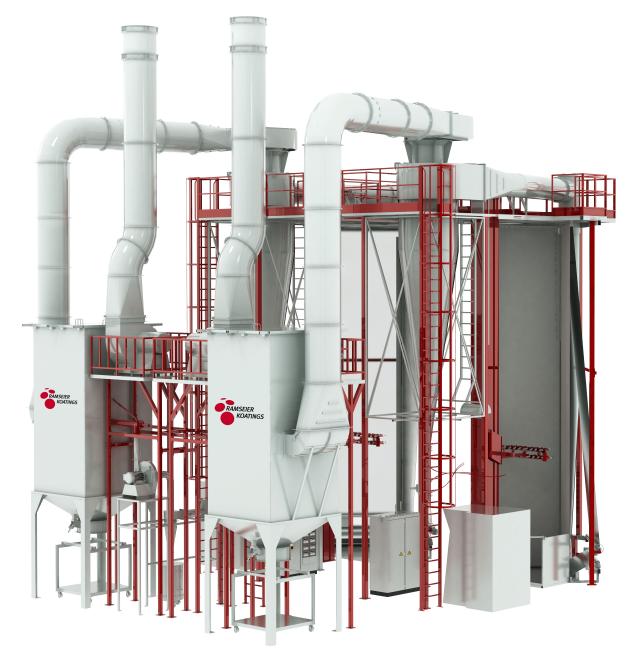
Designing a fully integrated automated powder coating solution involves several key components:
1. Pre-Treatment System
Before powder coating, surfaces must be properly prepared to ensure adhesion. A pre-treatment system typically includes:
- Cleaning Stations: These remove oils, dirt, and other contaminants.
- Phosphate Coating: This process enhances corrosion resistance and improves paint adhesion.
- Rinsing Stations: To remove any residual chemicals from the surface.
2. Powder Application Equipment
The heart of the powder coating process is the application equipment, which includes:
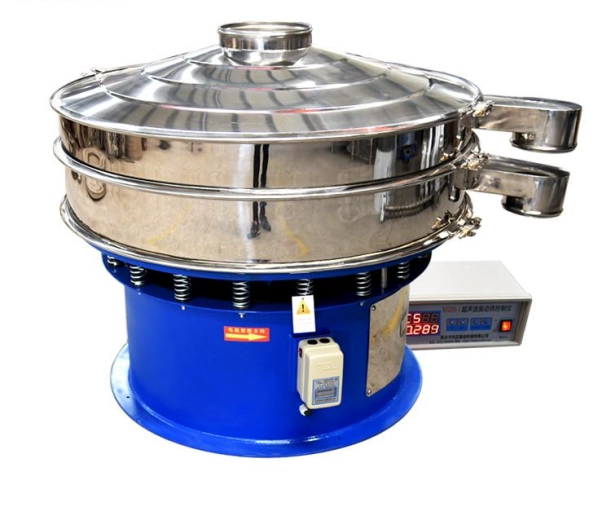
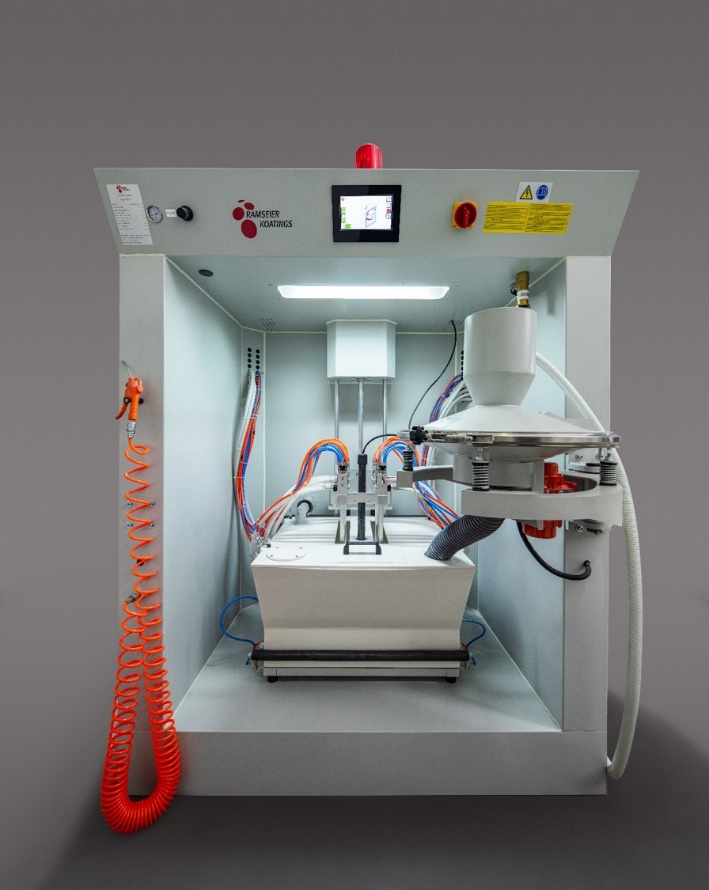
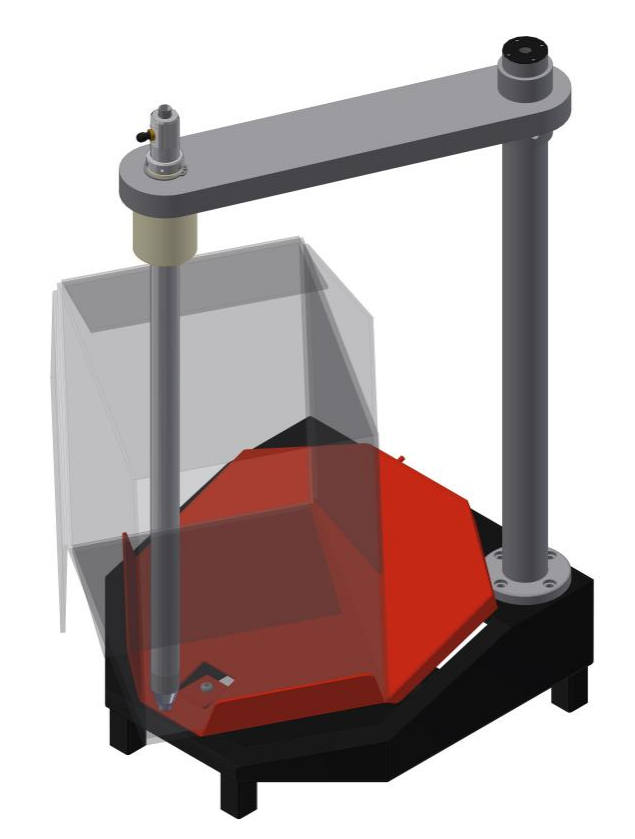
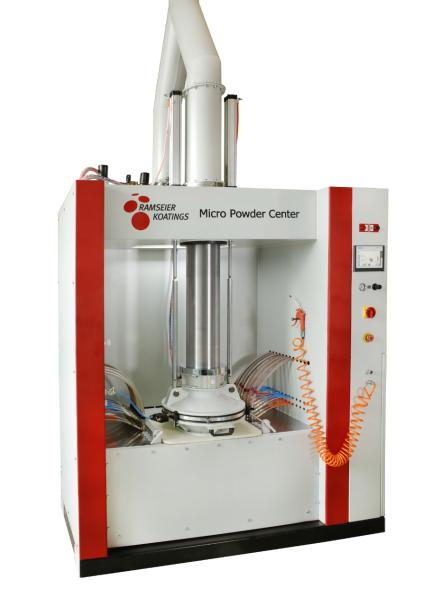
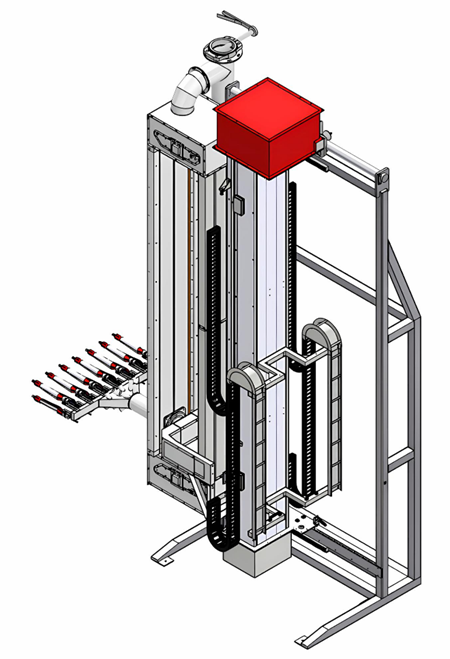
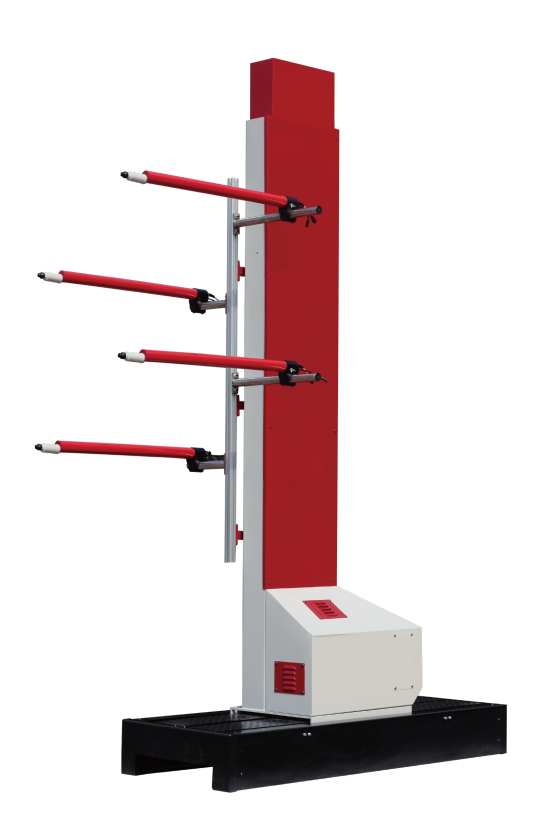
- Electrostatic Spray Guns: These guns charge the powder particles, allowing them to adhere to the grounded workpiece.
- Fluidized Bed Systems: For thicker coatings, fluidized beds can be used to dip parts into a bed of powder.
3. Curing Oven
After application, the coated parts must be cured in an oven. The curing process involves:
- Convection Ovens: These use hot air to cure the powder.
- Infrared Ovens: These provide rapid heating for faster curing times.
4. Cooling and Handling Systems
Once cured, parts need to be cooled and handled efficiently. This includes:
- Cooling Tunnels: To reduce the temperature of the coated parts before packaging.
- Automated Handling Systems: Such as conveyors and robotic arms to move parts through the process.
5. Quality Control Systems
To ensure the highest quality, integrated quality control systems are essential. These may include:
- Thickness Gauges: To measure the coating thickness.
- Visual Inspection Systems: Automated cameras can detect defects in the coating.
Designing the Integrated System
Assessing Requirements
The first step in designing an automated powder coating solution is to assess the specific requirements of the manufacturing process. This includes:
- Production Volume: Understanding the expected output will help determine the size and capacity of the system.
- Part Geometry: Different shapes may require specialized handling and coating techniques.
- Material Types: The system must accommodate various substrates, such as metals, plastics, and composites.
Layout Design
The layout of the powder coating line is crucial for efficiency. Key considerations include:
- Flow of Materials: The design should minimize the distance parts need to travel between processes.
- Space Utilization: Efficient use of space can reduce costs and improve workflow.
- Safety Considerations: Adequate safety measures must be in place to protect workers and equipment.
Automation and Control Systems
Integrating automation into the powder coating process enhances efficiency and consistency. This includes:
- Programmable Logic Controllers (PLCs): These control the various components of the system, ensuring synchronized operation.
- Human-Machine Interfaces (HMIs): Operators can monitor and control the system through user-friendly interfaces.
Maintenance and Support
A well-designed automated powder coating system should also consider maintenance and support. This includes:
- Predictive Maintenance: Utilizing sensors and data analytics to predict equipment failures before they occur.
- Training Programs: Ensuring that operators are well-trained in both operation and maintenance of the system.
Implementation Strategies
Pilot Testing
Before full-scale implementation, conducting pilot tests is essential. This allows manufacturers to:
- Evaluate Performance: Assess the efficiency and quality of the coating process.
- Identify Issues: Detect any potential problems in the system design or operation.
Scaling Up
Once pilot testing is successful, scaling up the operation involves:
- Gradual Integration: Implementing the system in phases to minimize disruption to existing operations.
- Continuous Improvement: Gathering feedback and making adjustments to optimize performance.
Training and Development
Investing in training for staff is critical for the success of the automated system. This includes:
- Technical Training: Ensuring operators understand the technology and processes involved.
- Safety Training: Educating staff on safety protocols to prevent accidents.
Future Trends in Powder Coating Technology
Advancements in Coating Materials
The development of new powder coating materials is an ongoing trend. Innovations include:
- Eco-Friendly Formulations: New formulations that further reduce environmental impact.
- Specialty Coatings: Coatings that provide unique properties, such as anti-microbial or self-cleaning surfaces.
Integration with Industry 4.0
The rise of Industry 4.0 is influencing powder coating technology. Key aspects include:
- IoT Integration: Connecting equipment to the internet for real-time monitoring and data analysis.
- Smart Manufacturing: Utilizing data analytics to optimize processes and improve decision-making.
Customization and Flexibility
As customer demands evolve, the need for customization in powder coating is increasing. Future systems will likely focus on:
- Flexible Production Lines: Allowing for quick changes in production runs to accommodate different products.
- On-Demand Coating Solutions: Enabling manufacturers to respond rapidly to market changes.
Conclusion
Designing a fully integrated automated powder coating solution is a complex but rewarding endeavor. By understanding the components, benefits, and implementation strategies, manufacturers can enhance their production processes, improve product quality, and reduce environmental impact. As technology continues to evolve, staying ahead of trends will be crucial for maintaining a competitive edge in the market.
Questions and Answers
1. What are the main advantages of powder coating over traditional liquid coatings?
- Powder coating is more durable, environmentally friendly, and cost-effective in the long run.
2. What is the role of the pre-treatment system in powder coating?
- The pre-treatment system prepares surfaces for coating by cleaning and enhancing adhesion.
3. How does automation improve the powder coating process?
- Automation increases efficiency, consistency, and reduces labor costs.
4. What are the future trends in powder coating technology?
- Future trends include advancements in eco-friendly materials, IoT integration, and increased customization.
5. Why is pilot testing important before full-scale implementation?
- Pilot testing allows manufacturers to evaluate performance and identify potential issues before scaling up.
Hot Tags: China, Global, OEM, private label, manufacturers, factory, suppliers, manufacturing company





 CALL US ANY TIME









 Tel: +852 2363 2511
 Fax: +852 2764 0105
 E-mail:

 .
. 