Content Menu
● Understanding Vibrating Sieves
>> What is a Vibrating Sieve?
>> How Do Vibrating Sieves Work?
● Types of Vibrating Sieves
>> Circular Vibrating Sieves
>>> Advantages of Circular Vibrating Sieves
>> Linear Vibrating Sieves
>>> Benefits of Linear Vibrating Sieves
>> Ultrasonic Vibrating Sieves
>>> Key Features of Ultrasonic Vibrating Sieves
● Applications of Vibrating Sieves
>> Food Industry
>> Pharmaceutical Industry
>> Chemical Industry
>> Construction Industry
● Choosing the Right Vibrating Sieve
>> Factors to Consider
>> Leading Manufacturers
● Maintenance of Vibrating Sieves
>> Regular Inspections
>> Cleaning Procedures
>> Troubleshooting Common Issues
● Conclusion
>> Frequently Asked Questions
In the world of industrial processing, the ability to efficiently handle and separate powders is crucial. Vibrating sieves have emerged as essential tools in various industries, including food, pharmaceuticals, chemicals, and more. This article explores the best vibrating sieve solutions available for handling industrial powders, focusing on their design, functionality, and applications.
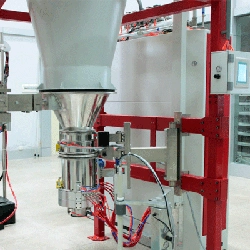
Understanding Vibrating Sieves
What is a Vibrating Sieve?
A vibrating sieve is a mechanical device that uses vibration to separate materials based on their size and density. It consists of a screen or mesh that allows smaller particles to pass through while retaining larger ones. This process is vital for ensuring product quality and consistency in various applications.
How Do Vibrating Sieves Work?
Vibrating sieves operate by creating a controlled vibration that moves materials across the screen. The vibration causes the particles to stratify, allowing smaller particles to fall through the mesh while larger particles are pushed forward. This efficient separation process is crucial in industries where purity and particle size are critical.
Types of Vibrating Sieves
Circular Vibrating Sieves
Circular vibrating sieves are among the most common types used in industrial applications. They feature a circular motion that effectively separates materials. These sieves are versatile and can handle a wide range of powders, from fine to coarse.
Advantages of Circular Vibrating Sieves
- High Efficiency: They provide a high throughput rate, making them suitable for large-scale operations.
- Versatility: Capable of handling various materials, including powders, granules, and liquids.
- Compact Design: Their design allows for easy integration into existing production lines.
Linear Vibrating Sieves
Linear vibrating sieves use a linear motion to separate materials. This type is particularly effective for materials that require precise separation.
Benefits of Linear Vibrating Sieves
- Precision: They offer accurate separation of materials based on size.
- Customizable: The design can be tailored to specific applications, including different mesh sizes and configurations.
- Low Maintenance: These sieves are designed for durability and require minimal maintenance.
Ultrasonic Vibrating Sieves
Ultrasonic vibrating sieves incorporate ultrasonic technology to enhance the separation process. This technology is particularly useful for fine powders that tend to clump together.
Key Features of Ultrasonic Vibrating Sieves
- Enhanced Performance: The ultrasonic waves prevent mesh blinding, allowing for better flow of fine particles.
- Improved Quality: They ensure a higher level of purity by effectively removing contaminants.
- Energy Efficiency: These sieves consume less energy compared to traditional vibrating sieves.
Applications of Vibrating Sieves
Food Industry
In the food industry, maintaining product quality is paramount. Vibrating sieves are used to remove contaminants from flour, sugar, and other powdered ingredients. They ensure that the final products meet safety and quality standards.
Pharmaceutical Industry
The pharmaceutical industry relies on vibrating sieves to ensure the purity of active ingredients. These sieves help in the separation of powders used in drug formulations, ensuring consistent particle size and quality.
Chemical Industry
Vibrating sieves are widely used in the chemical industry for processing powders and granules. They help in the separation of raw materials and ensure that the final products are free from impurities.
Construction Industry
In the construction industry, vibrating sieves are used to separate aggregates and other materials. They ensure that the materials meet the required specifications for construction projects.
Choosing the Right Vibrating Sieve
Factors to Consider
When selecting a vibrating sieve for industrial applications, several factors should be considered:
1. Material Type: Different materials may require specific sieve designs and mesh sizes.
2. Throughput Requirements: The capacity of the sieve should match the production needs.
3. Space Constraints: Consider the available space in the production area for installation.
4. Maintenance Needs: Choose a sieve that requires minimal maintenance to reduce downtime.
Leading Manufacturers
Several manufacturers are known for producing high-quality vibrating sieves. Some of the top brands include:
- Russell Finex: Known for their innovative designs and high-performance sieves.
- Elcan Industries: Offers advanced sieving solutions for various industries.
- VibraScreener: Provides a range of industrial sieves designed for efficiency and reliability.
- Palamatic Process: Specializes in hygienic sieving solutions for the food and pharmaceutical industries.
Maintenance of Vibrating Sieves
Regular Inspections
Regular inspections are crucial for ensuring the longevity and efficiency of vibrating sieves. Check for wear and tear on the mesh and other components.
Cleaning Procedures
Maintaining cleanliness is essential, especially in industries like food and pharmaceuticals. Establish a cleaning schedule to prevent contamination and ensure optimal performance.
Troubleshooting Common Issues
Common issues with vibrating sieves include mesh blinding and uneven flow. Implementing ultrasonic technology can help mitigate these problems.
Conclusion
Vibrating sieves are indispensable tools in the handling of industrial powders. Their ability to efficiently separate materials based on size and density makes them essential in various industries. By understanding the different types of vibrating sieves and their applications, businesses can make informed decisions to enhance their production processes.
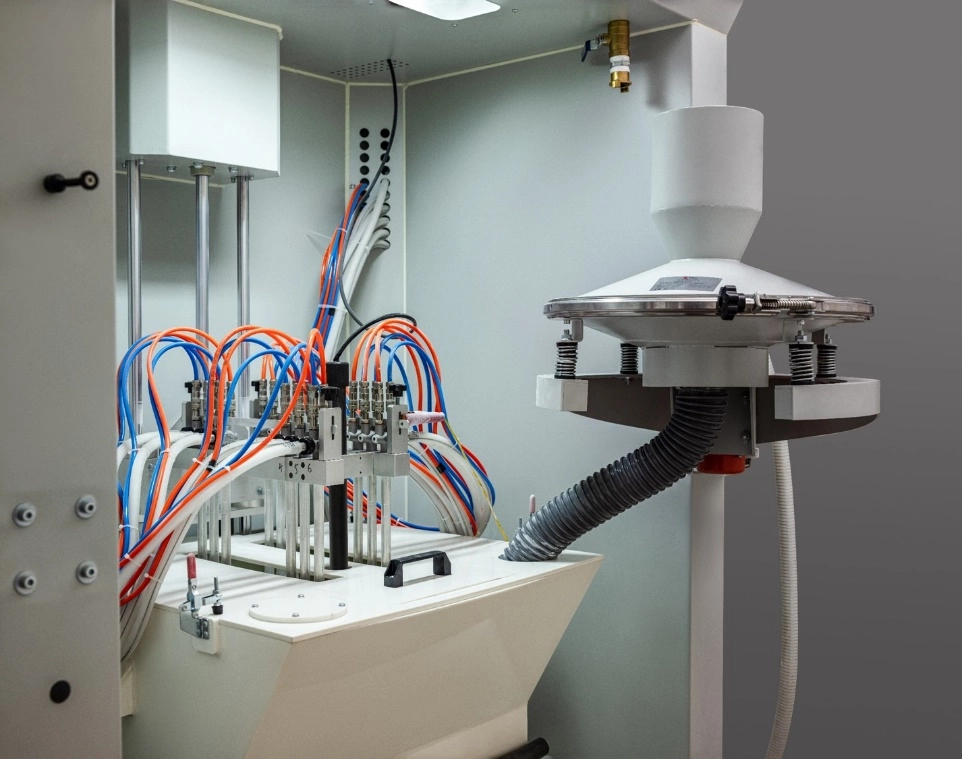
Frequently Asked Questions
1. What is the primary function of a vibrating sieve?
- The primary function of a vibrating sieve is to separate materials based on size and density, ensuring product quality and consistency.
2. What industries commonly use vibrating sieves?
- Vibrating sieves are commonly used in the food, pharmaceutical, chemical, and construction industries.
3. How do ultrasonic vibrating sieves improve performance?
- Ultrasonic vibrating sieves use ultrasonic waves to prevent mesh blinding, allowing for better flow of fine particles and improved separation.
4. What factors should be considered when choosing a vibrating sieve?
- Factors include material type, throughput requirements, space constraints, and maintenance needs.
5. How can I maintain my vibrating sieve?
- Regular inspections, cleaning procedures, and troubleshooting common issues are essential for maintaining vibrating sieves.
Hot Tags: China, Global, OEM, private label, manufacturers, factory, suppliers, manufacturing company





 CALL US ANY TIME









 Tel: +852 2363 2511
 Fax: +852 2764 0105
 E-mail:

 .
. 