Content Menu
● Understanding Powder Coating
>> What is Powder Coating?
>> The Traditional Powder Coating Process
● The Role of Automation in Powder Coating
>> Enhancing Efficiency
>> Reducing Waste
>> Improving Quality Control
● Sustainability in Powder Coating
>> Environmental Benefits
>> Energy Efficiency
>> Compliance with Regulations
● Challenges of Implementing Automation
>> Initial Investment Costs
>> Technical Expertise
>> Integration with Existing Processes
● Future Trends in Powder Coating Automation and Sustainability
>> Smart Manufacturing
>> Advanced Materials
>> Circular Economy Practices
● Conclusion
>> Frequently Asked Questions
In recent years, the powder coating industry has witnessed a significant transformation driven by advancements in automation and a growing emphasis on sustainability. As manufacturers strive to enhance efficiency and reduce their environmental footprint, the integration of automated processes in powder coating has emerged as a pivotal strategy. This article explores the intersection of automation and sustainability in powder coating, highlighting the benefits, challenges, and future prospects of this dynamic field.
Understanding Powder Coating
What is Powder Coating?
Powder coating is a finishing process that involves applying a dry powder to a surface, which is then cured under heat to form a durable and protective layer. Unlike traditional liquid coatings, powder coatings do not require solvents, making them an environmentally friendly option. The process is widely used in various industries, including automotive, furniture, and appliances, due to its superior finish and durability.
The Traditional Powder Coating Process
The traditional powder coating process involves several key steps:
1. Surface Preparation: The substrate is cleaned and pre-treated to ensure proper adhesion of the powder.
2. Application: The powder is applied using an electrostatic spray gun, which charges the powder particles, allowing them to adhere to the grounded substrate.
3. Curing: The coated substrate is heated in an oven, causing the powder to melt and cure into a solid film.
4. Cooling: After curing, the coated item is cooled, completing the process.
While effective, this traditional method can be labor-intensive and may generate waste, prompting the need for more efficient and sustainable solutions.
The Role of Automation in Powder Coating
Enhancing Efficiency
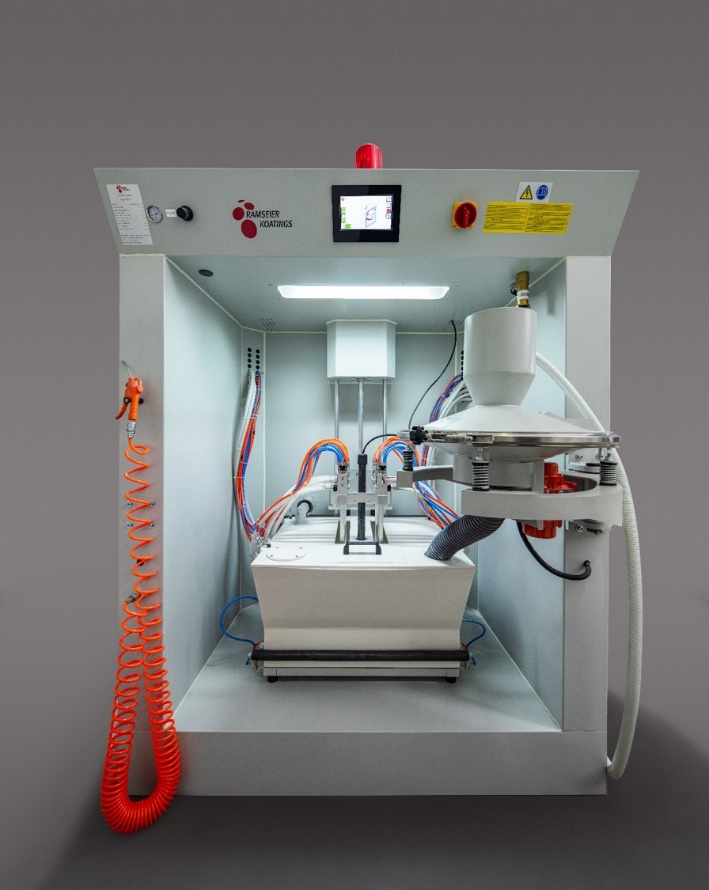
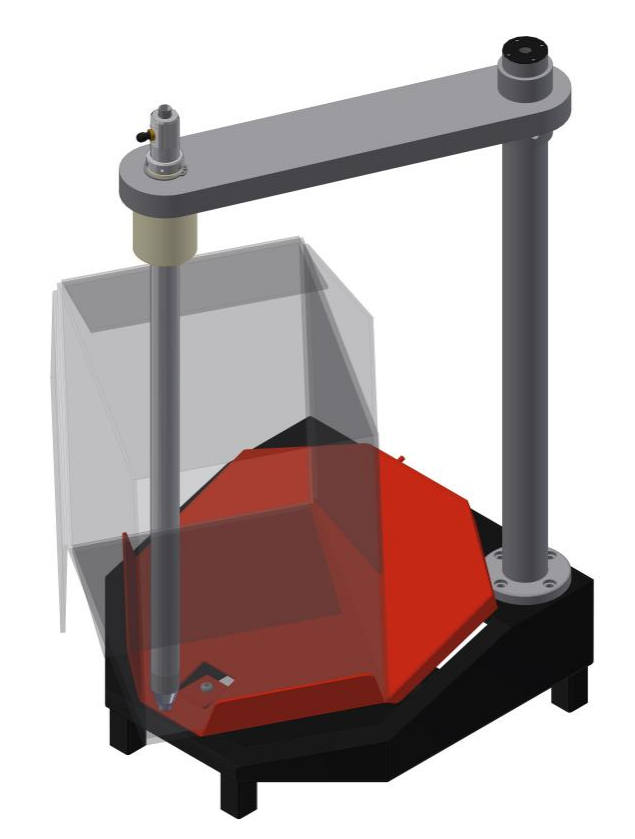
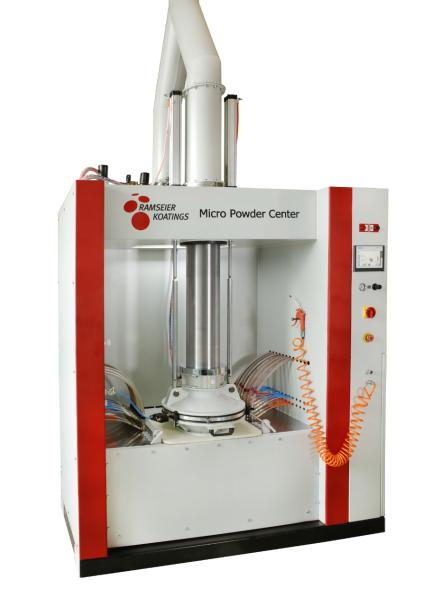
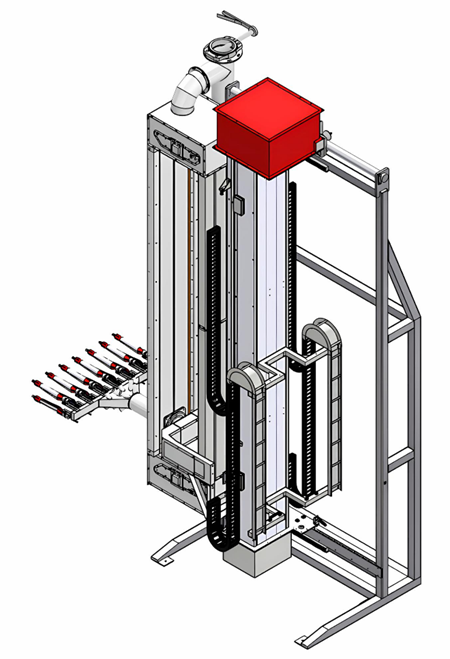
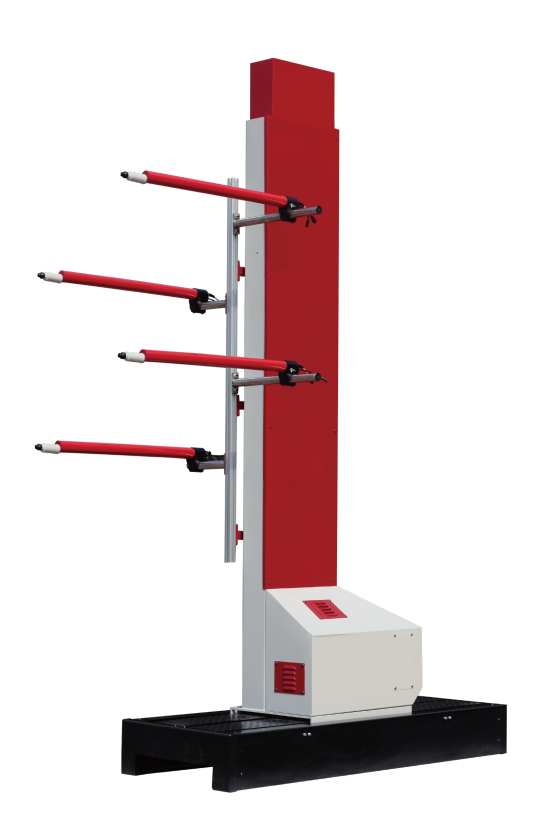
Automation in powder coating involves the use of advanced technologies such as robotics, conveyor systems, and automated spray booths. These innovations streamline the coating process, reducing manual labor and increasing throughput. Automated systems can apply coatings more consistently and accurately, minimizing defects and rework.
Reducing Waste
One of the significant advantages of automation is its ability to reduce material waste. Automated systems can precisely control the amount of powder applied, ensuring that only the necessary amount is used. This not only conserves resources but also lowers costs associated with excess material and disposal.
Improving Quality Control
Automated powder coating systems are equipped with advanced monitoring and control technologies that enhance quality control. Sensors can detect variations in coating thickness, color, and texture, allowing for real-time adjustments. This level of precision ensures a high-quality finish and reduces the likelihood of defects, leading to increased customer satisfaction.
Sustainability in Powder Coating
Environmental Benefits
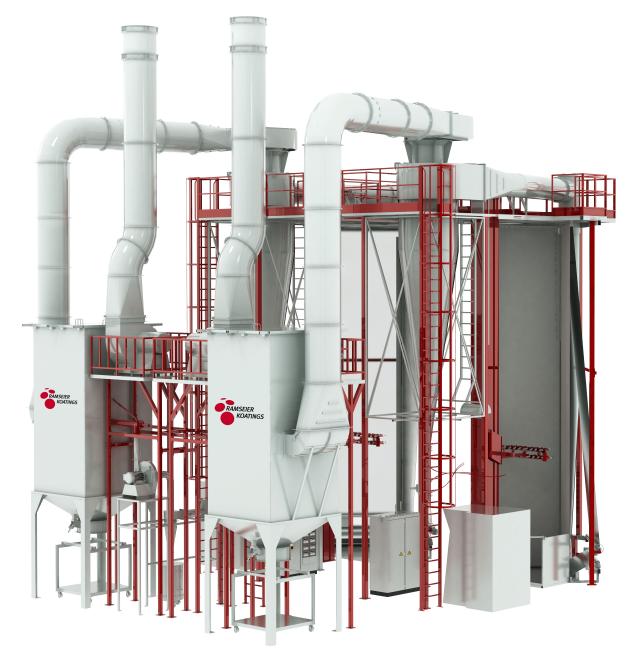
The powder coating process is inherently more sustainable than traditional liquid coatings. Since powder coatings do not contain solvents, they emit fewer volatile organic compounds (VOCs), contributing to improved air quality. Additionally, the ability to reclaim and reuse overspray powder further reduces waste and resource consumption.
Energy Efficiency
Automation also plays a crucial role in enhancing energy efficiency in powder coating operations. Automated systems can optimize curing times and temperatures, reducing energy consumption during the curing process. Furthermore, advancements in oven technology, such as infrared and convection heating, have made curing more efficient, further lowering the carbon footprint of powder coating operations.
Compliance with Regulations
As environmental regulations become increasingly stringent, manufacturers must adapt to comply with new standards. Automated powder coating systems can be designed to meet these regulations more easily, ensuring that companies remain compliant while minimizing their environmental impact.
Challenges of Implementing Automation
Initial Investment Costs
While the benefits of automation are clear, the initial investment can be a barrier for many manufacturers. The cost of purchasing and installing automated systems can be significant, particularly for small to medium-sized enterprises. However, the long-term savings in labor, material waste, and energy consumption often justify the upfront costs.
Technical Expertise
Implementing automated systems requires a certain level of technical expertise. Companies may need to invest in training their workforce to operate and maintain new technologies effectively. This can be a challenge, especially in industries where skilled labor is in short supply.
Integration with Existing Processes
Integrating automation into existing powder coating processes can be complex. Manufacturers must carefully plan the transition to ensure that new systems work seamlessly with current operations. This may involve redesigning workflows and investing in additional equipment to facilitate the integration.
Future Trends in Powder Coating Automation and Sustainability
Smart Manufacturing
The future of powder coating lies in smart manufacturing, where interconnected systems and data analytics drive efficiency and sustainability. By leveraging the Internet of Things (IoT), manufacturers can monitor and optimize their processes in real-time, leading to further reductions in waste and energy consumption.
Advanced Materials
Research into advanced powder coating materials is ongoing, with a focus on developing eco-friendly formulations that enhance performance while minimizing environmental impact. These innovations will likely play a crucial role in the future of sustainable powder coating.
Circular Economy Practices
As sustainability becomes a central focus for many industries, the concept of a circular economy is gaining traction. In powder coating, this could involve reclaiming and recycling powder materials, reducing waste, and promoting the use of sustainable materials in the coating process.
Conclusion
The integration of automation and sustainability in powder coating represents a significant opportunity for manufacturers to enhance efficiency, reduce waste, and comply with environmental regulations. While challenges exist, the long-term benefits of adopting automated systems far outweigh the initial hurdles. As the industry continues to evolve, the focus on smart manufacturing and sustainable practices will shape the future of powder coating, creating a win-win scenario for both businesses and the environment.
Frequently Asked Questions
1. What are the main benefits of powder coating compared to traditional liquid coatings?
- Powder coating is more environmentally friendly, produces less waste, and offers superior durability and finish.
2. How does automation improve the powder coating process?
- Automation enhances efficiency, reduces material waste, and improves quality control through precise application and monitoring.
3. What are the environmental benefits of using powder coatings?
- Powder coatings emit fewer VOCs, can be reclaimed and reused, and generally have a lower carbon footprint compared to liquid coatings.
4. What challenges do manufacturers face when implementing automation in powder coating?
- Initial investment costs, the need for technical expertise, and integration with existing processes can pose challenges.
5. What future trends are expected in the powder coating industry?
- Trends include smart manufacturing, advanced eco-friendly materials, and the adoption of circular economy practices.
Hot Tags: China, Global, OEM, private label, manufacturers, factory, suppliers, manufacturing company





 CALL US ANY TIME









 Tel: +852 2363 2511
 Fax: +852 2764 0105
 E-mail:

 .
. 