Content Menu
● Understanding Coating Lines
>> What is a Coating Line?
>> Components of a Coating Line
● The Role of Automation in Coating Lines
>> Increased Production Efficiency
>>> Continuous Operation
>> Enhanced Quality and Consistency
>>> Precision Control
● Stability in Coating Processes
>> Reducing Variability
>>> Predictive Maintenance
>> Improved Safety and Compliance
● Challenges of Implementing Automation
>> Initial Investment Costs
>> Integration with Existing Systems
● Future Trends in Coating Automation
>> Advancements in Technology
>> Customization and Flexibility
● Conclusion
>> Frequently Asked Questions
Automation has become a cornerstone of modern manufacturing, particularly in the coatings industry. As companies strive to enhance efficiency, reduce costs, and improve product quality, the integration of automated systems in coating lines has proven to be transformative. This article explores the multifaceted impact of automation on coating line stability and throughput, highlighting the benefits, challenges, and future trends in this dynamic field.
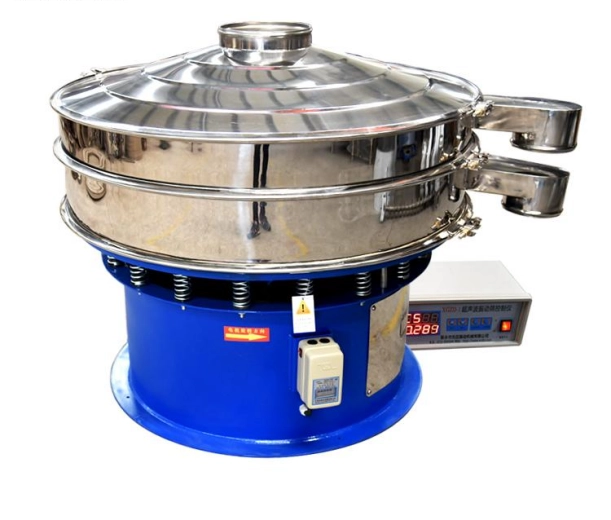
Understanding Coating Lines
What is a Coating Line?
A coating line is a series of processes designed to apply a protective or decorative layer to a substrate. This can include various methods such as spray painting, powder coating, and electroplating. The efficiency and effectiveness of these lines are critical to the overall productivity of manufacturing operations.
Components of a Coating Line
Coating lines typically consist of several key components:
- Pre-treatment Systems: Prepare the substrate for coating by removing contaminants.
- Application Equipment: Includes spray guns, rollers, or automated robotic arms that apply the coating.
- Curing Systems: Use heat or UV light to cure the coating, ensuring it adheres properly.
- Quality Control Systems: Monitor the coating process to ensure consistency and quality.
The Role of Automation in Coating Lines
Increased Production Efficiency
One of the most significant advantages of automation in coating lines is the increase in production efficiency. Automated systems can operate continuously without the breaks associated with manual labor, leading to higher throughput. This is particularly important in industries where demand is high and lead times are critical.
Continuous Operation
Automated coating lines can run 24/7, significantly increasing the volume of products processed. This continuous operation reduces the time required to complete batches and allows manufacturers to meet tight deadlines.
Enhanced Quality and Consistency
Automation also plays a crucial role in improving the quality and consistency of coatings. Human error can lead to variations in coating thickness, uneven application, and defects. Automated systems, equipped with advanced sensors and controls, ensure that each application meets precise specifications.
Precision Control
Automated systems can adjust parameters such as spray patterns, flow rates, and curing times in real-time, ensuring uniform application across all products. This precision reduces the likelihood of defects and enhances the overall quality of the finished product.
Stability in Coating Processes
Reducing Variability
Stability in coating processes is essential for maintaining product quality. Automation helps to minimize variability by standardizing operations. With automated systems, manufacturers can achieve consistent results regardless of external factors such as operator skill levels or environmental conditions.
Predictive Maintenance
Many automated systems incorporate predictive maintenance technologies that monitor equipment performance and predict failures before they occur. This proactive approach reduces downtime and ensures that the coating line operates smoothly.
Improved Safety and Compliance
Automated coating lines also enhance workplace safety. By reducing the need for manual handling of hazardous materials and minimizing human exposure to potentially harmful substances, automation contributes to a safer working environment. Additionally, automated systems can be designed to comply with environmental regulations more easily, ensuring that manufacturers meet legal requirements.
Challenges of Implementing Automation
Initial Investment Costs
While the benefits of automation are clear, the initial investment can be a barrier for many manufacturers. The cost of purchasing and installing automated systems can be significant, and companies must weigh these costs against the potential long-term savings.
Integration with Existing Systems
Integrating new automated systems with existing production lines can also pose challenges. Manufacturers must ensure that new technologies are compatible with current processes and that staff are trained to operate and maintain these systems effectively.
Future Trends in Coating Automation
Advancements in Technology
The future of coating automation is likely to be shaped by advancements in technology. Innovations such as artificial intelligence (AI), machine learning, and the Internet of Things (IoT) are set to revolutionize the industry. These technologies can enhance predictive maintenance, improve quality control, and optimize production processes.
Customization and Flexibility
As consumer demands shift towards more customized products, automated coating lines will need to adapt. Future systems are expected to offer greater flexibility, allowing manufacturers to switch between different products and coating types with minimal downtime.
Conclusion
The impact of automation on coating line stability and throughput is profound. By increasing efficiency, enhancing quality, and improving safety, automated systems are transforming the coatings industry. While challenges remain, the future of coating automation looks promising, with ongoing technological advancements set to drive further improvements.
Frequently Asked Questions
1. What are the main benefits of automating a coating line?
- Automation increases production efficiency, enhances quality and consistency, reduces labor costs, and improves workplace safety.
2. How does automation improve coating quality?
- Automated systems provide precise control over application parameters, reducing variability and ensuring uniform coverage.
3. What challenges do manufacturers face when implementing automation?
- Initial investment costs and integration with existing systems are significant challenges that manufacturers must address.
4. What role does predictive maintenance play in automated coating lines?
- Predictive maintenance helps to monitor equipment performance and prevent failures, reducing downtime and maintaining stability in operations.
5. How is technology shaping the future of coating automation?
- Advancements in AI, machine learning, and IoT are expected to enhance predictive maintenance, improve quality control, and increase flexibility in production processes.
Hot Tags: China, Global, OEM, private label, manufacturers, factory, suppliers, manufacturing company





 CALL US ANY TIME









 Tel: +852 2363 2511
 Fax: +852 2764 0105
 E-mail:

 .
. 