Content Menu
● Understanding Powder Coating
>> What is a Powder Booth?
● Manual Powder Booths
>> Features of Manual Powder Booths
>> Advantages of Manual Powder Booths
>> Disadvantages of Manual Powder Booths
● Automatic Powder Booths
>> Features of Automatic Powder Booths
>> Advantages of Automatic Powder Booths
>> Disadvantages of Automatic Powder Booths
● Key Considerations When Choosing Between Manual and Automatic Powder Booths
>> Production Volume
>> Budget Constraints
>> Quality Requirements
>> Space Availability
>> Future Growth
● Conclusion
● Frequently Asked Questions
>> 1. What is the main difference between manual and automatic powder booths?
>> 2. Which type of booth is more cost-effective?
>> 3. Can manual booths handle high production volumes?
>> 4. What factors should I consider when choosing a powder booth?
>> 5. Are automatic booths suitable for custom work?
When it comes to powder coating, selecting the right booth is crucial for achieving high-quality finishes and optimizing production efficiency. This guide will explore the differences between manual and automatic powder booths, helping you make an informed decision based on your specific needs.
Understanding Powder Coating
Powder coating is a finishing process that involves applying a dry powder to a surface, which is then cured under heat to form a durable finish. This method is widely used in various industries, including automotive, furniture, and electronics, due to its ability to provide a tough, attractive finish that is resistant to chipping, scratching, and fading.
What is a Powder Booth?
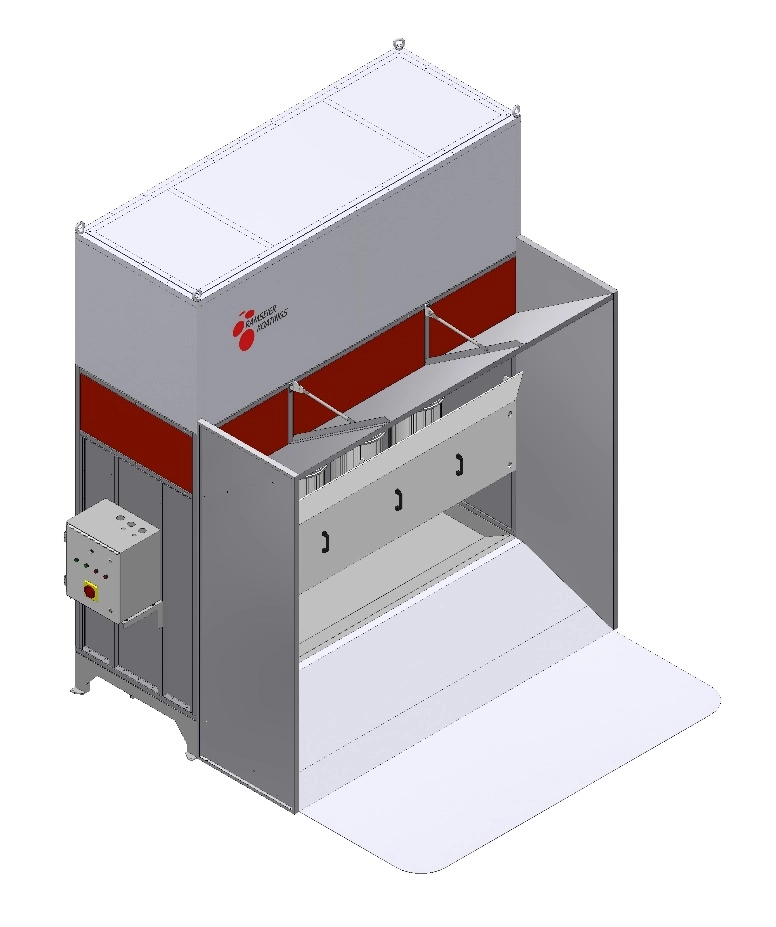
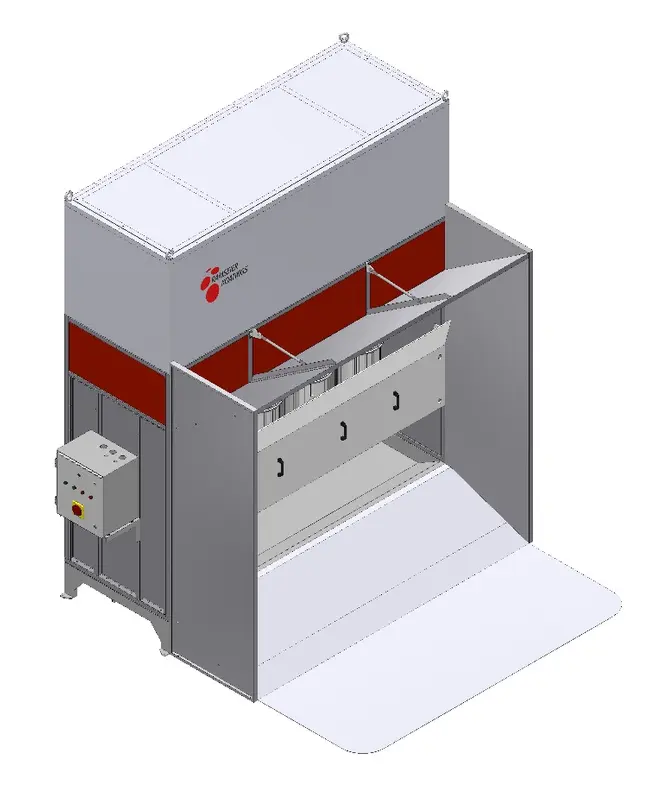
A powder booth is a controlled environment where the powder coating process takes place. It is designed to contain overspray, ensuring that the powder is applied evenly and efficiently while minimizing waste and environmental impact. There are two main types of powder booths: manual and automatic.
Manual Powder Booths
Features of Manual Powder Booths
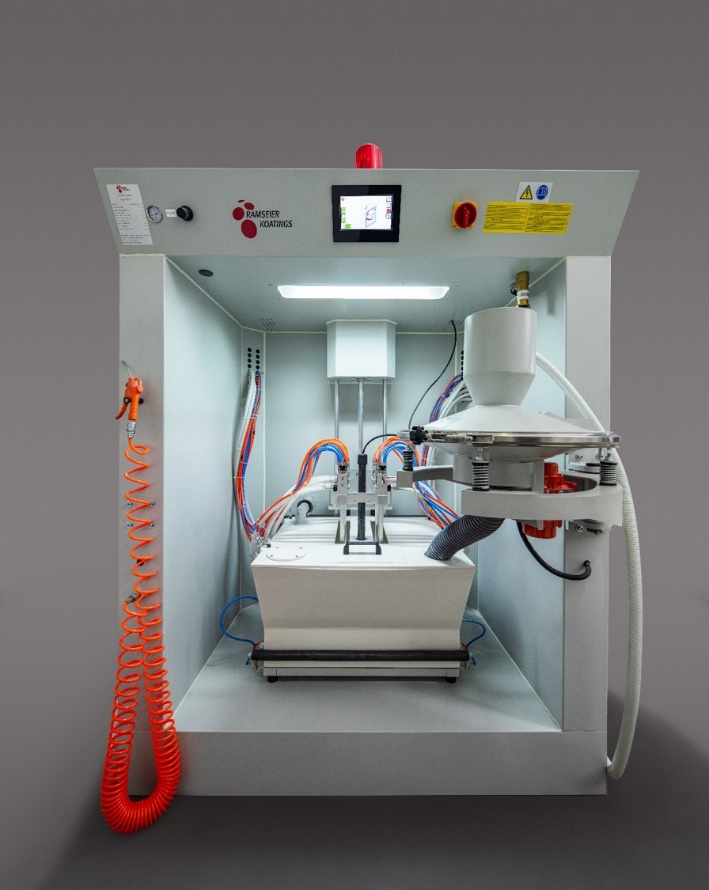
Manual powder booths are operated by skilled technicians who control the application of the powder using handheld spray guns. These booths are typically less expensive to set up and maintain compared to their automatic counterparts. Key features include:
- Flexibility: Manual booths allow operators to adjust the spray pattern and application technique based on the specific part being coated.
- Lower Initial Investment: The upfront costs for manual booths are generally lower, making them accessible for small businesses or startups.
- Customization: Ideal for custom jobs or low-volume production, manual booths can easily accommodate a variety of part shapes and sizes.
Advantages of Manual Powder Booths
1. Cost-Effective: Lower initial costs and maintenance expenses make manual booths a budget-friendly option.
2. Skill Utilization: Skilled operators can achieve high-quality finishes through their expertise in adjusting techniques.
3. Versatility: Suitable for a wide range of applications, from small custom jobs to larger projects.
Disadvantages of Manual Powder Booths
1. Labor-Intensive: Requires more manpower, which can increase labor costs over time.
2. Inconsistent Quality: The quality of the finish can vary based on the operator's skill level and experience.
3. Limited Production Speed: Manual booths may not keep up with high-volume production demands.
Automatic Powder Booths
Features of Automatic Powder Booths
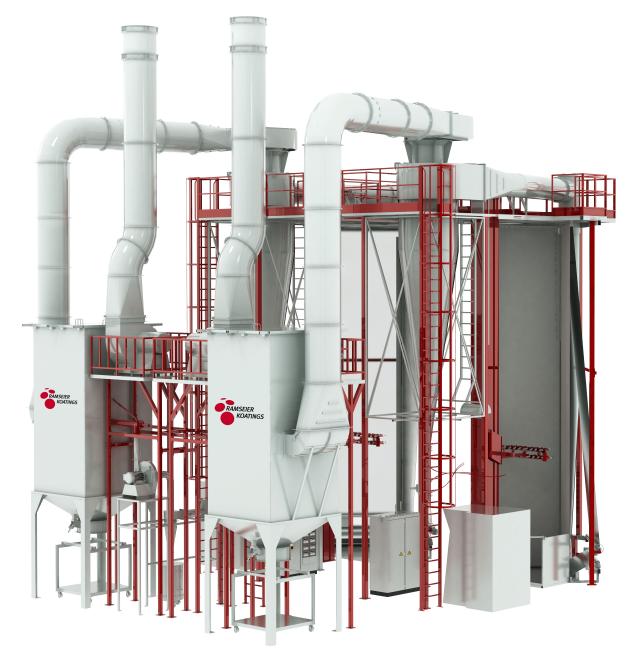
Automatic powder booths utilize robotic systems or automated guns to apply powder coatings. These systems are designed for high efficiency and consistency, making them ideal for large-scale production. Key features include:
- High Throughput: Capable of processing large volumes of parts quickly and efficiently.
- Consistent Application: Automated systems provide uniform coverage, reducing the risk of defects.
- Integration with Production Lines: Often designed to work seamlessly with other automated processes, enhancing overall productivity.
Advantages of Automatic Powder Booths
1. Efficiency: High-speed operation allows for increased production rates, making them suitable for large manufacturers.
2. Consistency: Automated systems ensure uniform application, leading to higher quality finishes.
3. Reduced Labor Costs: Less reliance on manual labor can lower overall operational costs.
Disadvantages of Automatic Powder Booths
1. Higher Initial Investment: The upfront costs for automatic systems can be significant, which may be a barrier for smaller businesses.
2. Complexity: Requires more technical knowledge for setup and maintenance, potentially leading to higher training costs.
3. Less Flexibility: While efficient for standard parts, automatic systems may struggle with custom or irregular shapes.
Key Considerations When Choosing Between Manual and Automatic Powder Booths
Production Volume
One of the most critical factors in deciding between manual and automatic powder booths is your production volume. If you are producing large quantities of similar parts, an automatic booth may be the best choice. Conversely, if your work involves smaller batches or custom pieces, a manual booth may be more suitable.
Budget Constraints
Consider your budget not only for the initial purchase but also for ongoing operational costs. Manual booths typically have lower upfront costs, while automatic booths may offer savings in labor and increased throughput over time.
Quality Requirements
Evaluate the quality standards required for your finished products. If consistency and high-quality finishes are paramount, an automatic booth may be necessary. However, if you can maintain quality through skilled labor, a manual booth could suffice.
Space Availability
The physical space available for your powder coating operation can also influence your decision. Automatic systems often require more space due to their integrated components and conveyor systems, while manual booths can be more compact.
Future Growth
Consider your long-term business goals. If you anticipate growth and increased production needs, investing in an automatic booth may be wise. On the other hand, if your business model focuses on custom work, a manual booth may provide the flexibility you need.
Conclusion
Choosing between manual and automatic powder booths ultimately depends on your specific business needs, production volume, and budget. Manual booths offer flexibility and lower costs, making them ideal for custom work and small operations. In contrast, automatic booths provide efficiency and consistency, making them suitable for high-volume production environments. By carefully evaluating your requirements, you can make an informed decision that aligns with your operational goals.
Frequently Asked Questions
1. What is the main difference between manual and automatic powder booths?
Manual powder booths require skilled operators to apply the powder, while automatic booths use robotic systems for consistent and efficient application.
2. Which type of booth is more cost-effective?
Manual booths generally have lower initial costs and are more suitable for small businesses or custom jobs, while automatic booths may save on labor costs in high-volume production.
3. Can manual booths handle high production volumes?
While manual booths can be used for high production, they may not be as efficient as automatic booths, which are designed for speed and consistency.
4. What factors should I consider when choosing a powder booth?
Consider production volume, budget, quality requirements, space availability, and future growth when selecting a powder booth.
5. Are automatic booths suitable for custom work?
Automatic booths are less flexible for custom jobs compared to manual booths, which can easily adapt to various part shapes and sizes.
Hot Tags: China, Global, OEM, private label, manufacturers, factory, suppliers, manufacturing company





 CALL US ANY TIME









 Tel: +852 2363 2511
 Fax: +852 2764 0105
 E-mail:

 .
. 