Content Menu
● Understanding Automated Coating Lines
>> What is an Automated Coating Line?
>> Components of Automated Coating Lines
● Benefits of Automated Coating Lines
>> 1. Reduction in Labor Costs
>> 2. Increased Efficiency and Throughput
>> 3. Enhanced Quality Control
>> 4. Minimized Material Waste
>> 5. Energy Efficiency
● The Economic Impact of Automation
>> Initial Investment vs. Long-Term Savings
>> Case Studies: Real-World Applications
● Challenges and Considerations
>> Transitioning to Automation
>> Maintenance and Upkeep
● Future Trends in Coating Automation
>> Advancements in Technology
>> Sustainability Initiatives
● Conclusion
>> Frequently Asked Questions
In the modern manufacturing landscape, efficiency and cost-effectiveness are paramount. Automated coating lines have emerged as a transformative solution, significantly reducing labor and operational costs while enhancing productivity and quality. This article delves into the mechanics of automated coating lines, their benefits, and how they revolutionize the coating process across various industries.
Understanding Automated Coating Lines
What is an Automated Coating Line?
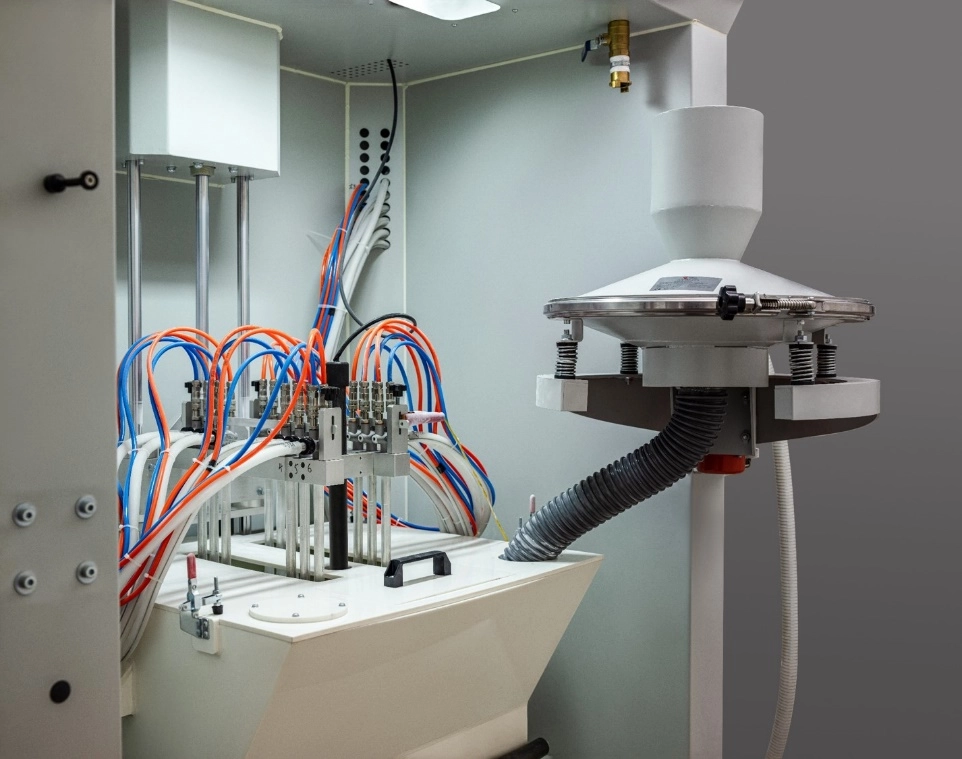
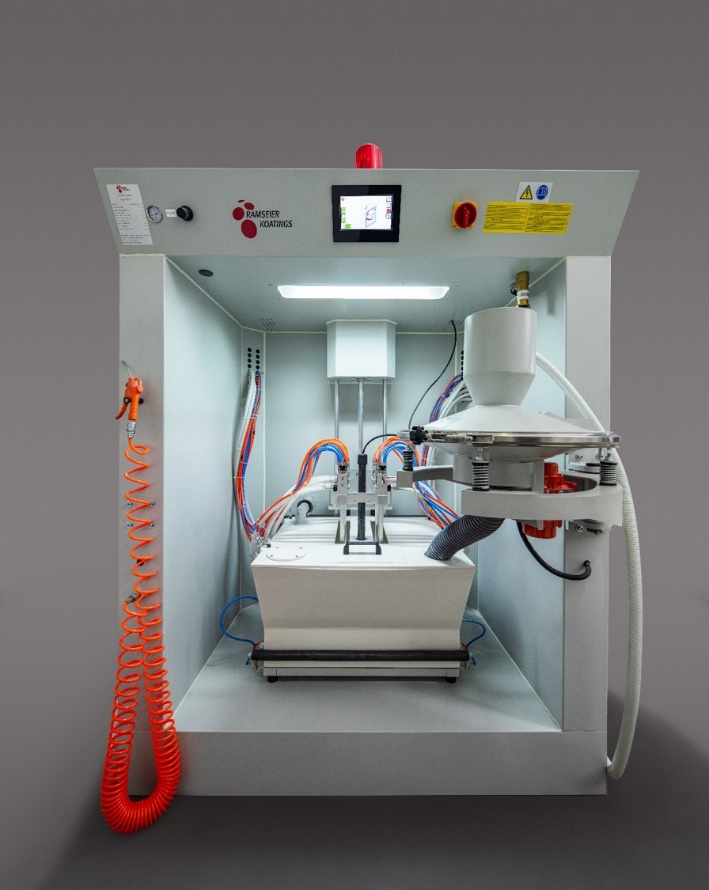
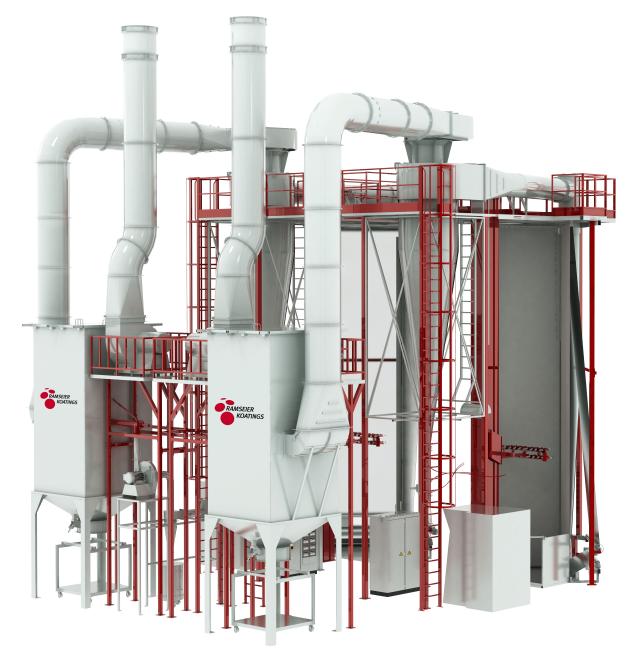
An automated coating line is a fully integrated system designed to perform coating operations with minimal human intervention. Unlike traditional manual spray-painting processes, these systems incorporate advanced handling, spraying, and drying mechanisms. They utilize conveyor belts and robotic arms to move parts through different stages of the coating process, ensuring uniform coverage and high-quality finishes.
Components of Automated Coating Lines
Automated coating lines typically consist of several key components:
- Conveyor Systems: These transport items through various stages of the coating process, reducing manual handling.
- Robotic Sprayers: These machines apply coatings with precision, minimizing overspray and ensuring consistent application.
- Curing Ovens: These are used to dry and cure the coatings, often equipped with smart controls to optimize energy use.
- Control Systems: Advanced software manages the entire process, allowing for real-time monitoring and adjustments.
Benefits of Automated Coating Lines
1. Reduction in Labor Costs
One of the most significant advantages of automated coating lines is the substantial reduction in labor costs. Automation minimizes the need for manual labor by taking over repetitive tasks such as loading, spraying, and quality control. This shift not only reduces the number of employees required on the production floor but also decreases the time spent managing manual handoffs.
2. Increased Efficiency and Throughput
Automated systems operate continuously, which enhances throughput. Unlike manual processes that require breaks and downtime, automated lines can run 24/7, significantly increasing production capacity. This continuous operation allows manufacturers to meet tight delivery schedules and growing customer demands without compromising quality.
3. Enhanced Quality Control
Automated coating lines are equipped with advanced monitoring systems that ensure consistent application and quality. These systems can detect defects in real-time, allowing for immediate corrections. This level of precision reduces the need for rework and minimizes material waste, further driving down operational costs.
4. Minimized Material Waste
Precision application technology in automated systems ensures that coatings are applied efficiently, reducing overspray and waste. Many automated systems can reclaim over 95% of unused powder, which not only lowers material costs but also supports sustainability efforts by minimizing environmental impact.
5. Energy Efficiency
Automated coating lines are designed with energy efficiency in mind. Curing ovens are often insulated and equipped with smart controls that prevent over-baking, while conveyor systems can idle automatically when not in use. This optimization leads to significant savings in energy consumption, contributing to lower operational costs.
The Economic Impact of Automation
Initial Investment vs. Long-Term Savings
While the initial investment in automated coating lines can be substantial, the long-term savings often outweigh these costs. Companies can expect a return on investment through reduced labor costs, minimized material waste, and enhanced productivity. Over time, these savings can lead to a more competitive position in the market.
Case Studies: Real-World Applications
Several industries have successfully implemented automated coating lines, reaping the benefits of reduced costs and increased efficiency. For instance, an aerospace parts supplier upgraded to a robotic spray booth, resulting in a 70% reduction in coating defects and significant savings in scrap costs. Similarly, a contract manufacturer replaced manual powder-coating booths with an automated system, achieving lower VOC emissions and energy savings.
Challenges and Considerations
Transitioning to Automation
Transitioning from manual to automated systems can pose challenges. Companies must evaluate their current processes, identify bottlenecks, and set clear automation goals. Training staff to operate and maintain new systems is also crucial to ensure a smooth transition.
Maintenance and Upkeep
Automated systems require regular maintenance to ensure optimal performance. While they reduce the need for manual labor, skilled technicians are still necessary to oversee operations, troubleshoot issues, and perform routine maintenance.
Future Trends in Coating Automation
Advancements in Technology
The future of automated coating lines looks promising, with ongoing advancements in technology. Innovations such as artificial intelligence and machine learning are being integrated into coating systems, allowing for even greater efficiency and quality control. These technologies can analyze data to predict performance and optimize processes, further reducing costs.
Sustainability Initiatives
As environmental concerns grow, automated coating lines are becoming more sustainable. Companies are focusing on reducing their carbon footprint by optimizing resource use and minimizing waste. Automated systems can help achieve these goals by ensuring precise application and efficient energy use.
Conclusion
Automated coating lines represent a significant advancement in manufacturing, offering numerous benefits that lead to reduced labor and operational costs. By enhancing efficiency, quality, and sustainability, these systems are transforming the coating process across various industries. As technology continues to evolve, the potential for further improvements in automation will only increase, making it an essential consideration for manufacturers looking to stay competitive in a rapidly changing market.
Frequently Asked Questions
1. What are the main components of an automated coating line?
Automated coating lines typically include conveyor systems, robotic sprayers, curing ovens, and control systems.
2. How do automated coating lines reduce labor costs?
They minimize the need for manual labor by automating repetitive tasks such as loading, spraying, and quality control.
3. What are the energy savings associated with automated coating lines?
Automated systems are designed to optimize energy use, with features like insulated curing ovens and automatic idling of conveyor systems, leading to significant energy savings.
4. Can automated coating lines improve product quality?
Yes, they enhance quality control through real-time monitoring and precision application, reducing defects and the need for rework.
5. What challenges might a company face when transitioning to automated coating lines?
Challenges include evaluating current processes, training staff, and ensuring regular maintenance of the new systems.
Hot Tags: China, Global, OEM, private label, manufacturers, factory, suppliers, manufacturing company





 CALL US ANY TIME









 Tel: +852 2363 2511
 Fax: +852 2764 0105
 E-mail:

 .
. 