Content Menu
● Understanding Reciprocators
>> What is a Reciprocator?
>> Importance of Quality in Reciprocators
● Key Factors Differentiating High-Quality Reciprocators
>> 1. Precision Engineering
>>> Accuracy in Movement
>>> Tolerance Levels
>> 2. Durability and Reliability
>>> Material Selection
>>> Maintenance Requirements
>> 3. Versatility
>>> Adaptability to Different Applications
>>> Customization Options
>> 4. Advanced Control Systems
>>> Automation and Integration
>>> User-Friendly Interfaces
>> 5. Energy Efficiency
>>> Power Consumption
>>> Eco-Friendly Features
● Benefits of High-Quality Reciprocators
>> Enhanced Productivity
>> Improved Finish Quality
>> Cost Savings
>> Competitive Advantage
● Conclusion
>> Frequently Asked Questions
In the world of industrial automation, reciprocators play a crucial role in various applications, particularly in coating processes. A high-quality reciprocator can significantly enhance productivity, improve finish quality, and reduce operational costs. This article explores the key factors that differentiate a high-quality reciprocator, providing insights into their design, functionality, and the benefits they offer.
Understanding Reciprocators
What is a Reciprocator?
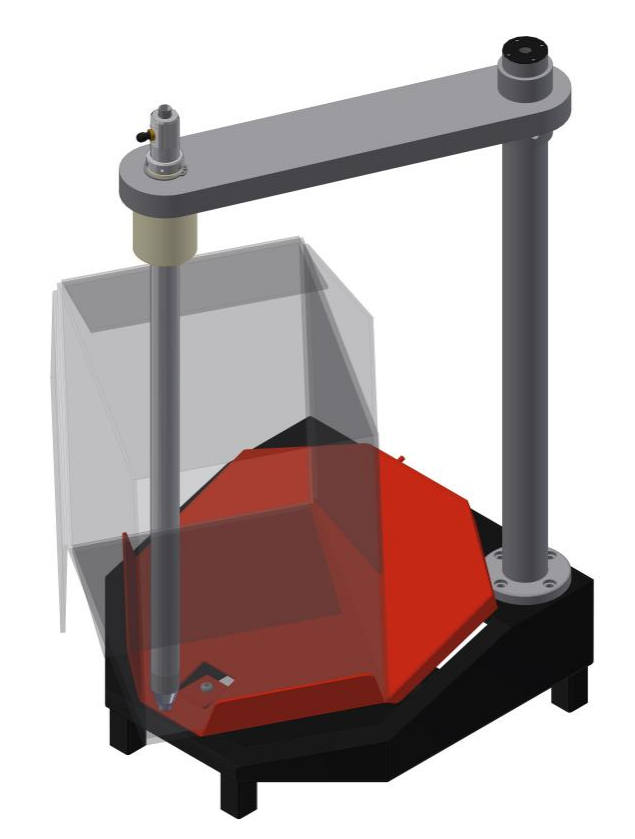
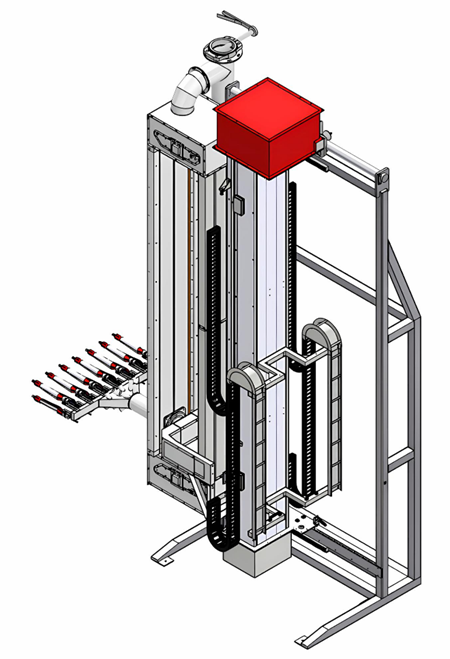
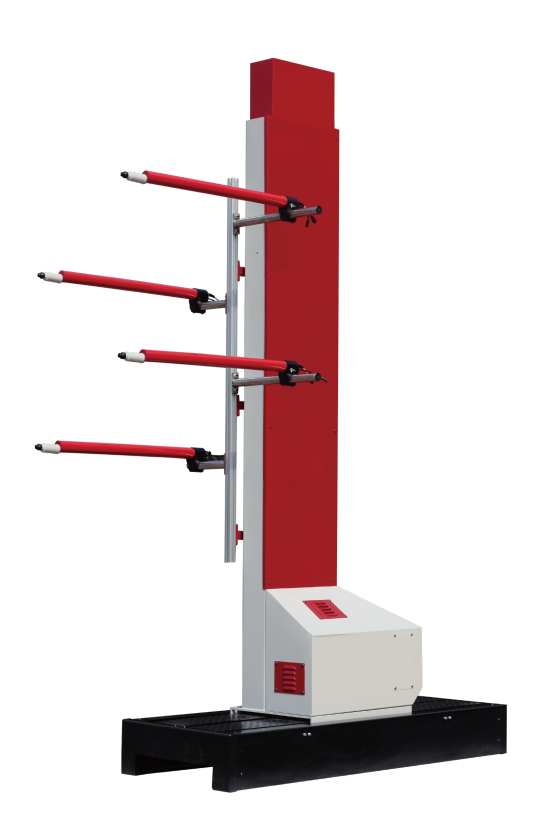
A reciprocator is a mechanical device that converts rotary motion into linear motion. It is commonly used in automated systems to move spray guns or other tools back and forth across a workpiece. This movement ensures even coverage and efficient application of coatings, paints, or other materials.
Importance of Quality in Reciprocators
The quality of a reciprocator directly impacts the efficiency of the coating process. A high-quality reciprocator ensures consistent performance, reduces downtime, and minimizes waste. Therefore, understanding the factors that contribute to the quality of reciprocators is essential for manufacturers and operators alike.
Key Factors Differentiating High-Quality Reciprocators
1. Precision Engineering
Accuracy in Movement
High-quality reciprocators are engineered for precision. They utilize advanced technologies such as servo motors and linear guides to ensure accurate and repeatable movements. This precision is crucial for applications requiring exact material application, such as in automotive or aerospace industries.
Tolerance Levels
The tolerance levels in the manufacturing of reciprocators determine their performance. High-quality reciprocators are built with tight tolerances, which reduce the likelihood of errors during operation. This precision leads to better finish quality and less rework.
2. Durability and Reliability
Material Selection
The materials used in constructing a reciprocator significantly affect its durability. High-quality reciprocators are made from robust materials that can withstand harsh operating conditions, including exposure to chemicals and extreme temperatures. Stainless steel and high-grade aluminum are common choices for their strength and resistance to corrosion.
Maintenance Requirements
A reliable reciprocator requires minimal maintenance. High-quality models are designed with features that reduce wear and tear, such as self-lubricating bearings and sealed components. This design not only extends the lifespan of the equipment but also reduces operational costs associated with maintenance.
3. Versatility
Adaptability to Different Applications
High-quality reciprocators are versatile and can be adapted to various applications. They can handle different types of materials, including liquids, powders, and pastes, making them suitable for a wide range of industries. This adaptability is essential for manufacturers who need to switch between different products or processes.
Customization Options
Many high-quality reciprocators offer customization options to meet specific operational needs. This includes adjustable stroke lengths, speed settings, and the ability to integrate with other automation systems. Customization ensures that the reciprocator can be tailored to the unique requirements of each application.
4. Advanced Control Systems
Automation and Integration
Modern reciprocators are equipped with advanced control systems that allow for seamless integration into automated production lines. These systems enable precise control over the reciprocator's movements, ensuring optimal performance and efficiency.
User-Friendly Interfaces
High-quality reciprocators often feature user-friendly interfaces that simplify operation and programming. Intuitive controls and touchscreen displays make it easier for operators to set parameters and monitor performance, reducing the likelihood of errors.
5. Energy Efficiency
Power Consumption
Energy efficiency is a critical factor in the selection of reciprocators. High-quality models are designed to minimize power consumption while maintaining performance. This not only reduces operational costs but also contributes to sustainability efforts within manufacturing processes.
Eco-Friendly Features
Many high-quality reciprocators incorporate eco-friendly features, such as energy-saving modes and low-emission technologies. These features align with the growing demand for sustainable manufacturing practices and help companies meet regulatory requirements.
Benefits of High-Quality Reciprocators
Enhanced Productivity
High-quality reciprocators contribute to increased productivity by ensuring consistent and efficient operation. Their precision and reliability reduce downtime and rework, allowing manufacturers to meet production targets more effectively.
Improved Finish Quality
The accuracy and control offered by high-quality reciprocators lead to superior finish quality. This is particularly important in industries where aesthetics and performance are critical, such as automotive and consumer goods.
Cost Savings
Investing in a high-quality reciprocator can lead to significant cost savings over time. Reduced maintenance needs, lower energy consumption, and minimized waste all contribute to a more cost-effective operation.
Competitive Advantage
Companies that utilize high-quality reciprocators can gain a competitive advantage in the market. The ability to produce high-quality products efficiently allows them to respond to customer demands more effectively and maintain a strong market position.
Conclusion
In conclusion, the key factors that differentiate a high-quality reciprocator include precision engineering, durability, versatility, advanced control systems, and energy efficiency. Understanding these factors is essential for manufacturers looking to enhance their production processes and improve product quality. By investing in high-quality reciprocators, companies can achieve greater efficiency, reduce costs, and maintain a competitive edge in their respective industries.
Frequently Asked Questions
1. What is the primary function of a reciprocator?
- A reciprocator converts rotary motion into linear motion, typically used to move spray guns or tools in coating applications.
2. How does precision engineering affect reciprocator performance?
- Precision engineering ensures accurate and repeatable movements, leading to better finish quality and reduced errors during operation.
3. What materials are commonly used in high-quality reciprocators?
- High-quality reciprocators are often made from robust materials like stainless steel and high-grade aluminum for durability and corrosion resistance.
4. Why is energy efficiency important in reciprocators?
- Energy efficiency reduces operational costs and supports sustainability efforts, making it a critical factor in the selection of reciprocators.
5. How can high-quality reciprocators provide a competitive advantage?
- They enhance productivity and finish quality, allowing companies to meet customer demands more effectively and maintain a strong market position.
Hot Tags: China, Global, OEM, private label, manufacturers, factory, suppliers, manufacturing company





 CALL US ANY TIME









 Tel: +852 2363 2511
 Fax: +852 2764 0105
 E-mail:

 .
. 