Content Menu
● Understanding Reciprocators
>> What is a Reciprocator?
>> Types of Reciprocators
● Small-Batch Coating with Reciprocators
>> Advantages of Small-Batch Coating
>> Limitations of Small-Batch Coating
● Mass Production Coating with Reciprocators
>> Advantages of Mass Production Coating
>> Limitations of Mass Production Coating
● Key Differences Between Small-Batch and Mass Production Coating
>> Production Volume
>> Setup and Changeover Time
>> Cost Structure
● Choosing the Right Reciprocator for Your Needs
>> Factors to Consider
>> Recommendations
● Conclusion
>> Frequently Asked Questions
In the world of manufacturing, the choice of coating technology can significantly impact production efficiency, cost, and product quality. Among the various methods available, reciprocators stand out as a versatile option for both small-batch and mass production coating processes. This article delves into the differences between using reciprocators for small-batch versus mass production coating, exploring their advantages, limitations, and best applications.
Understanding Reciprocators
What is a Reciprocator?
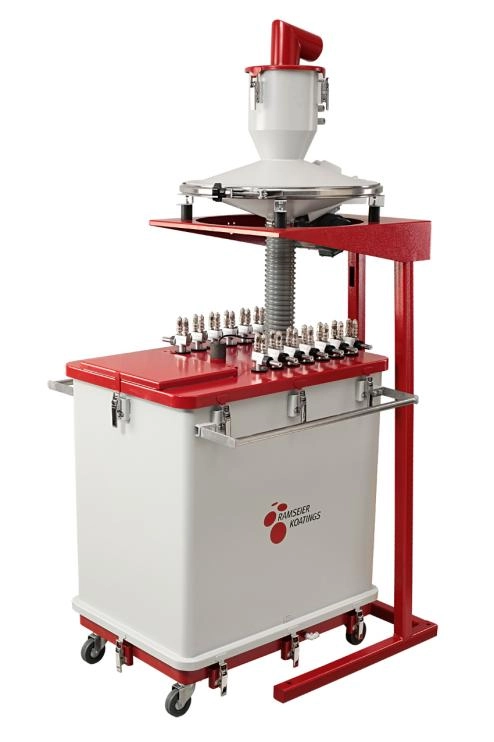
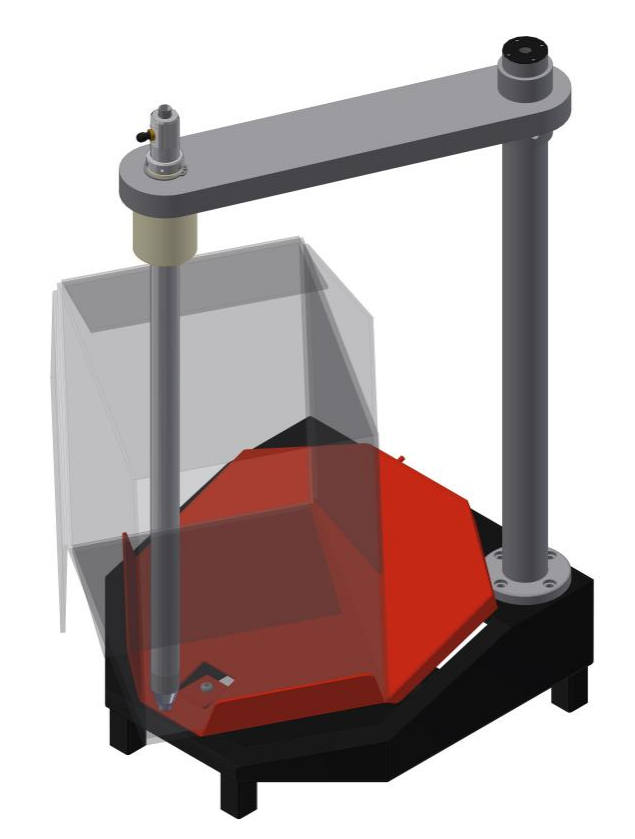
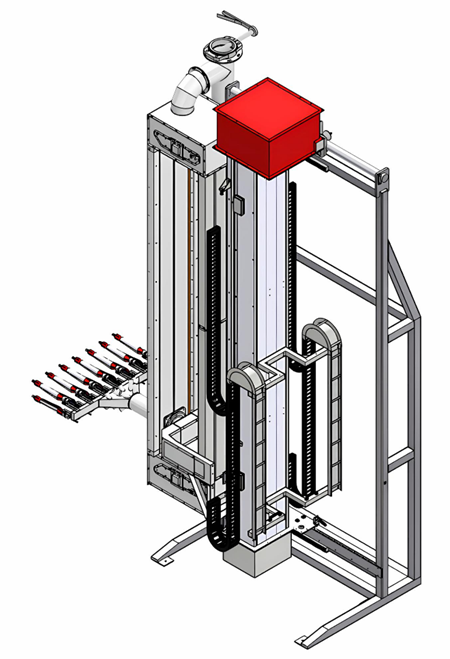
A reciprocator is a mechanical device that moves a spray gun back and forth over a surface to apply coatings uniformly. This technology is widely used in powder coating, liquid painting, and other surface finishing processes. Reciprocators can be automated or manual, with automation providing higher efficiency and consistency.
Types of Reciprocators
1. Manual Reciprocators: These require operator intervention and are typically used for smaller production runs or complex parts that need careful handling.
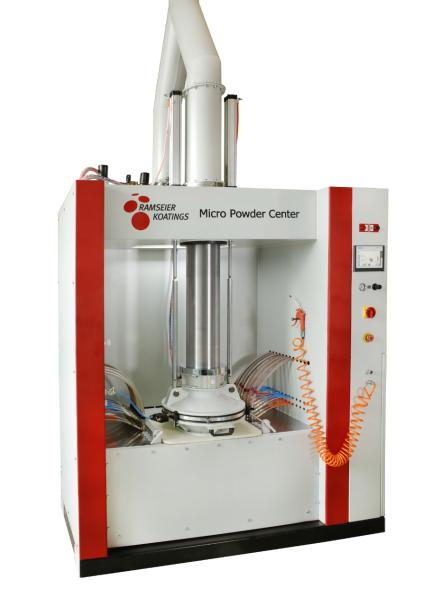
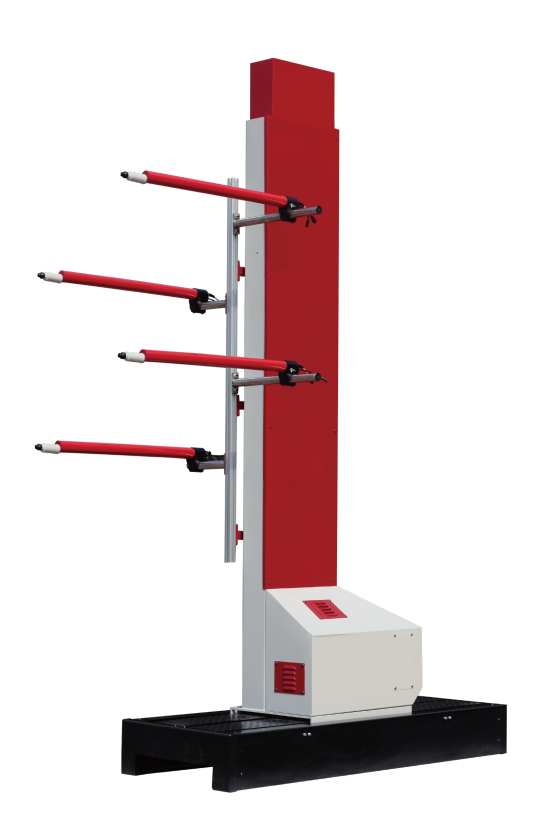
2. Automated Reciprocators: These are integrated into production lines and can operate continuously, making them ideal for high-volume applications.
Small-Batch Coating with Reciprocators
Advantages of Small-Batch Coating
Small-batch coating refers to the production of limited quantities of products, often customized or specialized. Reciprocators in this context offer several benefits:
- Flexibility: They can easily switch between different products and colors, making them suitable for custom jobs.
- Lower Initial Investment: Small-batch operations often require less capital investment in equipment compared to mass production setups.
- Quality Control: Operators can closely monitor the coating process, ensuring high-quality finishes on each piece.
Limitations of Small-Batch Coating
Despite their advantages, small-batch operations using reciprocators also face challenges:
- Higher Cost per Unit: The cost of labor and materials can be higher in small batches, leading to increased unit costs.
- Longer Lead Times: Customization and setup times can extend production schedules, making it less efficient for urgent orders.
Mass Production Coating with Reciprocators
Advantages of Mass Production Coating
Mass production involves creating large quantities of identical products. Reciprocators excel in this environment due to:
- Speed and Efficiency: Automated reciprocators can coat parts quickly, significantly reducing production time.
- Consistency: Automated systems ensure uniform application across all products, minimizing defects and rework.
- Cost-Effectiveness: The high volume of production spreads the fixed costs over many units, lowering the overall cost per item.
Limitations of Mass Production Coating
While mass production offers many benefits, it also has drawbacks:
- Less Flexibility: Once set up for a specific product, changing to a different product can be time-consuming and costly.
- Higher Initial Investment: The cost of automated systems and infrastructure can be substantial, requiring a significant upfront investment.
Key Differences Between Small-Batch and Mass Production Coating
Production Volume
- Small-Batch: Typically involves fewer than 1,000 units per run, focusing on customization and quality.
- Mass Production: Involves thousands to millions of units, emphasizing speed and efficiency.
Setup and Changeover Time
- Small-Batch: Requires more frequent changeovers, which can lead to downtime and increased labor costs.
- Mass Production: Once set up, the system runs continuously with minimal interruptions.
Cost Structure
- Small-Batch: Higher costs per unit due to lower volume and more manual processes.
- Mass Production: Lower costs per unit as fixed costs are distributed over a larger number of units.
Choosing the Right Reciprocator for Your Needs
Factors to Consider
When deciding between small-batch and mass production coating, consider the following factors:
1. Production Volume: Assess your expected output and whether it aligns more with small-batch or mass production.
2. Product Complexity: Determine if your products require customization that may benefit from small-batch processes.
3. Budget: Evaluate your budget for initial investments and ongoing operational costs.
4. Quality Requirements: Consider the level of quality control needed for your products.
Recommendations
- For businesses focusing on custom products or prototypes, investing in a manual or semi-automated reciprocator may be the best choice.
- Companies with stable demand for high-volume products should consider automated reciprocators to maximize efficiency and reduce costs.
Conclusion
In summary, the choice between using reciprocators for small-batch versus mass production coating depends on various factors, including production volume, product complexity, and budget. Understanding the strengths and limitations of each approach can help manufacturers make informed decisions that align with their operational goals.
Frequently Asked Questions
1. What is the main difference between small-batch and mass production coating?
- Small-batch coating focuses on customization and quality for limited quantities, while mass production emphasizes speed and efficiency for large volumes.
2. Can reciprocators be used for both small-batch and mass production?
- Yes, reciprocators can be adapted for both applications, but the setup and operational strategies will differ.
3. What are the cost implications of small-batch versus mass production?
- Small-batch typically has a higher cost per unit due to lower volume and more manual processes, while mass production benefits from economies of scale.
4. How does product complexity affect the choice of coating method?
- More complex products may require the flexibility of small-batch processes, while simpler, standardized products are better suited for mass production.
5. What factors should I consider when choosing a reciprocator?
- Consider production volume, product complexity, budget, and quality requirements when selecting a reciprocator for your coating needs.
Hot Tags: China, Global, OEM, private label, manufacturers, factory, suppliers, manufacturing company





 CALL US ANY TIME









 Tel: +852 2363 2511
 Fax: +852 2764 0105
 E-mail:

 .
. 