Content Menu
● Understanding Powder Hoppers
>> What is a Powder Hopper?
>> Types of Powder Hoppers
● Key Features to Consider
>> 1. Material Compatibility
>> 2. Flow Characteristics
>> 3. Size and Capacity
>> 4. Ease of Cleaning
>> 5. Dust Control
● Comparative Analysis of Popular Powder Hoppers
>> Conical vs. Mass Flow Hoppers
>> Pneumatically Assisted Hoppers
● Cost Considerations
>> Total Cost of Ownership
● Conclusion
● Frequently Asked Questions
>> 1. What is the best type of hopper for cohesive powders?
>> 2. How do I determine the right size hopper for my needs?
>> 3. What materials are best for powder hoppers?
>> 4. How can I minimize dust generation during powder handling?
>> 5. What factors should I consider when evaluating the cost of a powder hopper?
In the world of industrial processing, the choice of equipment can significantly impact efficiency, productivity, and overall operational costs. Among these, powder hoppers play a crucial role in the handling and transfer of bulk powders. This article explores the various types of powder hoppers available, their features, and how to select the best one for high-performance systems.
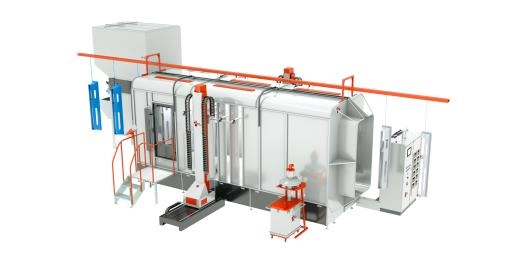
Understanding Powder Hoppers
What is a Powder Hopper?
A powder hopper is a storage container designed to hold bulk powders and facilitate their transfer to processing equipment. These hoppers are essential in industries such as pharmaceuticals, food processing, and chemical manufacturing, where precise handling of powders is critical.
Types of Powder Hoppers
There are several types of powder hoppers, each designed for specific applications and powder characteristics. The most common types include:
- Conical Hoppers: These are the traditional design featuring a conical bottom that funnels powder to a single outlet. They are effective for free-flowing powders but may not perform well with cohesive materials.
- Mass Flow Hoppers: Designed to ensure that all material flows uniformly, mass flow hoppers are ideal for powders that tend to segregate or form stable ratholes. They provide a consistent discharge rate, which is crucial for high-performance applications.
- Pneumatically Assisted Hoppers: These hoppers use air fluidization or vibration to help move cohesive powders. They are particularly useful in applications where powders are sticky or prone to clumping.
- Modular Hoppers: Equipped with internal inserts or flow-promoting devices, modular hoppers can be customized based on the specific characteristics of the powder being handled.
Key Features to Consider
When selecting a powder hopper for high-performance systems, several key features should be considered:
1. Material Compatibility
The material of the hopper should be compatible with the powder being stored. Stainless steel is commonly used due to its durability and resistance to corrosion, making it suitable for a wide range of applications.
2. Flow Characteristics
Understanding the flow characteristics of the powder is essential. Free-flowing powders may perform well in basic conical hoppers, while cohesive powders may require more advanced designs, such as pneumatically assisted hoppers.
3. Size and Capacity
The size of the hopper should match the production requirements. A hopper that is too small may lead to frequent refills, while an oversized hopper can result in increased costs and space usage.
4. Ease of Cleaning
In industries where product changeovers are frequent, the ease of cleaning the hopper is crucial. Hoppers with smooth surfaces and simple designs facilitate quick cleaning and reduce downtime.
5. Dust Control
Effective dust control mechanisms are vital to maintain a safe working environment. Hoppers should be designed to minimize dust generation during filling and discharging processes.
Comparative Analysis of Popular Powder Hoppers
Conical vs. Mass Flow Hoppers
Conical Hoppers:
- Advantages: Simple design, effective for free-flowing powders, lower cost.
- Disadvantages: Poor performance with cohesive powders, potential for ratholing.
Mass Flow Hoppers:
- Advantages: Ensures uniform flow, ideal for cohesive materials, consistent discharge rates.
- Disadvantages: More complex design, higher initial investment.
Pneumatically Assisted Hoppers
Pneumatically assisted hoppers are particularly beneficial for handling sticky or cohesive powders. They incorporate air fluidization or vibration to enhance flowability, making them suitable for high-performance applications where consistency is key.
Cost Considerations
When evaluating the best value for powder hoppers, it is essential to consider both initial costs and long-term operational expenses. While a more expensive hopper may have a higher upfront cost, it could lead to savings in maintenance, downtime, and material waste over time.
Total Cost of Ownership
The total cost of ownership (TCO) includes not only the purchase price but also maintenance costs, energy consumption, and the potential for product loss due to inefficiencies. Investing in a high-quality hopper that meets the specific needs of your operation can lead to significant savings in the long run.
Conclusion
Choosing the right powder hopper for high-performance systems is a critical decision that can impact productivity and efficiency. By understanding the different types of hoppers, their features, and the specific requirements of your application, you can make an informed choice that offers the best value for your operation.

Frequently Asked Questions
1. What is the best type of hopper for cohesive powders?
Answer: Pneumatically assisted hoppers are ideal for cohesive powders as they use air fluidization or vibration to enhance flowability.
2. How do I determine the right size hopper for my needs?
Answer: The right size hopper depends on your production requirements. Consider the volume of powder you need to store and the frequency of use.
3. What materials are best for powder hoppers?
Answer: Stainless steel is commonly used due to its durability and resistance to corrosion, making it suitable for various applications.
4. How can I minimize dust generation during powder handling?
Answer: Choose hoppers with effective dust control mechanisms and ensure they are designed to minimize dust during filling and discharging.
5. What factors should I consider when evaluating the cost of a powder hopper?
Answer: Consider the initial purchase price, maintenance costs, energy consumption, and potential product loss due to inefficiencies.
Hot Tags: China, Global, OEM, private label, manufacturers, factory, suppliers, manufacturing company





 CALL US ANY TIME









 Tel: +852 2363 2511
 Fax: +852 2764 0105
 E-mail:

 .
. 