Content Menu
● Understanding Powder Hoppers
>> What is a Powder Hopper?
>> Types of Powder Hoppers
● The Role of Powder Hoppers in Reducing Downtime
>> Consistent Powder Flow
>> Minimizing Clogging Issues
>> Quick Color Changes
● Enhancing Efficiency with the Right Hopper Design
>> Size and Capacity Considerations
>> Material and Construction Quality
>> Integration with Other Equipment
● Maintenance Practices to Reduce Downtime
>> Regular Inspections
>> Cleaning Protocols
>> Training Operators
● Conclusion
>> Frequently Asked Questions
In the world of powder coating, efficiency and quality are paramount. One of the critical components that can significantly influence these factors is the powder hopper. This article explores how the right powder hopper can reduce downtime in your coating line, enhancing productivity and ensuring a smoother operation.

Understanding Powder Hoppers
What is a Powder Hopper?
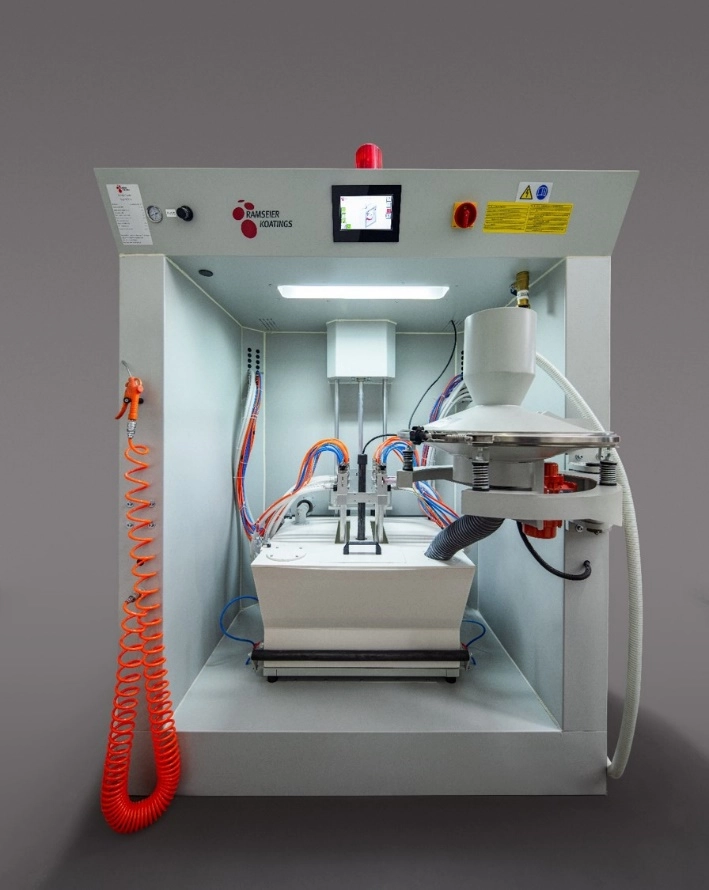
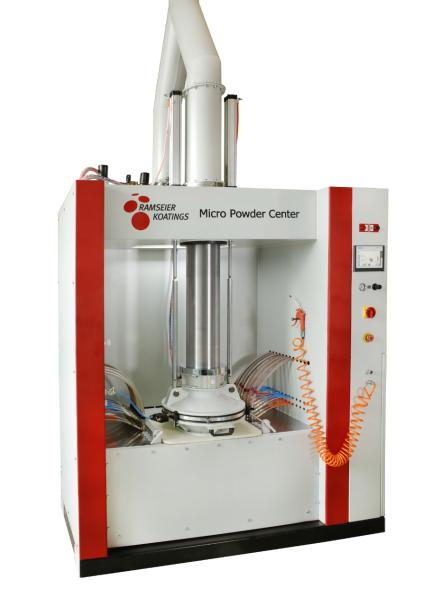
A powder hopper is a storage unit designed to hold and dispense powder coatings in a controlled manner. It plays a vital role in the powder coating process by ensuring a consistent supply of powder to the application equipment. The design and functionality of the hopper can greatly affect the overall efficiency of the coating line.
Types of Powder Hoppers
There are various types of powder hoppers available, each suited for different applications and production needs. Common types include:
- Standard Hoppers: Basic models that provide a straightforward solution for powder storage and dispensing.
- Fluidized Hoppers: These use air to fluidize the powder, ensuring a consistent flow and reducing the risk of clumping.
- Large Capacity Hoppers: Designed for high-volume production, these hoppers can hold significant amounts of powder, minimizing the need for frequent refills.
The Role of Powder Hoppers in Reducing Downtime
Consistent Powder Flow
One of the primary ways a powder hopper reduces downtime is by ensuring a consistent flow of powder to the spray gun. Inconsistent powder delivery can lead to uneven coatings, requiring operators to stop the line for adjustments or repairs. A well-designed hopper minimizes these interruptions by providing a steady supply of fluidized powder.
Minimizing Clogging Issues
Clogging is a common issue in powder coating systems, often caused by poor powder flow or improper hopper design. A quality powder hopper is engineered to minimize these risks. Features such as fluidization and proper airflow can help keep the powder moving smoothly, reducing the frequency of clogs and the associated downtime for cleaning and maintenance.
Quick Color Changes
In many production environments, the ability to change colors quickly is essential. Advanced powder hoppers are designed with features that facilitate rapid color changes, such as quick-clean systems and multiple hoppers for different colors. This capability allows manufacturers to switch between colors without significant delays, thus maintaining production schedules and reducing downtime.
Enhancing Efficiency with the Right Hopper Design
Size and Capacity Considerations
Choosing the right size and capacity for your powder hopper is crucial. A hopper that is too small will require frequent refills, leading to interruptions in the coating process. Conversely, a hopper that is too large may lead to powder degradation if the material sits for extended periods. Assessing your production needs and selecting a hopper that balances capacity with turnover is essential for minimizing downtime.
Material and Construction Quality
The materials used in the construction of the powder hopper also play a significant role in its performance. Hoppers made from high-quality stainless steel or aluminum are easier to clean and less prone to contamination. This quality reduces the risk of downtime associated with maintenance and cleaning, allowing for a more efficient operation.
Integration with Other Equipment
A powder hopper should not operate in isolation. Its integration with other equipment in the coating line, such as spray guns and recovery systems, is vital for overall efficiency. Ensuring that the hopper is compatible with your existing systems can help streamline operations and reduce the likelihood of downtime due to equipment mismatches.
Maintenance Practices to Reduce Downtime
Regular Inspections
Routine inspections of the powder hopper and associated equipment can help identify potential issues before they lead to downtime. Checking for signs of wear, clogs, or leaks can allow for proactive maintenance, keeping the coating line running smoothly.
Cleaning Protocols
Establishing effective cleaning protocols is essential for maintaining the performance of the powder hopper. Regular cleaning prevents contamination and ensures that the powder remains in optimal condition for application. Implementing a quick-clean system can significantly reduce the time spent on maintenance, further minimizing downtime.
Training Operators
Well-trained operators are crucial for the efficient operation of the powder coating line. Providing training on the proper use and maintenance of the powder hopper can help prevent common issues that lead to downtime. Operators should be familiar with troubleshooting techniques and best practices for maintaining a consistent powder flow.
Conclusion
The right powder hopper is a vital component in reducing downtime in your coating line. By ensuring consistent powder flow, minimizing clogging issues, and facilitating quick color changes, a well-designed hopper can significantly enhance the efficiency of your powder coating operations. Additionally, regular maintenance and operator training are essential for maximizing the benefits of your powder hopper.
Frequently Asked Questions
1. What is the primary function of a powder hopper?
- The primary function of a powder hopper is to store and dispense powder coatings in a controlled manner, ensuring a consistent supply to the application equipment.
2. How does a fluidized hopper work?
- A fluidized hopper uses air to fluidize the powder, allowing it to flow more freely and reducing the risk of clumping or clogging.
3. What are the benefits of quick color change systems?
- Quick color change systems allow for rapid switching between different powder colors, minimizing downtime and maintaining production schedules.
4. What materials are best for powder hoppers?
- High-quality stainless steel or aluminum are preferred materials for powder hoppers due to their durability, ease of cleaning, and resistance to contamination.
5. How can regular maintenance reduce downtime?
- Regular maintenance, including inspections and cleaning, helps identify and address potential issues before they lead to significant downtime, ensuring a smoother operation.
Hot Tags: China, Global, OEM, private label, manufacturers, factory, suppliers, manufacturing company





 CALL US ANY TIME









 Tel: +852 2363 2511
 Fax: +852 2764 0105
 E-mail:

 .
. 