Content Menu
● Understanding the Importance of Data Security
>> The Risks of Inadequate Data Security
>> Regulatory Compliance
● Best Practices for Secure Data Storage
>> Implementing Access Controls
>> Data Encryption
>> Regular Data Backups
>> Monitoring and Auditing
● Technologies for Secure Data Storage
>> Cloud Storage Solutions
>> On-Premises Storage Solutions
>> Hybrid Storage Solutions
● Data Management Policies
>> Developing a Data Governance Framework
>> Employee Training and Awareness
● Incident Response Planning
>> Preparing for Data Breaches
>> Post-Incident Analysis
● Conclusion
>> Frequently Asked Questions
In today's digital age, the importance of secure data storage cannot be overstated, especially in specialized fields like industrial coating environments. These settings, which often involve sensitive information related to production processes, customer data, and proprietary formulations, require robust data management strategies to ensure confidentiality, integrity, and availability. This article delves into the critical aspects of secure data storage in industrial coating environments, exploring best practices, technologies, and compliance considerations.
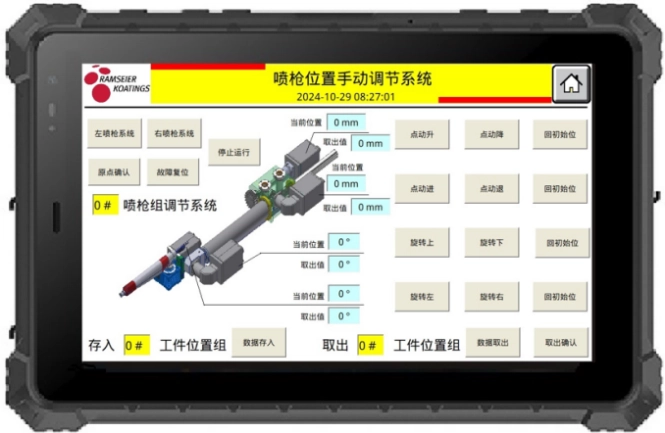
Understanding the Importance of Data Security
The Risks of Inadequate Data Security
In industrial coating environments, data security is paramount. The risks associated with inadequate data protection can lead to significant financial losses, reputational damage, and legal repercussions. Common threats include:
- Cyberattacks: Hackers may target industrial systems to steal sensitive information or disrupt operations.
- Data Breaches: Unauthorized access to data can result in the exposure of confidential information.
- Operational Disruptions: Loss of data can halt production processes, leading to costly downtime.
Regulatory Compliance
Many industries are subject to strict regulations regarding data storage and protection. Compliance with standards such as ISO 27001, GDPR, and HIPAA is essential for maintaining data security and avoiding penalties. Understanding these regulations helps organizations implement appropriate data management practices.
Best Practices for Secure Data Storage
Implementing Access Controls
One of the first steps in securing data is to establish strict access controls. This involves:
- User Authentication: Implementing strong password policies and multi-factor authentication to verify user identities.
- Role-Based Access: Granting data access based on user roles to minimize exposure to sensitive information.
Data Encryption
Data encryption is a critical component of secure data storage. By encrypting data at rest and in transit, organizations can protect sensitive information from unauthorized access. This ensures that even if data is intercepted or accessed without permission, it remains unreadable.
Regular Data Backups
Regular data backups are essential for data recovery in case of loss or corruption. Organizations should:
- Schedule Automatic Backups: Automate the backup process to ensure data is consistently saved.
- Store Backups Offsite: Keep backups in a secure offsite location to protect against physical disasters.
Monitoring and Auditing
Continuous monitoring and auditing of data access and usage can help identify potential security breaches. Organizations should:
- Implement Logging Systems: Track user activities and data access to detect anomalies.
- Conduct Regular Audits: Periodically review data access logs and security measures to ensure compliance and identify vulnerabilities.
Technologies for Secure Data Storage
Cloud Storage Solutions
Cloud storage offers flexibility and scalability for data management. However, it is crucial to choose a reputable provider that prioritizes security. Key considerations include:
- Data Encryption: Ensure that the cloud provider offers robust encryption methods for data at rest and in transit.
- Compliance Certifications: Verify that the provider complies with relevant regulations and standards.
On-Premises Storage Solutions
For organizations that prefer to maintain control over their data, on-premises storage solutions can be a viable option. This approach allows for customized security measures tailored to specific needs. Important factors to consider include:
- Physical Security: Implementing physical security measures, such as access controls and surveillance, to protect data storage facilities.
- Network Security: Utilizing firewalls, intrusion detection systems, and secure network configurations to safeguard data.
Hybrid Storage Solutions
Hybrid storage solutions combine the benefits of both cloud and on-premises storage. This approach allows organizations to store sensitive data on-premises while leveraging the cloud for less critical information. Key advantages include:
- Cost Efficiency: Reducing costs by utilizing cloud storage for non-sensitive data.
- Enhanced Security: Maintaining control over sensitive data while benefiting from the scalability of cloud solutions.
Data Management Policies
Developing a Data Governance Framework
A comprehensive data governance framework is essential for managing data security effectively. This framework should outline:
- Data Classification: Categorizing data based on sensitivity and importance to determine appropriate security measures.
- Data Retention Policies: Establishing guidelines for how long data should be retained and when it should be securely disposed of.
Employee Training and Awareness
Employees play a crucial role in maintaining data security. Regular training and awareness programs can help staff understand the importance of data protection and their responsibilities. Key topics to cover include:
- Phishing Awareness: Educating employees about recognizing and reporting phishing attempts.
- Data Handling Procedures: Providing guidelines on how to handle sensitive data securely.
Incident Response Planning
Preparing for Data Breaches
Despite best efforts, data breaches can still occur. Having a well-defined incident response plan is essential for minimizing damage. Key components of an effective plan include:
- Identification and Containment: Quickly identifying the breach and containing it to prevent further damage.
- Communication: Establishing clear communication channels for notifying affected parties and regulatory bodies.
Post-Incident Analysis
After a data breach, conducting a thorough analysis is crucial for understanding the cause and preventing future incidents. This process should involve:
- Root Cause Analysis: Identifying the underlying factors that led to the breach.
- Policy Review: Evaluating existing data security policies and making necessary adjustments.
Conclusion
Secure data storage in industrial coating environments is a multifaceted challenge that requires a proactive approach. By implementing best practices, leveraging appropriate technologies, and fostering a culture of security awareness, organizations can protect their sensitive data from evolving threats. As the digital landscape continues to change, staying informed and adaptable will be key to maintaining data security.

Frequently Asked Questions
1. What are the most common threats to data security in industrial coating environments?
- Common threats include cyberattacks, data breaches, and operational disruptions.
2. How can organizations ensure compliance with data protection regulations?
- Organizations can ensure compliance by understanding relevant regulations and implementing appropriate data management practices.
3. What role does encryption play in data security?
- Encryption protects sensitive data by making it unreadable to unauthorized users, ensuring confidentiality.
4. Why is employee training important for data security?
- Employee training raises awareness about data protection and equips staff with the knowledge to recognize and respond to security threats.
5. What should be included in an incident response plan?
- An incident response plan should include identification and containment procedures, communication strategies, and post-incident analysis.
Hot Tags: China, Global, OEM, private label, manufacturers, factory, suppliers, manufacturing company





 CALL US ANY TIME











 Tel: +852 2363 2511
 Fax: +852 2764 0105
 E-mail:

 .
. 