Content Menu
● Introduction
● Understanding Swinger Control
>> What is Swinger Control?
>> The Role of Automation in Swinger Control
● The Importance of Data Management
>> What is Data Management?
>> Types of Data in Production
● The Interplay Between Swinger Control and Data Management
>> Enhancing Production Efficiency
>> Predictive Maintenance
● Case Studies
>> Case Study 1: Manufacturing Industry
>> Case Study 2: Construction Sector
● Challenges in Implementing Swinger Control and Data Management
>> Technical Challenges
>> Organizational Resistance
● Future Trends in Swinger Control and Data Management
>> The Rise of Artificial Intelligence
>> Internet of Things (IoT) Integration
● Conclusion
● Questions and Answers
Introduction
In today's fast-paced industrial environment, the efficiency of production processes is paramount. Companies are constantly seeking ways to optimize their operations, reduce costs, and improve output quality. One of the critical factors influencing production efficiency is the management of data and control systems, particularly in industries that utilize complex machinery and processes. This article explores the impact of swinger control and data management on production efficiency, examining how these elements interact to enhance operational performance.
Understanding Swinger Control
What is Swinger Control?
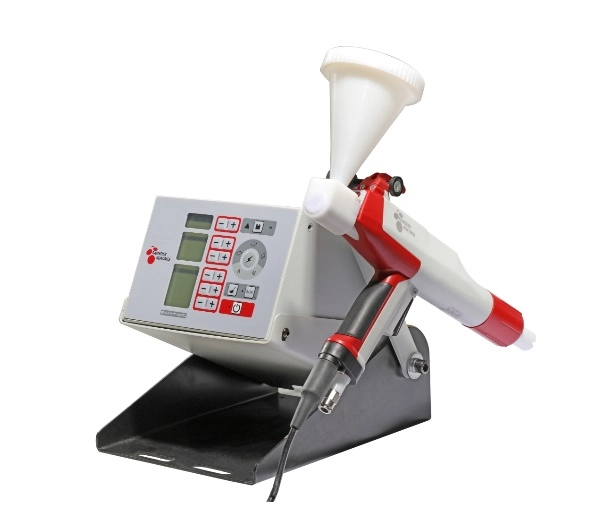
Swinger control refers to the mechanisms and systems used to manage the operation of machinery that swings or pivots during production processes. This type of control is essential in various industries, including manufacturing, construction, and logistics, where equipment such as cranes, conveyor belts, and robotic arms are employed. Effective swinger control ensures that these machines operate smoothly, minimizing downtime and maximizing productivity.
The Role of Automation in Swinger Control
Automation plays a significant role in enhancing swinger control. By integrating advanced technologies such as sensors, actuators, and control algorithms, companies can achieve precise control over swinging mechanisms. Automated systems can adjust the speed, angle, and timing of swings based on real-time data, leading to improved accuracy and efficiency in production tasks.
The Importance of Data Management
What is Data Management?
Data management involves the collection, storage, analysis, and dissemination of data within an organization. In the context of production efficiency, data management is crucial for monitoring performance, identifying bottlenecks, and making informed decisions. Effective data management systems enable companies to harness the power of data to drive improvements in their operations.
Types of Data in Production
In production environments, various types of data are generated, including:
- Operational Data: Information related to the performance of machinery and equipment, such as speed, output, and downtime.
- Quality Data: Metrics that assess the quality of products being produced, including defect rates and compliance with specifications.
- Supply Chain Data: Information regarding the flow of materials and products through the supply chain, including inventory levels and lead times.
The Interplay Between Swinger Control and Data Management
Enhancing Production Efficiency
The integration of swinger control and data management systems can significantly enhance production efficiency. By leveraging data analytics, companies can optimize the performance of swinging machinery, leading to reduced cycle times and increased output. For instance, real-time data can inform operators about the optimal swing angles and speeds required for specific tasks, minimizing waste and improving overall productivity.
Predictive Maintenance
One of the key benefits of effective data management in conjunction with swinger control is the ability to implement predictive maintenance strategies. By analyzing historical data on equipment performance, companies can identify patterns that indicate potential failures. This proactive approach allows for timely maintenance interventions, reducing unplanned downtime and extending the lifespan of machinery.
Case Studies
Case Study 1: Manufacturing Industry
In a manufacturing facility that produces automotive parts, the implementation of advanced swinger control systems combined with robust data management practices led to a 20% increase in production efficiency. By utilizing sensors to monitor the performance of robotic arms, the company was able to adjust swing parameters in real-time, resulting in faster cycle times and reduced material waste.
Case Study 2: Construction Sector
A construction company specializing in high-rise buildings adopted a data-driven approach to manage its crane operations. By integrating data management systems with swinger control technologies, the company improved its project timelines by 15%. The real-time data allowed operators to optimize crane movements, reducing delays caused by inefficient swinging operations.
Challenges in Implementing Swinger Control and Data Management
Technical Challenges
Implementing advanced swinger control and data management systems can pose technical challenges. Companies may face difficulties in integrating new technologies with existing machinery, requiring significant investment in training and infrastructure. Additionally, ensuring data accuracy and reliability is crucial for effective decision-making.
Organizational Resistance
Resistance to change within an organization can hinder the successful implementation of new systems. Employees may be reluctant to adopt new technologies or processes, fearing job displacement or increased workload. Effective change management strategies are essential to address these concerns and foster a culture of innovation.
Future Trends in Swinger Control and Data Management
The Rise of Artificial Intelligence
Artificial intelligence (AI) is poised to revolutionize swinger control and data management in production environments. AI algorithms can analyze vast amounts of data to identify trends and make real-time adjustments to machinery operations. This capability will enhance efficiency and enable companies to respond quickly to changing production demands.
Internet of Things (IoT) Integration
The integration of IoT devices into production systems will further enhance swinger control and data management. IoT sensors can provide real-time data on equipment performance, enabling more precise control and monitoring. This connectivity will facilitate better decision-making and improve overall production efficiency.
Conclusion
The impact of swinger control and data management on production efficiency cannot be overstated. By effectively managing data and implementing advanced control systems, companies can optimize their operations, reduce costs, and improve product quality. As technology continues to evolve, the integration of AI and IoT will further enhance these capabilities, paving the way for more efficient and responsive production environments.
Questions and Answers
1. What is swinger control?
- Swinger control refers to the management systems used to operate machinery that swings or pivots during production processes.
2. How does data management impact production efficiency?
- Effective data management allows companies to monitor performance, identify bottlenecks, and make informed decisions, leading to improved production efficiency.
3. What are the benefits of predictive maintenance?
- Predictive maintenance helps reduce unplanned downtime and extends the lifespan of machinery by identifying potential failures before they occur.
4. What challenges are associated with implementing new technologies?
- Technical challenges include integration with existing systems, while organizational resistance can hinder the adoption of new processes.
5. What future trends are expected in this field?
- The rise of artificial intelligence and the integration of IoT devices are expected to enhance swinger control and data management, leading to greater production efficiency.
Hot Tags: China, Global, OEM, private label, manufacturers, factory, suppliers, manufacturing company





 CALL US ANY TIME









 Tel: +852 2363 2511
 Fax: +852 2764 0105
 E-mail:

 .
. 