Content Menu
● Introduction
● Understanding Surface Finishing
>> What is Surface Finishing?
>> Importance of Surface Finishing
● The Role of Data Management in Surface Finishing
>> Data Management Challenges
>> The Need for AI-Driven Solutions
● Benefits of AI-Driven Data Management Systems
>> Enhanced Data Processing
>> Predictive Maintenance
>> Quality Control
>> Cost Reduction
● Applications of AI in Surface Finishing
>> Automated Process Monitoring
>> Intelligent Decision Support
>> Supply Chain Optimization
● Future Prospects of AI in Surface Finishing
>> Integration with Industry 4.0
>> Advancements in Machine Learning
>> Sustainability and Environmental Impact
● Challenges and Considerations
>> Data Security and Privacy
>> Integration with Legacy Systems
>> Skill Gap and Workforce Training
● Conclusion
● Questions and Answers
Introduction
In the rapidly evolving landscape of manufacturing, surface finishing plays a crucial role in enhancing the aesthetic and functional properties of products. As industries strive for efficiency and quality, the integration of artificial intelligence (AI) into data management systems has emerged as a transformative approach. This article delves into the significance of AI-driven data management systems in surface finishing, exploring their benefits, applications, and future prospects.

Understanding Surface Finishing
What is Surface Finishing?
Surface finishing refers to the process of altering the surface of a manufactured item to achieve specific characteristics. These characteristics may include improved appearance, enhanced corrosion resistance, reduced friction, and increased durability. Common surface finishing techniques include polishing, coating, plating, and anodizing.
Importance of Surface Finishing
The importance of surface finishing cannot be overstated. It not only affects the product's performance but also influences customer satisfaction and market competitiveness. In industries such as automotive, aerospace, and electronics, the quality of surface finishing can determine the success of a product.
The Role of Data Management in Surface Finishing
Data Management Challenges
In surface finishing, data management involves collecting, analyzing, and utilizing data from various processes. However, traditional data management systems often face challenges such as data silos, lack of real-time insights, and inefficient data processing. These challenges can hinder decision-making and lead to suboptimal production outcomes.
The Need for AI-Driven Solutions
AI-driven data management systems offer a solution to these challenges by leveraging machine learning algorithms and advanced analytics. These systems can process vast amounts of data in real-time, providing manufacturers with actionable insights that enhance operational efficiency and product quality.
Benefits of AI-Driven Data Management Systems
Enhanced Data Processing
AI-driven systems can analyze data at unprecedented speeds, allowing manufacturers to identify trends and anomalies quickly. This capability enables proactive decision-making, reducing downtime and improving overall productivity.
Predictive Maintenance
One of the significant advantages of AI in data management is predictive maintenance. By analyzing historical data and machine performance, AI algorithms can predict when equipment is likely to fail. This foresight allows manufacturers to schedule maintenance activities, minimizing disruptions and extending the lifespan of machinery.
Quality Control
AI-driven data management systems can significantly improve quality control processes. By continuously monitoring production data, these systems can detect deviations from quality standards in real-time. This immediate feedback allows for quick corrective actions, ensuring that products meet the required specifications.
Cost Reduction
Implementing AI-driven data management systems can lead to substantial cost savings. By optimizing processes, reducing waste, and minimizing downtime, manufacturers can lower operational costs. Additionally, improved quality control reduces the likelihood of costly recalls and rework.
Applications of AI in Surface Finishing
Automated Process Monitoring
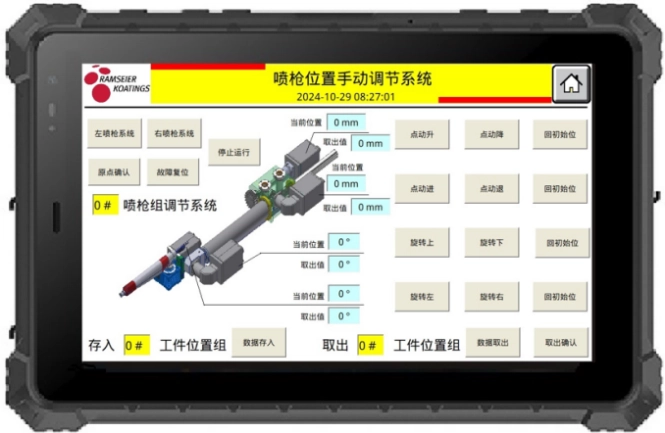
AI technologies can automate the monitoring of surface finishing processes. Sensors and IoT devices collect data on various parameters, such as temperature, pressure, and chemical composition. AI algorithms analyze this data to ensure that processes remain within optimal ranges, enhancing consistency and quality.
Intelligent Decision Support
AI-driven data management systems provide intelligent decision support by analyzing historical data and current conditions. For instance, if a particular finishing technique consistently yields better results under specific conditions, the system can recommend adjustments to optimize production.
Supply Chain Optimization
AI can also enhance supply chain management in surface finishing. By analyzing data from suppliers, production schedules, and inventory levels, AI systems can predict demand fluctuations and optimize inventory management. This capability ensures that manufacturers have the right materials at the right time, reducing delays and costs.
Future Prospects of AI in Surface Finishing
Integration with Industry 4.0
The future of surface finishing is closely tied to the broader trend of Industry 4.0, characterized by the integration of digital technologies into manufacturing. AI-driven data management systems will play a pivotal role in this transformation, enabling smart factories that leverage real-time data for continuous improvement.
Advancements in Machine Learning
As machine learning algorithms continue to evolve, their applications in surface finishing will expand. Future systems may incorporate advanced techniques such as deep learning, allowing for even more sophisticated data analysis and decision-making capabilities.
Sustainability and Environmental Impact
AI-driven data management systems can also contribute to sustainability efforts in surface finishing. By optimizing processes and reducing waste, manufacturers can minimize their environmental footprint. Additionally, AI can help identify eco-friendly materials and processes, aligning with the growing demand for sustainable manufacturing practices.
Challenges and Considerations
Data Security and Privacy
While AI-driven data management systems offer numerous benefits, they also raise concerns regarding data security and privacy. Manufacturers must implement robust security measures to protect sensitive information from cyber threats.
Integration with Legacy Systems
Many manufacturers still rely on legacy systems for data management. Integrating AI-driven solutions with these existing systems can be challenging and may require significant investment in technology and training.
Skill Gap and Workforce Training
The successful implementation of AI-driven data management systems requires a skilled workforce. Manufacturers must invest in training programs to equip employees with the necessary skills to operate and maintain these advanced systems.
Conclusion
AI-driven data management systems are revolutionizing the surface finishing industry by enhancing efficiency, quality, and sustainability. As manufacturers continue to embrace these technologies, the potential for innovation and improvement in surface finishing processes is immense. By addressing the challenges associated with data management and investing in AI solutions, companies can position themselves for success in an increasingly competitive market.
Questions and Answers
1. What are the main benefits of AI-driven data management systems in surface finishing?
- The main benefits include enhanced data processing, predictive maintenance, improved quality control, and cost reduction.
2. How does AI contribute to predictive maintenance in manufacturing?
- AI analyzes historical data and machine performance to predict potential failures, allowing for timely maintenance and minimizing downtime.
3. What role does AI play in quality control for surface finishing?
- AI continuously monitors production data to detect deviations from quality standards in real-time, enabling quick corrective actions.
4. What challenges do manufacturers face when implementing AI-driven data management systems?
- Challenges include data security and privacy concerns, integration with legacy systems, and the need for workforce training.
5. How can AI-driven systems contribute to sustainability in surface finishing?
- By optimizing processes and reducing waste, AI can help manufacturers minimize their environmental impact and identify eco-friendly materials.
Hot Tags: China, Global, OEM, private label, manufacturers, factory, suppliers, manufacturing company





 CALL US ANY TIME










 Tel: +852 2363 2511
 Fax: +852 2764 0105
 E-mail:

 .
. 