
 CALL US ANY TIME
+852 2363 2511
CALL US ANY TIME


Author: ramseierkoatings Publish Time: 2025-10-17 Origin: Site


Content Menu
● Understanding the Importance of Powder Hoppers in Quick Color Change
>> Role of Powder Hoppers in Manufacturing
>> Challenges in Quick Color Change Applications
● Major Types of Powder Hoppers for Quick Color Change
>> 1. Standard Fixed Powder Hopper
>>> Description
>>> Pros
>>> Cons
>>> Description
>>> Pros
>>> Cons
>>> Description
>>> Pros
>>> Cons
>> 4. Pneumatic or Fluidized Bed Hopper
>>> Description
>>> Pros
>>> Cons
● Key Features to Look for in Quick Color Change Powder Hoppers
>> Material and Surface Finish
>> Easy Disassembly and Cleaning
>> Residue Minimization Design
>> Automation and Integration Capability
● Comparative Analysis of Powder Hopper Types for Quick Color Change
● Best Practices for Implementing Quick Color Change Powder Hoppers
>> Standardize Cleaning Procedures
>> Use Visual Aids and Automation
>> Maintain Spare Parts and Liners
● Case Study: Successful Implementation of Modular Hoppers in a Plastic Manufacturing Facility
● Conclusion: Choosing the Best Powder Hopper for Quick Color Change
● Frequently Asked Questions (FAQs)
>> 1. How does a modular hopper speed up color change?
>> 2. Are disposable liner hoppers environmentally friendly?
>> 3. Can pneumatic hoppers handle all powder types?
>> 4. What materials are best for powder hopper construction?
>> 5. How often should powder hoppers be cleaned during color changes?
In industries where powders are handled—especially in plastic, food, chemical, or pharmaceutical manufacturing—quick color change applications are crucial for maximizing efficiency and reducing downtime. One of the key components impacting this process is the powder hopper. Selecting the right type of powder hopper can dramatically improve speed, cleanliness, and adaptability during color changes.
This article explores the types of powder hoppers available, their features, pros and cons, and how to determine which type suits quick color change applications best.
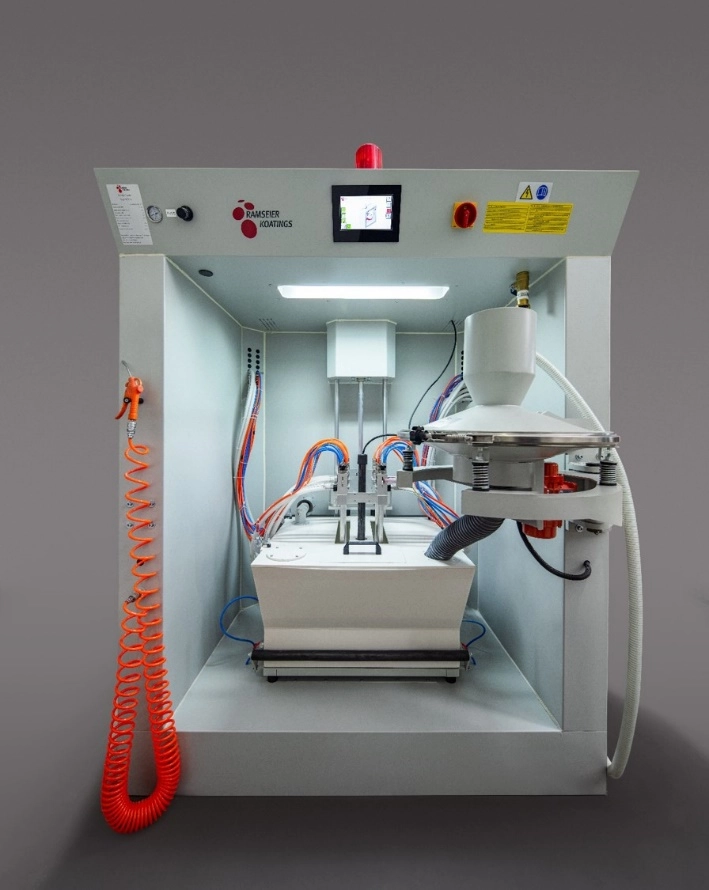
Powder hoppers are storage vessels designed to hold and dispense powdered materials in a controlled manner. They facilitate consistent feeding of raw powders into processes, maintaining a stable supply for mixing, molding, extrusion, or packaging. The hopper's design and material have a direct impact on powder flow, contamination risk, and ease of cleaning.
Quick color change applications demand rapid switching between different colored powders without cross-contamination, minimizing waste and cleaning time. The challenges include:
- Residual powder in the hopper causing contamination.
- Time-consuming cleaning procedures.
- Difficulty in material flow causing blockages or uneven feeding.
- Flexibility for handling multiple powder types.
Choosing the ideal hopper type that addresses these is paramount.
A fixed hopper is a stationary vessel integrated into the processing line. It is typically made of stainless steel or other food-grade materials. The powders flow out through gravity or mechanical agitation.
- Strong and durable construction.
- Suitable for high-volume continuous operation.
- Well-established technology with widespread availability.
- Cleaning and color changes are slow and labor-intensive.
- Retains residual powder, risking contamination.
- Limited flexibility in rapid product changeover.
Modular hoppers consist of removable sections or modules that can be detached quickly for cleaning or replacement. Designed specifically to aid fast color transitions.
- Reduces cleaning time by allowing quicker disassembly.
- Flexible configuration for different powders or batch sizes.
- Minimizes cross-contamination.
- May have higher initial investment.
- Requires trained operators to manage assembly/disassembly.
- Potential for leaks if not properly sealed after reassembly.
These hoppers use single-use liners or bags inside a reusable cage or frame, holding powders. When color change is needed, the entire liner is replaced.
- Near-zero cleaning effort; just replace the liner.
- Eliminates cross-contamination risks thoroughly.
- Ideal for sensitive applications needing rapid color switches.
- Generates liner waste and ongoing material cost.
- May not be suitable for large volumes.
- Requires proper liner storage and disposal procedures.
These hoppers utilize air flow to fluidize powder, preventing clumps and enabling consistent flow. Pneumatic designs often include quick-release features.
- Excellent powder flow, reducing blockages.
- Can facilitate faster emptying during color change.
- Enhances powder homogeneity during processing.
- More complex system with air compressors and controls.
- Higher maintenance requirements.
- Potentially higher energy consumption.
Smooth, non-porous surfaces (e.g., polished stainless steel) prevent powders from sticking, reduce residues, and make cleaning quicker. FDA-compliant materials are crucial for food and pharmaceutical applications.
Hoppers designed with quick-release clamps, hinge doors, or modular parts enable faster access for cleaning and maintenance. Some come with clean-in-place (CIP) systems.
Angles inside the hopper, vibration mechanisms, or fluidization reduce powder buildup or bridging, preventing product contamination during color switches.
Hoppers should balance capacity for batch size with the physical footprint to fit within the existing production line without causing bottlenecks in cleaning.
Smart sensors and automation can detect powder levels and trigger cleaning cycles or color change protocols, enhancing operational efficiency.
| Hopper Type | Cleaning Speed | Contamination Risk | Cost | Flexibility | Suitable Volume |
|---|---|---|---|---|---|
| Fixed Hopper | Slow | High (residual) | Low | Low | Large volumes |
| Modular Hopper | Moderate to Fast | Low | Medium | High | Medium to large |
| Disposable Liner Hopper | Fast | Very Low | Higher ongoing | Very High | Small to medium |
| Pneumatic Hopper | Moderate | Low | High | Medium | Medium to large |
Define step-by-step cleaning processes including cleaning agents, disassembly instructions, and quality checks to minimize downtime and avoid contamination.
Ensure operators understand hopper operation, cleaning, and assembly to reduce errors and speed up changeover times.
Label parts clearly, incorporate sensors for powder residue detection, and automate cleaning cycles when possible.
Have spare liners, seals, clamps, and other parts ready to avoid delays during urgent changeovers.
A global plastic packaging company switched from a standard fixed hopper to a modular design to improve their color change throughput. By installing quick-release clamps and using polished stainless steel modules, they reduced cleaning time by 50%, cut color contamination incidents drastically, and increased overall line efficiency. Operator training and automation integration were key contributors to their success.
The ideal powder hopper for quick color change applications depends on specific production needs, including volume, product sensitivity, and budget. Modular and disposable liner hoppers generally offer significant advantages for fast cleaning and low contamination risk. Pneumatic hoppers excel in powder flow but may add complexity. Fixed hoppers remain economical for simple, high-volume continuous processes but are less suited to rapid color changes.
Selecting a hopper with smooth surfaces, quick disassembly, residue management, and automation integration will optimize the quick color change process and boost manufacturing efficiency.

Modular hoppers allow sections to be easily removed and cleaned or swapped out, reducing cleaning time compared to fixed designs.
While they reduce cleaning needs and contamination risk, liner disposal creates waste, so recycling options and waste management should be considered.
Pneumatic hoppers work best with powders that can be fluidized by air. Very coarse or sticky powders might require alternative systems.
Stainless steel with polished surfaces is typically preferred for cleanability and safety, especially in food and pharmaceutical industries.
Cleaning frequency depends on powder type and production requirements, but thorough cleaning must occur between different color batches to avoid contamination.
Hot Tags: China, Global, OEM, private label, manufacturers, factory, suppliers, manufacturing company









 9/F,Hung Tak Building,106-108 Des Voeux Road Central,Hong Kong
 Tel: +852 2363 2511
 Fax: +852 2764 0105
 E-mail: info@ramseierkoatings.com


 .
.


