Content Menu
● Introduction
● Understanding Reciprocators
>> What is a Reciprocator?
>> Types of Reciprocators
● Key Features of European-Standard Reciprocators
>> Precision Engineering
>> Advanced Control Systems
>> Compliance with Safety Standards
● Benefits of Using European-Standard Reciprocators
>> Enhanced Efficiency
>> Versatility Across Industries
>> Long-Term Reliability
● The Global Market Landscape
>> Competitive Advantage
>> Emerging Markets
>> Sustainability and Innovation
● Challenges in the Market
>> Cost Considerations
>> Competition from Low-Cost Alternatives
● Future Trends in Reciprocator Technology
>> Automation and Industry 4.0
>> Customization and Flexibility
● Conclusion
● Frequently Asked Questions
>> Q1: What are the main advantages of European-standard reciprocators?
>> Q2: How do European-standard reciprocators compare to low-cost alternatives?
>> Q3: In which industries are European-standard reciprocators commonly used?
>> Q4: What role does sustainability play in the design of European-standard reciprocators?
>> Q5: How is technology influencing the future of reciprocators?
Introduction
In the realm of industrial automation, reciprocators play a pivotal role in enhancing efficiency and precision in various manufacturing processes. European-standard reciprocators, in particular, have gained a reputation for their superior quality, advanced technology, and adherence to stringent safety and performance standards. This article delves into the unique features that set European-standard reciprocators apart in the global market, exploring their design, functionality, and the benefits they offer to manufacturers worldwide.
Understanding Reciprocators
What is a Reciprocator?
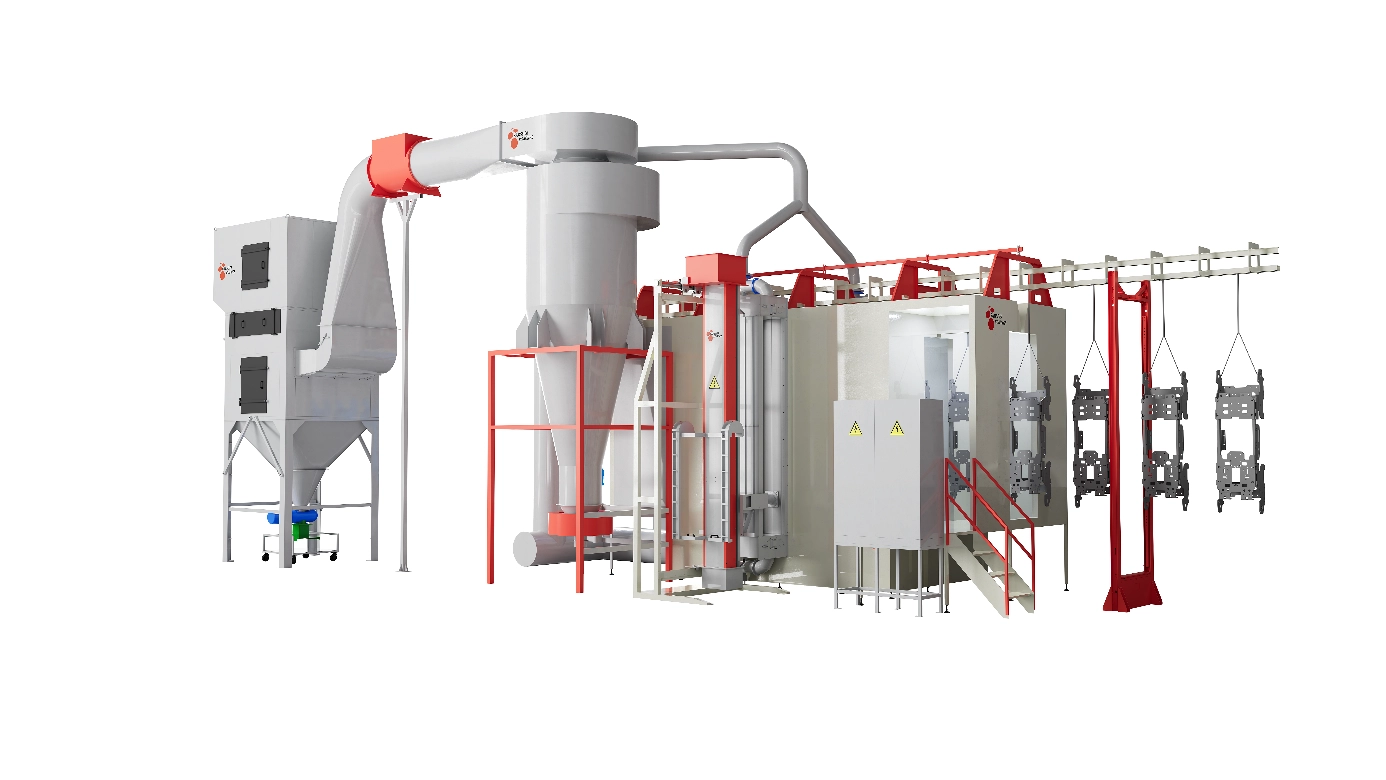
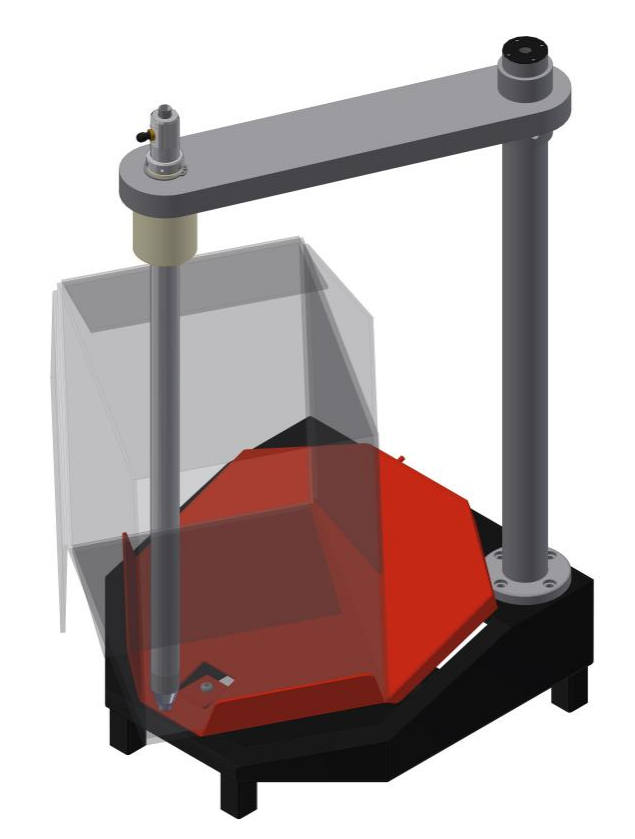
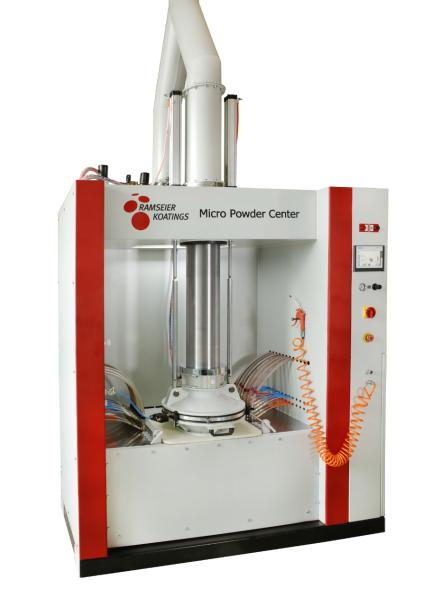
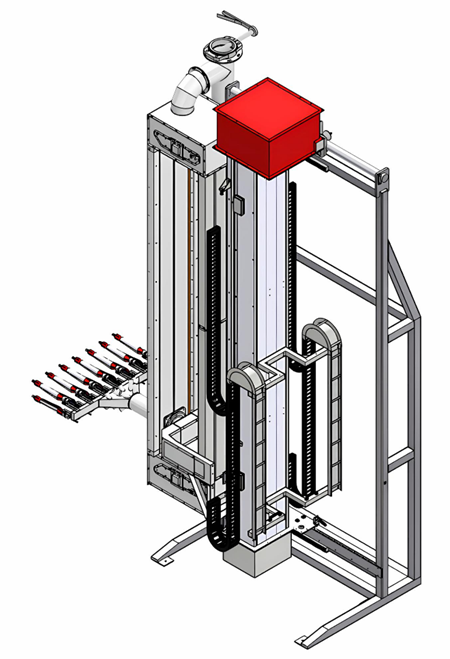
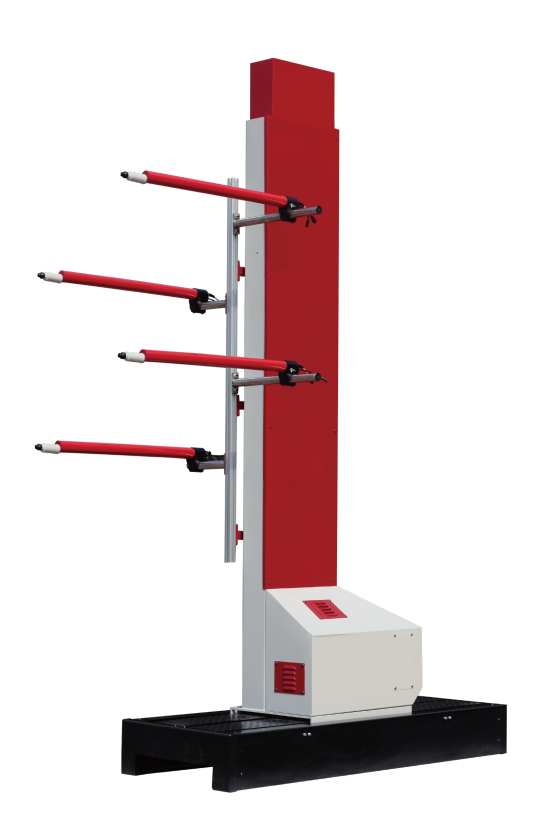
A reciprocator is a mechanical device that converts rotary motion into linear motion. It is primarily used in applications such as powder coating, painting, and other automated processes where precise material application is required. The reciprocating motion ensures uniform coverage and reduces material waste, making it an essential tool in modern manufacturing.
Types of Reciprocators
Reciprocators can be categorized into several types based on their design and application:
- Electric Reciprocators: These use electric motors to drive the reciprocating motion, offering high precision and control.
- Pneumatic Reciprocators: Utilizing compressed air, these are often lighter and more flexible, suitable for various applications.
- Hydraulic Reciprocators: Known for their power and efficiency, hydraulic systems are ideal for heavy-duty applications.
Key Features of European-Standard Reciprocators
Precision Engineering
One of the standout features of European-standard reciprocators is their precision engineering. These machines are designed with meticulous attention to detail, ensuring that every component works harmoniously to achieve optimal performance. The use of high-quality materials and advanced manufacturing techniques contributes to their durability and reliability.
Advanced Control Systems
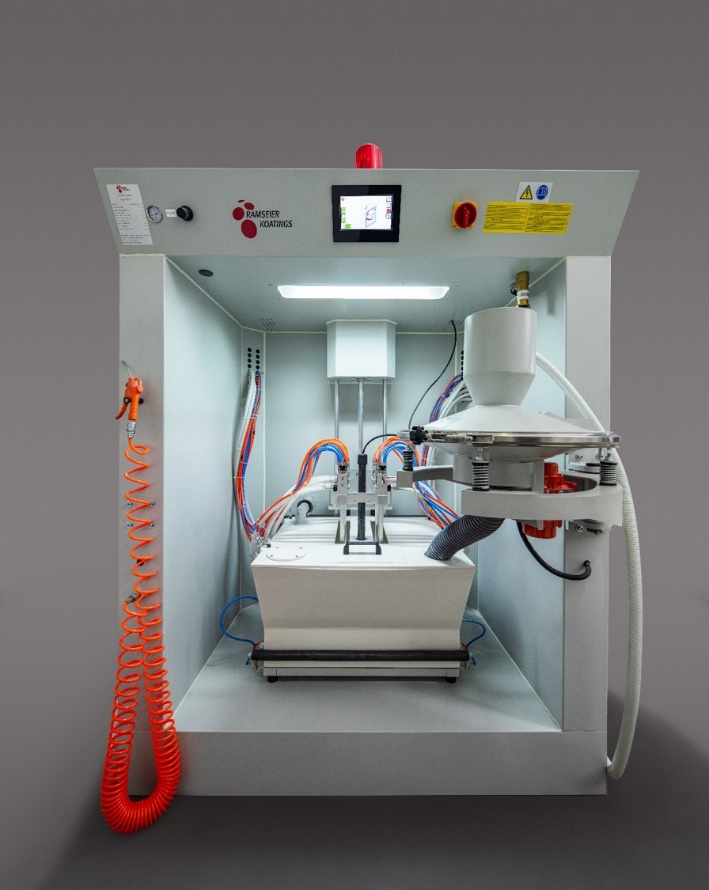
European reciprocators are often equipped with sophisticated control systems that allow for fine-tuning of the reciprocating motion. This includes programmable logic controllers (PLCs) and user-friendly interfaces that enable operators to set specific parameters for speed, stroke length, and material application rates. Such advanced controls enhance the versatility of these machines, making them suitable for a wide range of applications.
Compliance with Safety Standards
Safety is a paramount concern in industrial settings, and European-standard reciprocators are designed to meet rigorous safety regulations. They incorporate features such as emergency stop buttons, safety guards, and fail-safe mechanisms to protect operators and equipment. Compliance with European safety standards not only ensures the safety of the workforce but also enhances the overall reliability of the machinery.
Benefits of Using European-Standard Reciprocators
Enhanced Efficiency
The design and technology behind European-standard reciprocators contribute to increased efficiency in manufacturing processes. Their precise motion reduces material waste and ensures consistent application, leading to higher quality products. This efficiency translates into cost savings for manufacturers, making these machines a worthwhile investment.
Versatility Across Industries
European-standard reciprocators are used across various industries, including automotive, aerospace, and consumer goods. Their adaptability allows manufacturers to utilize them for different applications, from painting and coating to adhesive application and testing. This versatility makes them an attractive option for companies looking to streamline their production processes.
Long-Term Reliability
Investing in high-quality European-standard reciprocators means investing in long-term reliability. These machines are built to withstand the rigors of continuous operation, reducing downtime and maintenance costs. Manufacturers can rely on their performance, knowing that they are equipped with some of the best technology available in the market.
The Global Market Landscape
Competitive Advantage
European-standard reciprocators hold a competitive advantage in the global market due to their reputation for quality and performance. While there are many manufacturers worldwide, the stringent standards and innovative designs of European machines set them apart. This reputation allows European manufacturers to command higher prices, reflecting the value they provide.
Emerging Markets
As industrialization continues to grow in emerging markets, the demand for high-quality reciprocators is on the rise. Countries in Asia-Pacific, for instance, are increasingly investing in advanced manufacturing technologies, creating opportunities for European manufacturers to expand their reach. The combination of quality and performance makes European-standard reciprocators an appealing choice for these markets.
Sustainability and Innovation
Sustainability is becoming a critical factor in manufacturing, and European-standard reciprocators are at the forefront of this trend. Many manufacturers are focusing on developing energy-efficient machines that minimize environmental impact. Innovations such as reduced energy consumption and the use of recyclable materials in construction are becoming standard practices, aligning with global sustainability goals.
Challenges in the Market
Cost Considerations
While the benefits of European-standard reciprocators are clear, the initial investment can be a barrier for some manufacturers. The high-quality materials and advanced technology come at a premium, which may deter smaller companies from making the switch. However, the long-term savings and efficiency gains often justify the upfront costs.
Competition from Low-Cost Alternatives
The global market is flooded with low-cost alternatives, particularly from regions with lower manufacturing costs. These machines may offer basic functionality but often lack the precision and reliability of European-standard reciprocators. Manufacturers must weigh the risks of investing in cheaper options against the potential long-term benefits of higher-quality machines.
Future Trends in Reciprocator Technology
Automation and Industry 4.0
The rise of Industry 4.0 is transforming manufacturing processes, and reciprocators are no exception. The integration of IoT (Internet of Things) technology allows for real-time monitoring and data analysis, enabling manufacturers to optimize their operations further. European-standard reciprocators are increasingly being designed with these capabilities in mind, ensuring they remain relevant in a rapidly evolving market.
Customization and Flexibility
As manufacturers seek to differentiate their products, the demand for customized solutions is growing. European-standard reciprocators are being developed with modular designs that allow for easy customization. This flexibility enables manufacturers to adapt their machines to specific production needs, enhancing their competitive edge.
Conclusion
European-standard reciprocators stand out in the global market due to their precision engineering, advanced control systems, and compliance with safety standards. Their benefits, including enhanced efficiency, versatility, and long-term reliability, make them a preferred choice for manufacturers across various industries. As the market continues to evolve, these machines will play a crucial role in shaping the future of industrial automation.
Frequently Asked Questions
Q1: What are the main advantages of European-standard reciprocators?
A1: The main advantages include precision engineering, advanced control systems, compliance with safety standards, enhanced efficiency, and long-term reliability.
Q2: How do European-standard reciprocators compare to low-cost alternatives?
A2: While low-cost alternatives may be cheaper initially, European-standard reciprocators offer superior quality, precision, and reliability, leading to better long-term performance and cost savings.
Q3: In which industries are European-standard reciprocators commonly used?
A3: They are commonly used in industries such as automotive, aerospace, consumer goods, and any sector requiring precise material application.
Q4: What role does sustainability play in the design of European-standard reciprocators?
A4: Sustainability is increasingly important, with manufacturers focusing on energy-efficient designs and the use of recyclable materials to minimize environmental impact.
Q5: How is technology influencing the future of reciprocators?
A5: Technology, particularly IoT and automation, is driving advancements in reciprocators, allowing for real-time monitoring, data analysis, and greater customization options.
Hot Tags: China, Global, OEM, private label, manufacturers, factory, suppliers, manufacturing company





 CALL US ANY TIME









 Tel: +852 2363 2511
 Fax: +852 2764 0105
 E-mail:

 .
. 