Content Menu
● What is an Intelligent Reciprocator?
>> Understanding Reciprocators in Coating Lines
>> The Intelligence Factor
● Benefits of Upgrading to Intelligent Reciprocators
>> Enhanced Coating Quality
>> Increased Productivity
>> Material Savings and Sustainability
>> Better Process Monitoring and Control
● Key Features to Look for in Intelligent Reciprocators
>> Programmable Stroke Length and Speed
>> Real-Time Feedback and Adjustment
>> Compatibility with Existing Systems
>> User-Friendly Interface
● Integration Process for Upgrading Your Coating Line
>> Assessment of Current Equipment and Needs
>> Selecting Appropriate Reciprocator Models
>> Installation and Commissioning
>> Staff Training and Change Management
● Impact on Maintenance and Operational Costs
>> Predictive Maintenance Capabilities
>> Reduced Wear and Tear
>> Lower Operational Costs
● Case Study: Transformation of an Automotive Coating Line
● Future Trends in Intelligent Coating Line Equipment
>> Integration of Artificial Intelligence
>> Internet of Things (IoT) Connectivity
>> Enhanced Customization and Flexibility
● Frequently Asked Questions
In today's highly competitive manufacturing landscape, enhancing productivity, quality, and operational efficiency is paramount. For industries utilizing coating lines, the integration of intelligent reciprocators represents a significant step forward. These advanced devices improve precision, reduce material waste, and streamline operations, making them indispensable for modern coating processes.
What is an Intelligent Reciprocator?
Understanding Reciprocators in Coating Lines
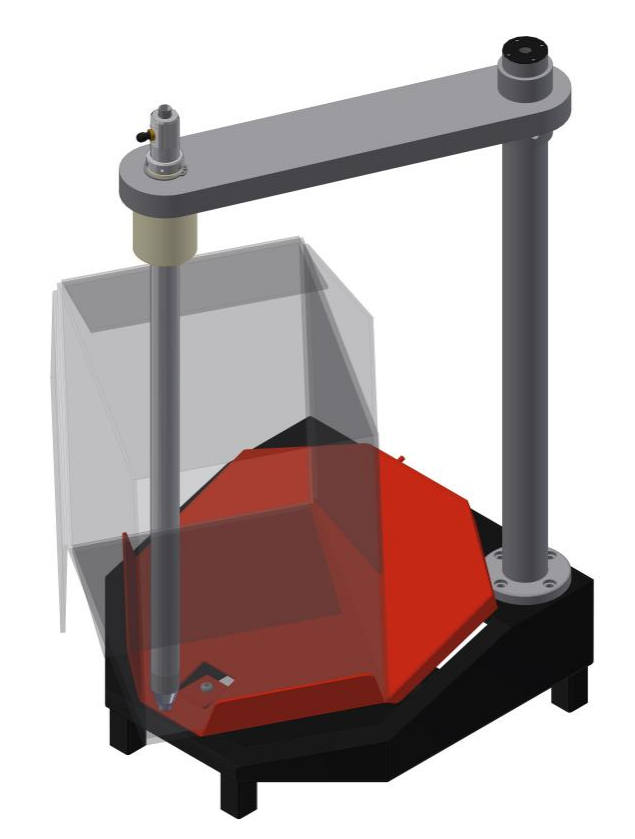
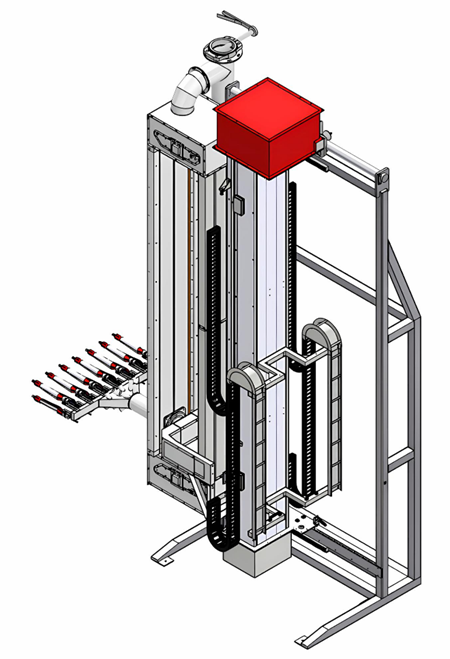
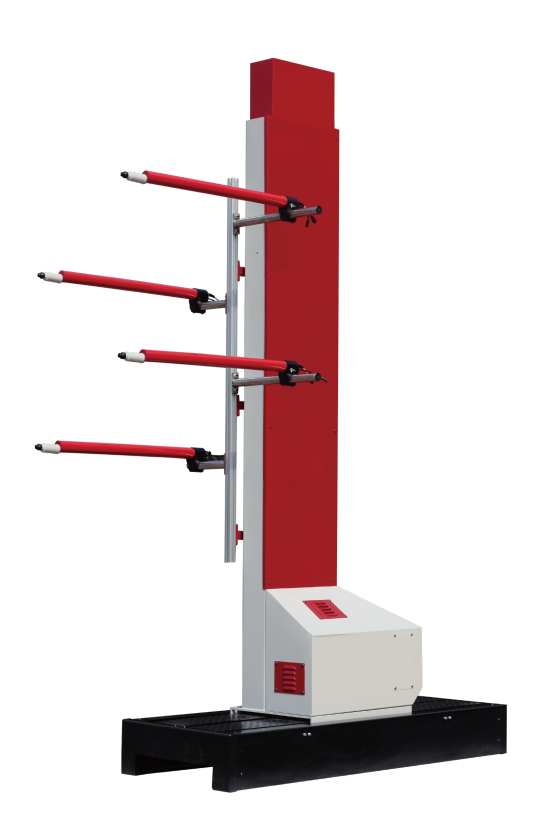
A reciprocator in a coating line is a mechanical device that moves spray guns or other applicators back and forth, ensuring an even coat of material across surfaces. Traditional reciprocators operate on fixed settings and often require manual adjustment, which can limit flexibility and efficiency.
The Intelligence Factor
An intelligent reciprocator incorporates sensors, microprocessors, and software algorithms. This combination enables real-time adjustments to stroke length, speed, and spray parameters based on feedback from the coating environment. This dynamic control maximizes uniformity and reduces overspray.
Benefits of Upgrading to Intelligent Reciprocators
Upgrading a coating line from conventional reciprocators to intelligent models yields numerous operational improvements:
Enhanced Coating Quality
Intelligent reciprocators adapt to changes in substrate irregularities and coating viscosity, delivering consistent film thickness. This adaptability drastically reduces defects such as runs, sags, and uneven coverage.
Increased Productivity
By optimizing reciprocation speed and stroke length automatically, intelligent reciprocators decrease cycle times without compromising quality. Reduced downtime due to fewer manual recalibrations further boosts throughput.
Material Savings and Sustainability
Precise control minimizes overspray and waste, lowering the consumption of costly coating materials. This efficiency also contributes to environmental sustainability by reducing emissions and disposal requirements.
Better Process Monitoring and Control
Integration with factory automation systems allows for real-time monitoring and data collection, enabling predictive maintenance and quality assurance. Operators receive alerts and insights, empowering proactive management.
Key Features to Look for in Intelligent Reciprocators
When planning an upgrade, selecting reciprocators with the right capabilities is critical.
Programmable Stroke Length and Speed
Ability to customize stroke parameters either manually or automatically ensures suitability for various substrate sizes and coating types.
Real-Time Feedback and Adjustment
Sensors that measure position, speed, and environmental factors allow the reciprocator to automatically respond to changes during operation.
Compatibility with Existing Systems
Seamless integration with current spray guns, conveyors, and control software reduces complexity and installation time.
User-Friendly Interface
Intuitive touchscreens and software simplify setup, troubleshooting, and adjustments, minimizing operator training.
Integration Process for Upgrading Your Coating Line
Assessment of Current Equipment and Needs
Before installing intelligent reciprocators, conduct a thorough evaluation of your existing coating line to identify bottlenecks, quality challenges, and compatibility issues.
Selecting Appropriate Reciprocator Models
Choose models that meet your production volume, coating type, and substrate shape requirements. Consulting with manufacturers and reviewing case studies can aid this decision.
Installation and Commissioning
Installation should be planned during scheduled downtimes to minimize disruption. Precision alignment and calibration are essential for optimal functioning.
Staff Training and Change Management
Training operators and maintenance personnel on new controls and diagnostics ensures smooth transition and maximizes benefits.
Impact on Maintenance and Operational Costs
Predictive Maintenance Capabilities
Intelligent reciprocators can self-monitor performance and alert teams before failures occur, reducing emergency repairs.
Reduced Wear and Tear
Optimized movements lower mechanical stress on machine parts, extending their service life.
Lower Operational Costs
Savings from reduced material waste, faster cycles, and fewer defects contribute to overall cost efficiency.
Case Study: Transformation of an Automotive Coating Line
An automotive parts manufacturer upgraded from manual reciprocators to intelligent models, resulting in a 25% reduction in coating defects and a 15% increase in line throughput. Material consumption dropped by 10%, and operators reported improved ease-of-use and less fatigue.
Future Trends in Intelligent Coating Line Equipment
Integration of Artificial Intelligence
Advanced AI algorithms are increasingly incorporated into reciprocators to predict optimal spray patterns and continuously learn from production data.
Internet of Things (IoT) Connectivity
IoT-enabled reciprocators can be monitored remotely and integrated into factory-wide digital twins for enhanced process optimization.
Enhanced Customization and Flexibility
Modular reciprocator designs allow rapid changeovers between different products, supporting diverse manufacturing demands.
Frequently Asked Questions
Q1: How difficult is it to retrofit an existing coating line with intelligent reciprocators?
Retrofitting is generally straightforward but depends on the condition and compatibility of existing equipment. Most manufacturers offer support to ensure smooth integration.
Q2: Can intelligent reciprocators reduce environmental impact?
Yes, by minimizing overspray and excess material use, intelligent reciprocators help reduce VOC emissions and waste generation.
Q3: What types of coatings are compatible with intelligent reciprocators?
They work with a wide range of coatings including paints, lacquers, adhesives, and powder coatings, adaptable via programmable parameters.
Q4: Are intelligent reciprocators suitable for small-scale operations?
Yes, their benefits extend to small and medium enterprises where quality and efficiency improvements are valuable.
Q5: What maintenance skills are required for intelligent reciprocators?
Operators should have basic mechanical knowledge and be trained on the interface; predictive diagnostics reduce routine repair needs.
Hot Tags: China, Global, OEM, private label, manufacturers, factory, suppliers, manufacturing company





 CALL US ANY TIME









 Tel: +852 2363 2511
 Fax: +852 2764 0105
 E-mail:

 .
. 