Content Menu
● Introduction
● Understanding Powder Coating
>> What is Powder Coating?
>> Advantages of Powder Coating
● The Role of Reciprocators in Powder Coating
>> What is a Reciprocator?
>> Types of Reciprocators
● Energy Efficiency in Powder Coating Lines
>> Importance of Energy Efficiency
>> How Reciprocators Enhance Energy Efficiency
>>> Optimized Spray Patterns
>>> Reduced Overspray
>>> Improved Cycle Times
● Technological Advancements in Reciprocators
>> Automation and Control Systems
>> Integration with Industry 4.0
>> Enhanced Materials and Design
● Case Studies: Energy-Efficient Powder Coating Lines
>> Automotive Industry
>> Furniture Manufacturing
● Challenges and Considerations
>> Initial Investment
>> Training and Maintenance
● Future Trends in Powder Coating Technology
>> Sustainability Focus
>> Smart Manufacturing
● Conclusion
● Questions and Answers
Introduction
In the modern manufacturing landscape, energy efficiency has become a critical focus, particularly in processes like powder coating. Powder coating is a popular finishing technique that provides a durable and attractive surface for various products. One of the key components in powder coating lines is the reciprocator, which plays a vital role in enhancing efficiency and reducing energy consumption. This article explores the function of reciprocators in energy-efficient powder coating lines, their benefits, and the latest advancements in technology.
Understanding Powder Coating
What is Powder Coating?
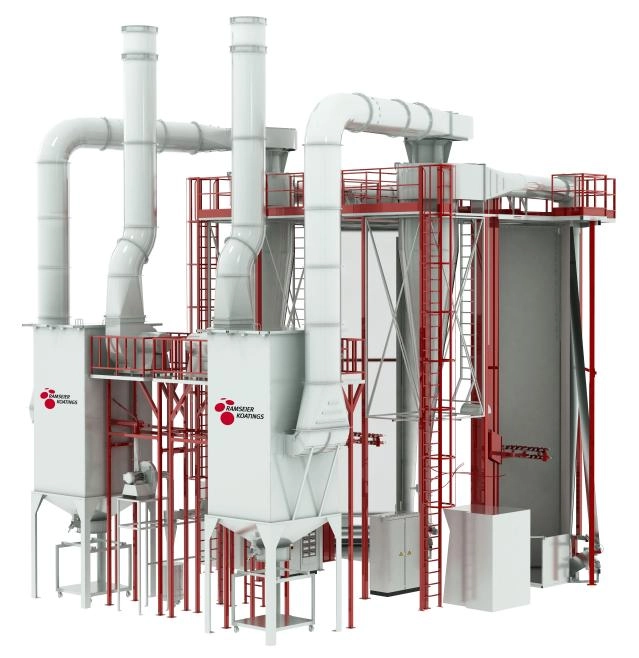
Powder coating is a dry finishing process that uses finely ground particles of pigment and resin, which are electrostatically charged and sprayed onto a surface. The coated item is then heated in an oven, where the powder melts and forms a hard, protective layer. This process is widely used in various industries, including automotive, furniture, and appliances, due to its superior finish and environmental benefits.
Advantages of Powder Coating
Powder coating offers several advantages over traditional liquid coatings, including:
- Durability: Powder-coated surfaces are more resistant to chipping, scratching, and fading.
- Environmental Benefits: Powder coating produces minimal volatile organic compounds (VOCs), making it a more environmentally friendly option.
- Cost-Effectiveness: The process can be more economical in the long run due to reduced waste and lower energy consumption.
The Role of Reciprocators in Powder Coating
What is a Reciprocator?
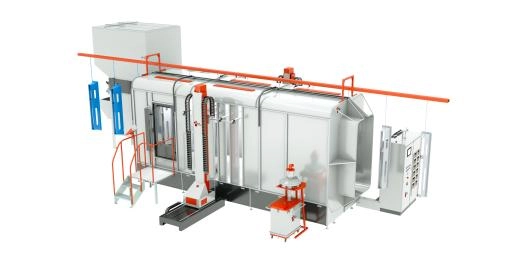
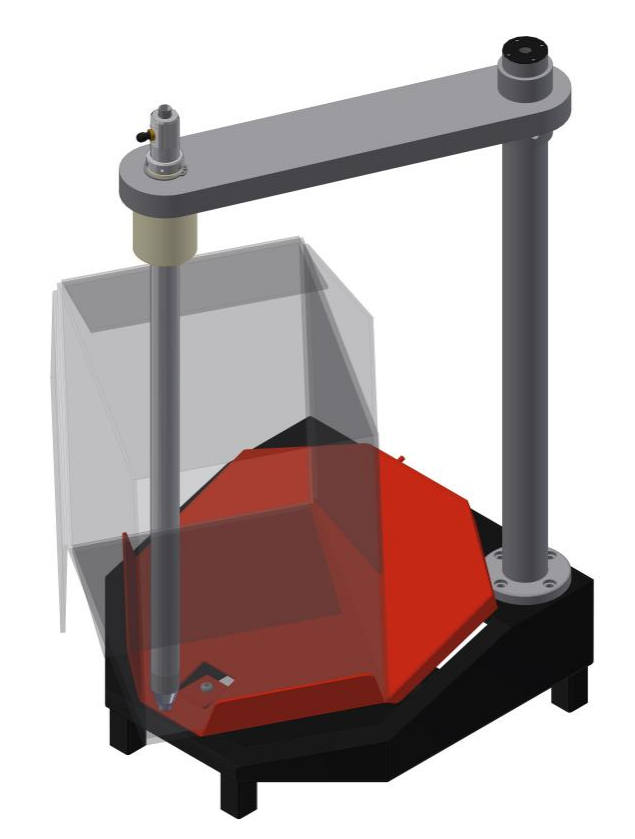
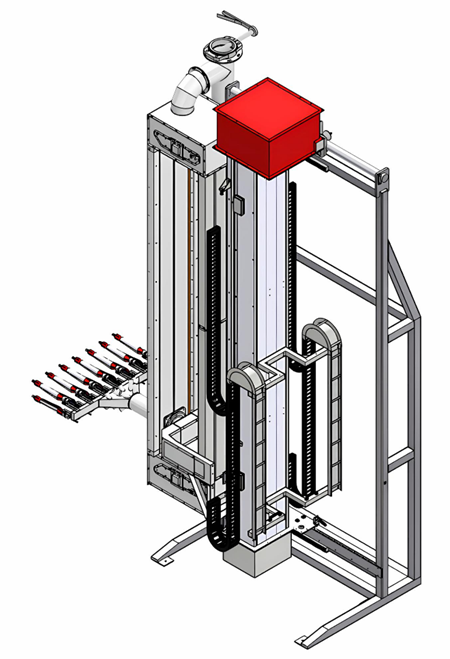
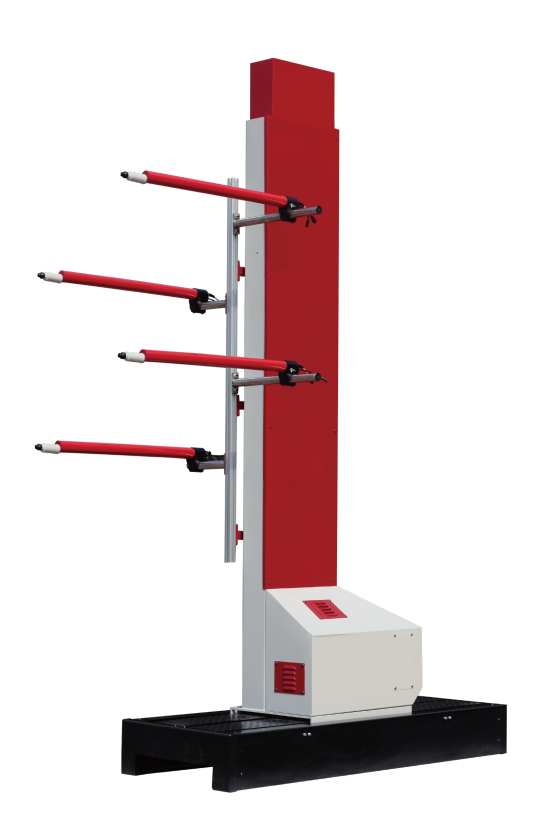
A reciprocator is a mechanical device that moves the spray gun back and forth across the surface of the item being coated. This movement ensures even coverage of the powder coating material, which is essential for achieving a high-quality finish. Reciprocators can be programmed to adjust their speed, stroke length, and spray pattern, allowing for customization based on the specific requirements of the coating process.
Types of Reciprocators
There are several types of reciprocators used in powder coating lines, including:
- Electric Reciprocators: These are driven by electric motors and are known for their precision and control.
- Pneumatic Reciprocators: Utilizing compressed air, these reciprocators are often simpler and more cost-effective but may lack the precision of electric models.
- Hybrid Reciprocators: Combining both electric and pneumatic technologies, hybrid models offer a balance of efficiency and control.
Energy Efficiency in Powder Coating Lines
Importance of Energy Efficiency
Energy efficiency is crucial in powder coating lines for several reasons:
- Cost Reduction: Lower energy consumption directly translates to reduced operational costs.
- Environmental Impact: Energy-efficient processes contribute to lower carbon emissions and a smaller ecological footprint.
- Regulatory Compliance: Many industries face strict regulations regarding energy use and emissions, making efficiency a necessity.
How Reciprocators Enhance Energy Efficiency
Reciprocators contribute to energy efficiency in powder coating lines in various ways:
Optimized Spray Patterns
By adjusting the spray pattern and movement of the spray gun, reciprocators ensure that the powder is applied only where needed, minimizing waste. This targeted application reduces the amount of powder required and lowers energy consumption during the curing process.
Reduced Overspray
Reciprocators help to minimize overspray, which is the powder that does not adhere to the intended surface. Less overspray means less powder waste and lower energy costs associated with reclaiming and reusing excess powder.
Improved Cycle Times
With precise control over the movement and speed of the spray gun, reciprocators can significantly improve cycle times. Faster application and curing processes lead to increased productivity and reduced energy use per unit produced.
Technological Advancements in Reciprocators
Automation and Control Systems
Recent advancements in automation and control systems have enhanced the capabilities of reciprocators. Modern systems allow for real-time monitoring and adjustments, ensuring optimal performance and energy efficiency. These systems can analyze data from the coating process and make automatic adjustments to the reciprocator's speed and movement, further enhancing efficiency.
Integration with Industry 4.0
The integration of reciprocators with Industry 4.0 technologies, such as the Internet of Things (IoT) and artificial intelligence (AI), is revolutionizing powder coating lines. Smart reciprocators can communicate with other machines and systems, allowing for coordinated operations that optimize energy use and improve overall efficiency.
Enhanced Materials and Design
The design and materials used in reciprocators have also evolved. Lightweight materials and advanced engineering techniques have led to more efficient and durable reciprocators. These improvements reduce the energy required for operation and increase the lifespan of the equipment.
Case Studies: Energy-Efficient Powder Coating Lines
Automotive Industry
In the automotive industry, companies have implemented energy-efficient powder coating lines using advanced reciprocators. By optimizing spray patterns and reducing overspray, these companies have reported significant reductions in powder usage and energy consumption, leading to lower production costs and a smaller environmental footprint.
Furniture Manufacturing
Furniture manufacturers have also benefited from the use of reciprocators in their powder coating processes. By automating the coating process and utilizing smart reciprocators, these companies have improved their cycle times and reduced energy costs, allowing them to remain competitive in a challenging market.
Challenges and Considerations
Initial Investment
While the benefits of energy-efficient powder coating lines are clear, the initial investment in advanced reciprocators and automation systems can be significant. Companies must weigh the long-term savings against the upfront costs to determine the feasibility of upgrading their systems.
Training and Maintenance
Implementing new technology requires proper training for operators and maintenance personnel. Ensuring that staff are well-versed in the operation and maintenance of advanced reciprocators is essential for maximizing their efficiency and lifespan.
Future Trends in Powder Coating Technology
Sustainability Focus
As industries continue to prioritize sustainability, the demand for energy-efficient powder coating lines will likely increase. Future developments in reciprocator technology will focus on further reducing energy consumption and waste, aligning with global sustainability goals.
Smart Manufacturing
The trend towards smart manufacturing will continue to influence the design and operation of powder coating lines. Reciprocators will become increasingly integrated with smart technologies, allowing for more precise control and optimization of the coating process.
Conclusion
Reciprocators play a crucial role in enhancing the energy efficiency of powder coating lines. By optimizing spray patterns, reducing overspray, and improving cycle times, these devices contribute to lower operational costs and a smaller environmental impact. As technology continues to advance, the capabilities of reciprocators will expand, further driving energy efficiency in the powder coating industry.
Questions and Answers
1. What is the primary function of a reciprocator in powder coating?
- The primary function of a reciprocator is to move the spray gun back and forth across the surface of the item being coated, ensuring even coverage of the powder coating material.
2. How do reciprocators contribute to energy efficiency?
- Reciprocators enhance energy efficiency by optimizing spray patterns, reducing overspray, and improving cycle times, which leads to lower energy consumption and waste.
3. What are the different types of reciprocators used in powder coating?
- The main types of reciprocators are electric, pneumatic, and hybrid models, each offering different advantages in terms of precision, cost, and control.
4. What advancements are being made in reciprocator technology?
- Recent advancements include automation and control systems, integration with Industry 4.0 technologies, and improvements in materials and design for enhanced efficiency and durability.
5. What challenges do companies face when implementing energy-efficient powder coating lines?
- Companies may face challenges such as the initial investment costs, the need for training personnel, and ongoing maintenance requirements for advanced systems.
Hot Tags: China, Global, OEM, private label, manufacturers, factory, suppliers, manufacturing company





 CALL US ANY TIME









 Tel: +852 2363 2511
 Fax: +852 2764 0105
 E-mail:

 .
. 