Content Menu
● Hopper Geometry and Its Effects on Flow Consistency
● Material Selection and Surface Finish
● Flow Aids and Internal Baffles
● Cleaning, Contamination Control, and Process Hygiene
● Process Monitoring and Control Strategies
● Impact on Coating Thickness Uniformity
● Effects on Process Throughput and Downtime
● Customization for Specific Powder Types
● Case Studies and Practical Lessons
● Best Practices for Designing and Maintaining Powder Hoppers
● FAQs
● Summary and Final Thoughts
Achieving consistent, high-quality coatings is a cornerstone of modern manufacturing, whether in automotive, consumer electronics, or industrial equipment. Among the many factors that influence coating results, the design of the powder hopper—the receptacle that stores and feeds powder into the application system—plays a pivotal role. A well-designed hopper helps maintain uniform powder flow, reduces defects, minimizes downtime, and enhances overall process reliability. This article examines how hopper geometry, material selection, flow aids, agitation methods, and maintenance practices collectively impact coating quality.
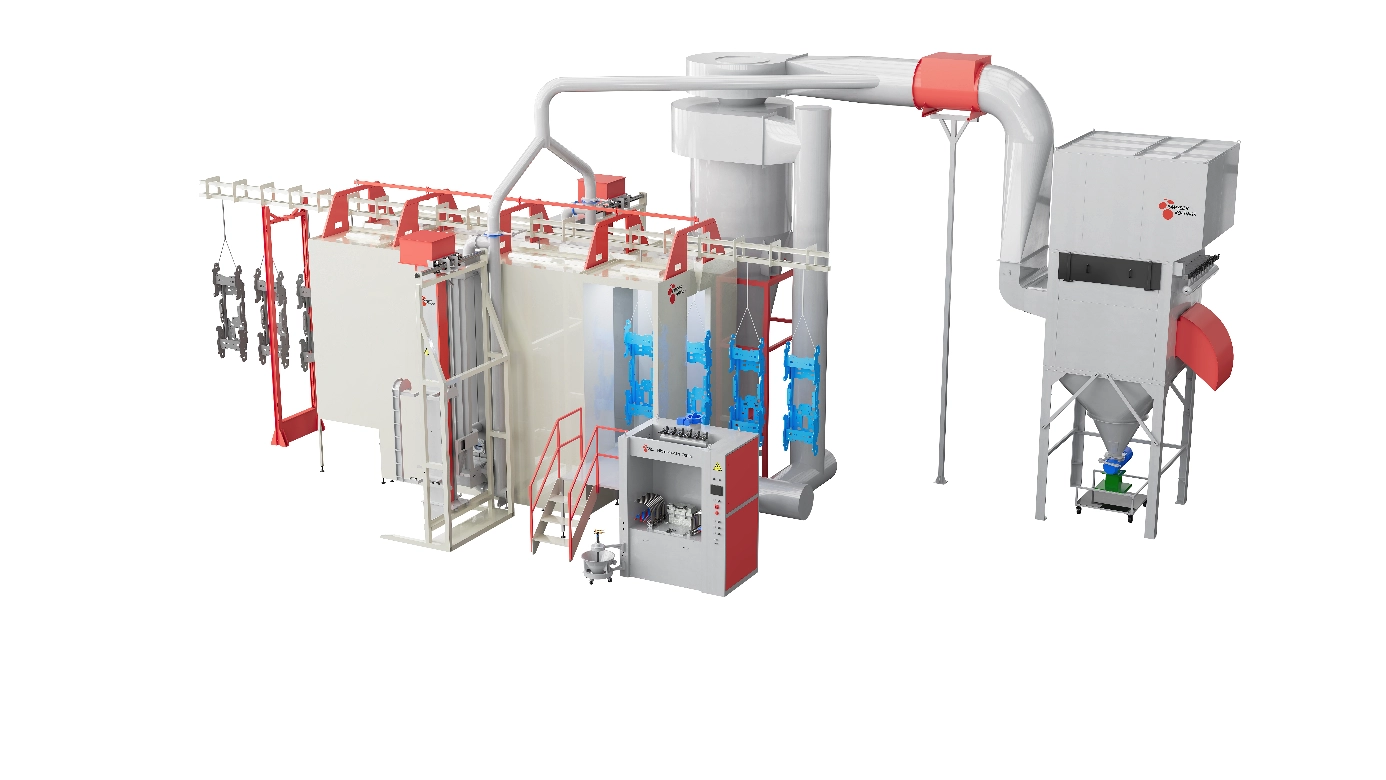
Hopper Geometry and Its Effects on Flow Consistency
The shape and dimensions of a powder hopper determine how powder moves from storage to the application head. Key geometric considerations include the hopper outlet size, cone angle, and transition zones.
- Outlet size and location: An appropriately sized outlet prevents both starvation and overflow. If the outlet is too large, the powder may accelerate irregularly, causing fluctuations in feed rate. If too small, bridging and ratholing can occur, disrupting continuous flow.
- Cone angle and wall smoothness: A steeper cone angle can reduce stagnant powder regions, encouraging gravity-assisted flow. Smooth wall surfaces minimize friction that can trap powder, promoting a steadier discharge.
- Transition regions: The junction between the hopper and the feeder system should minimize dead zones. Abrupt transitions can trap powder and create arching or bridging, leading to inconsistent coating thickness.
In practice, engineers aim for a flow path that is short, direct, and free of corners. Computational flow analysis and small-scale testing help validate whether the chosen geometry supports uniform powder delivery under the operational vibration and agitation conditions of the coating system.
Material Selection and Surface Finish
The materials used to construct the hopper influence both powder compatibility and maintenance needs. Important criteria include chemical compatibility with the coating powder, static dissipation properties, and surface finish.
- Powder compatibility: Some powders are hygroscopic or abrasive, which can degrade certain hopper materials over time. Stainless steel or coated alloys are common choices for their durability and inertness to many powders. For ultra-fine or reactive powders, specialized liners may be employed to minimize contamination.
- Static control: Static buildup can attract powder to walls, causing uneven flow and dusting at the application nozzle. Materials with anti-static properties or conductive paths reduce this risk. In some systems, ionizing bars or grounded conductive components are integrated to dissipate static charges.
- Surface finish: A polished or low-friction interior surface reduces powder adhesion to walls, facilitating smoother discharge. However, ultra-smooth finishes may be harder to clean; designers balance friction reduction with cleanability and sanitation requirements.
Maintenance considerations also influence material choice. Durable finishes resist abrasion from abrasive powders, while easy-to-clean surfaces reduce cross-contamination between batches.
Flow Aids and Internal Baffles
Flow aids, including agitating devices and internal baffles, mitigate problems such as arching, bridging, and rat-holing, especially when handling cohesive or fine powders.
- Agitation mechanisms: Agitators, paddles, or agitator rods introduce controlled motion within the powder bed, breaking up cohesive clusters and ensuring a consistent supply to the outlet. The placement, speed, and duty cycle of agitation must be tuned to avoid powder fragmentation or entrainment that could degrade coating quality.
- Baffles and inserts: Strategically placed baffles direct powder flow, prevent channeling, and disrupt the formation of stable arches. Baffles should be designed to minimize dead zones while not introducing excessive turbulence that could aerosolize powder.
- Air-assisted flow: In some systems, a gentle inward airflow or pulsed suction at the outlet helps prevent bridging and maintains a steady discharge. Care must be taken to avoid powder lofting or inconsistent feed due to fluctuating pressures.
The goal of flow aids is to produce a uniform, continuous powder stream to the feeder without introducing contaminants or altering the intended particle size distribution of the powder. Properly selected flow aids contribute directly to coating uniformity and process stability.
Cleaning, Contamination Control, and Process Hygiene
Coating quality is not solely about how powder leaves the hopper; it also depends on how clean and consistent the powder remains from storage to application.
- Dust and contamination control: Powder dust and foreign particles can alter the rheology of the coating, affecting flow and final film properties. Seals, gaskets, and closed transfer paths minimize ingress of contamination. Quick-clean designs facilitate routine sanitation without disassembling the entire hopper.
- Inlet and outlet protection: Filters, strainers, or screens at the inlet prevent oversized particles from entering the hopper and feeder, reducing the risk of blockage downstream. Outlet filters may also be used in some systems to maintain powder integrity up to the point of application.
- Moisture management: Humidity or moisture ingress can cause powder clumping, leading to inconsistent flow and poor coating performance. Desiccants or humidity-controlled enclosures help maintain stable powder behavior, especially for hygroscopic powders.
A well-maintained hopper reduces variability in the coating process, promoting repeatable film thickness and adhesion across production runs.
Process Monitoring and Control Strategies
Modern coatings operations rely on sensors and control strategies to monitor hopper performance and adjust parameters in real time.
- Flow-rate sensors: Inline mass or volumetric flow sensors provide feedback on the actual powder discharge rate. Discrepancies between setpoints and actual flow trigger automatic adjustments to agitation, vibration, or feeder speed.
- Powder-bed monitoring: Some systems monitor the uniformity of powder concentration within the hopper and feeder region. Anomalies can indicate bridging, segregation, or wall sticking that require intervention.
- Alarm and interlock systems: Alarms alert operators to potential hopper blockages, abnormal pressures, or contamination events. Interlocks prevent the application system from running with compromised powder flow, protecting coating quality and equipment.
Integrated process control helps ensure consistent coating outcomes even when operating conditions vary, such as changes in powder batch properties or environmental factors.
Impact on Coating Thickness Uniformity
The most direct measure of coating quality is the uniformity of the film thickness across a substrate. Hopper design affects this in several ways:
- Consistent feed rate: A stable discharge rate minimizes fluctuations in film build per unit area, reducing thickness variation.
- Reduced defects: Fewer bridging and rat-holing events translate to fewer interruptions and irregular powder deposition on the substrate.
- Material integrity: Gentle handling of powder preserves particle size distribution and flow characteristics, ensuring predictable performance during application.
When the hopper supports smooth, continuous powder delivery, the coating process achieves tighter process windows and better repeatability.
Effects on Process Throughput and Downtime
Beyond coating quality, hopper design influences production efficiency.
- Downtime reduction: Reliable flow minimizes blockages, cleaning, and maintenance, leading to higher uptime.
- Changeover efficiency: Well-designed hoppers enable quicker batch changes with minimal risk of cross-contamination.
- Labor and maintenance: Durable materials and easy-clean features reduce maintenance time and labor costs.
Efficient hopper design thus contributes to overall manufacturing performance, balancing coating quality with productivity metrics.
Customization for Specific Powder Types
Powders vary widely in properties such as particle size distribution, cohesiveness, and flowability. A one-size-fits-all hopper rarely yields optimal results across different powders. Customization may include:
- Liner replacements for abrasive powders.
- Specialized coatings to reduce wall friction for sticky powders.
- Adjustable outlet inserts to accommodate different flow rates and material volumes.
- Integrated humidification or drying features for moisture-sensitive powders.
Collaborating with process engineers, materials scientists, and equipment suppliers ensures that hopper customization aligns with coating requirements and production goals.
Case Studies and Practical Lessons
Real-world examples illustrate how thoughtful hopper design improves coating outcomes.
- Automotive finish lines: Hoppers with low-friction interiors and precisely tuned agitation delivered consistent primer deposition, reducing sags and pinholes in high-volume production.
- Electronics conformal coating: Static-dissipative hopper finishes and closed transfer paths minimized particle contamination, yielding uniform film thickness and improved dielectric properties.
- Aerospace coatings: Baffle-assisted flow prevented arching when applying thick protective layers, leading to fewer reworks and tighter thickness tolerances.
These cases underscore that a holistic approach—considering geometry, materials, flow aids, cleaning, and process control—delivers the best coating quality.
Best Practices for Designing and Maintaining Powder Hoppers
To optimize coating quality, adopt these practical guidelines:
- Start with a geometry analysis that prioritizes short, direct flow paths and minimizes dead zones.
- Select materials with proven compatibility for the specific powder, including static-dissipation properties as needed.
- Incorporate appropriate flow aids and baffling to prevent bridging while avoiding excess turbulence.
- Implement robust cleaning and contamination-control measures, including closed transfer paths and filtration.
- Use real-time monitoring to promptly detect deviations in flow rate or powder quality.
- Plan regular maintenance and inspection schedules, focusing on wear-resistant surfaces and seals.
A proactive design and maintenance program pays dividends in coating consistency, throughput, and overall process robustness.
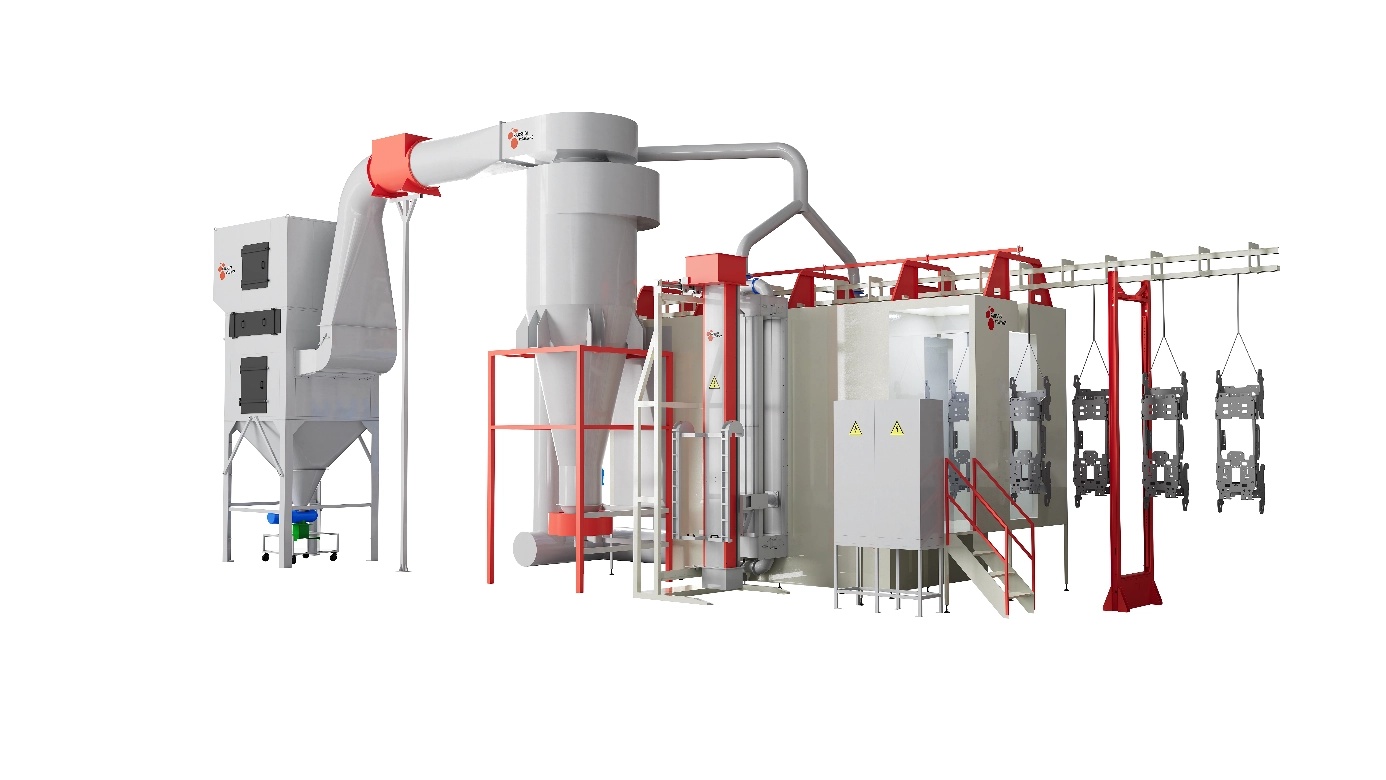
FAQs
- How does hopper design influence coating thickness uniformity?
A well-designed hopper delivers a consistent powder feed rate, minimizing fluctuations in film build and reducing thickness variation across substrates.
- What materials are best for powder hoppers handling fine or abrasive powders?
Stainless steel or coated alloys with low-friction interiors, combined with wear-resistant linings, provide durability and minimize contamination.
- Can static electricity affect coating quality, and how can hoppers mitigate this?
Yes, static can cause powder adherence to walls and uneven flow. Using conductive materials, anti-static finishes, and grounding or ionization helps dissipate static.
- What roles do agitation and baffling play in powder flow?
Agitation breaks up cohesive clumps, while baffles direct flow to prevent arching and rat-holing, promoting a steady discharge.
- How important is cleaning in maintaining coating quality?
Cleaning prevents cross-contamination and moisture-related agglomeration, ensuring consistent powder behavior and film properties.
Summary and Final Thoughts
A powder hopper is more than a storage vessel; it is a critical component of the coating process that influences flow stability, powder integrity, and overall product quality. By carefully considering geometry, material selection, flow aids, cleaning practices, and process monitoring, manufacturers can achieve consistent coating thickness, reduce downtime, and improve production reliability. Tailoring hopper design to the specific powder properties and application requirements is essential for optimal coating performance.
Hot Tags: China, Global, OEM, private label, manufacturers, factory, suppliers, manufacturing company





 CALL US ANY TIME

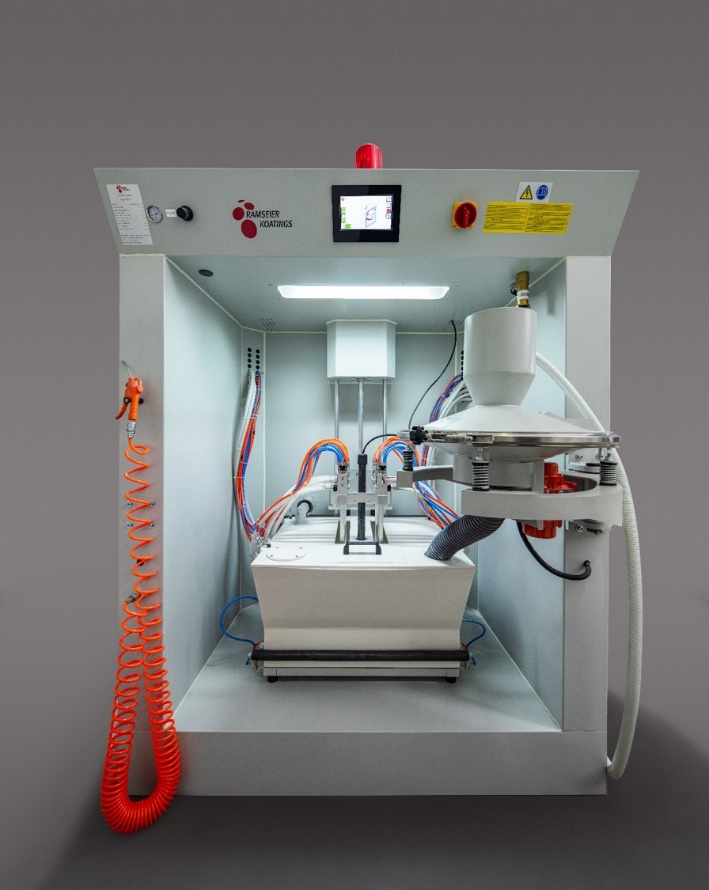


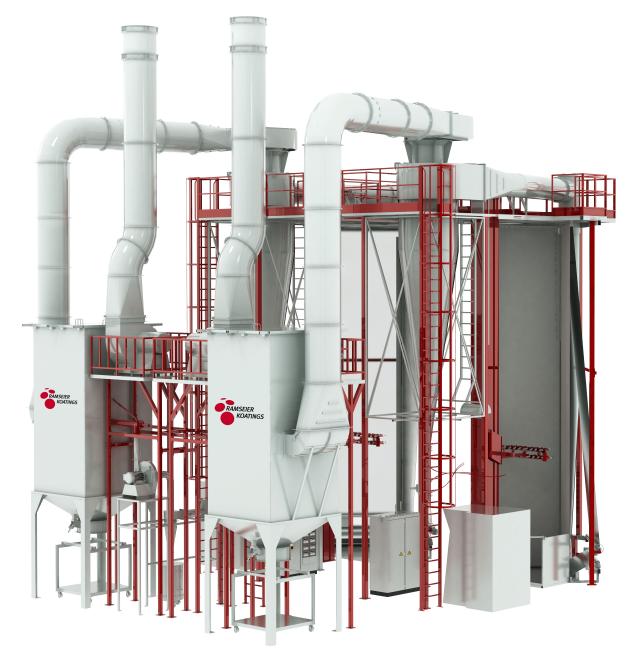






 Tel: +852 2363 2511
 Fax: +852 2764 0105
 E-mail:

 .
. 