Content Menu
● Understanding Coating Technology
>> Types of Coatings
>> Importance of Coating Technology
● The Role of Reciprocators in Coating Processes
>> How Reciprocators Work
>> Benefits of Using Reciprocators
● Automation in Coating Technology
>> Advantages of Automation
>> Robotics in Coating Applications
● The Future of Coating Technology
>> Emerging Trends
>> Challenges Ahead
● Conclusion
>> Frequently Asked Questions
In the rapidly evolving world of manufacturing, coating technology plays a crucial role in enhancing product durability, aesthetics, and functionality. As industries strive for efficiency and precision, the integration of reciprocators and automation into coating processes is becoming increasingly vital. This article explores the advancements in coating technology, the role of reciprocators, and how automation is transforming the landscape of manufacturing.
Understanding Coating Technology
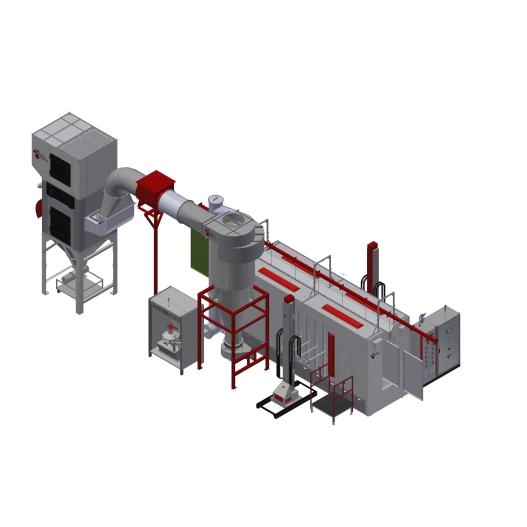
Coating technology involves applying a layer of material onto a surface to achieve specific properties. These properties can include corrosion resistance, wear resistance, and improved appearance. Coatings are used in various industries, including automotive, aerospace, electronics, and consumer goods. The choice of coating material and application method significantly impacts the performance and longevity of the final product.
Types of Coatings
There are several types of coatings, each suited for different applications:
- Liquid Coatings: These include paints, varnishes, and lacquers. They are applied using methods such as spraying, dipping, or brushing.
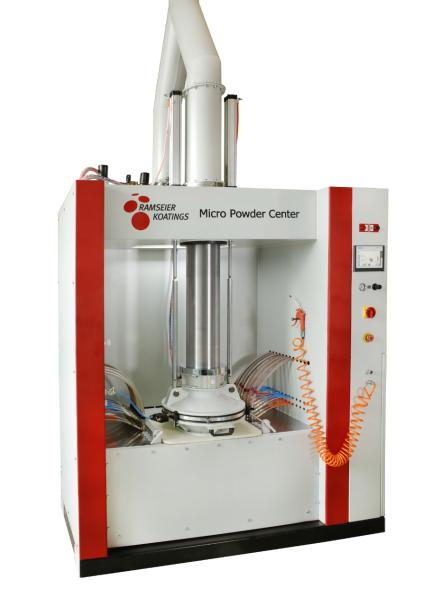
- Powder Coatings: A dry powder is applied electrostatically and then cured under heat to form a hard finish. This method is popular for its environmental benefits and durability.
- Thin Film Coatings: These coatings are applied in very thin layers and are often used in electronics and optics to enhance performance.
Importance of Coating Technology
Coating technology is essential for protecting surfaces from environmental damage, enhancing aesthetic appeal, and improving product performance. For instance, in the automotive industry, coatings protect vehicles from rust and wear while providing a glossy finish. In electronics, coatings can insulate components and improve conductivity.
The Role of Reciprocators in Coating Processes
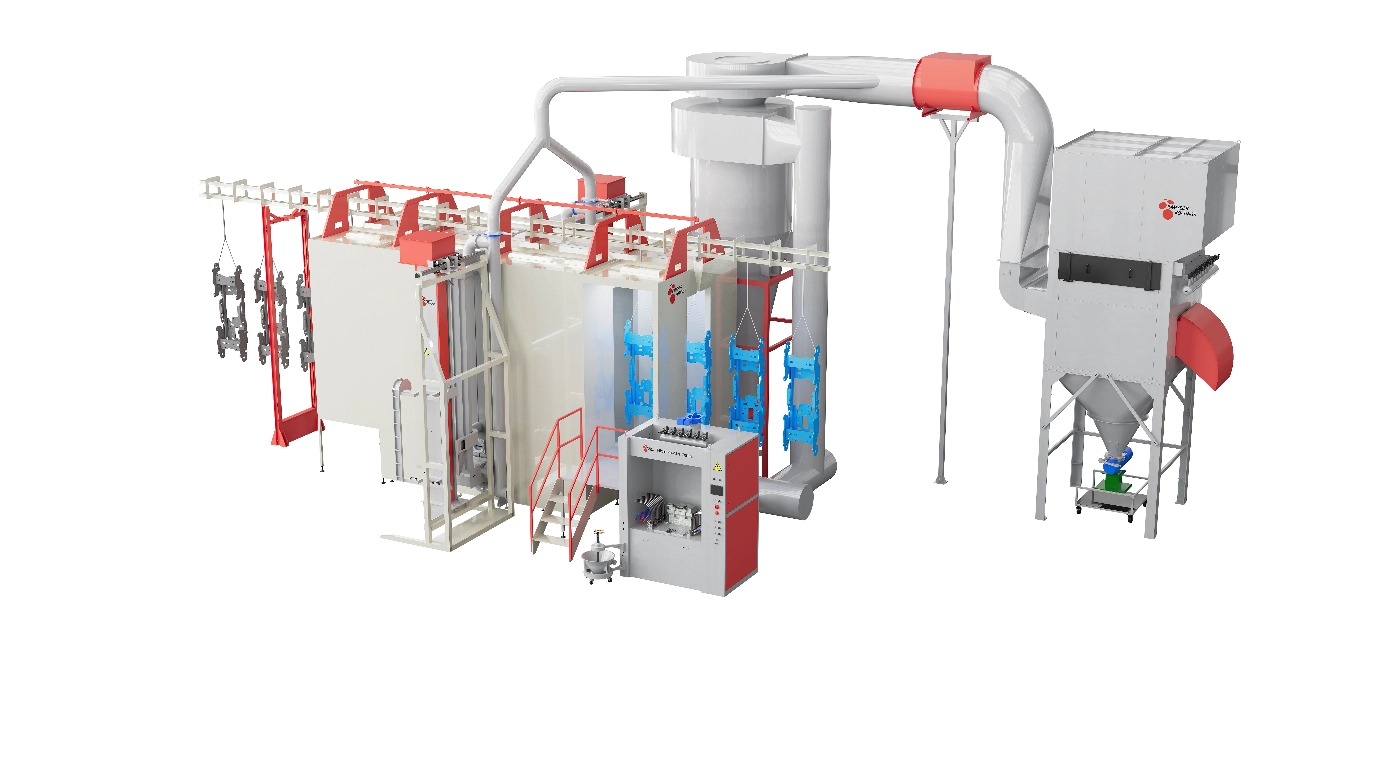
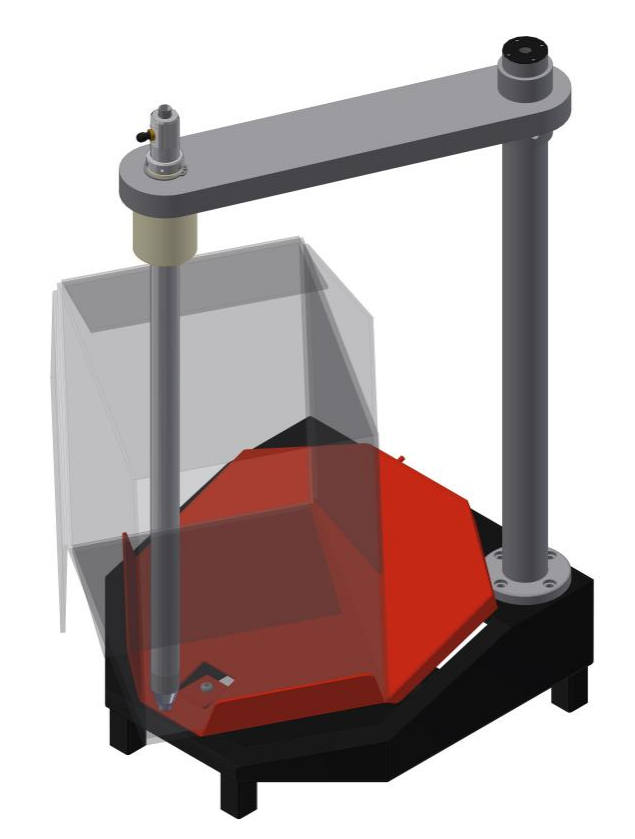
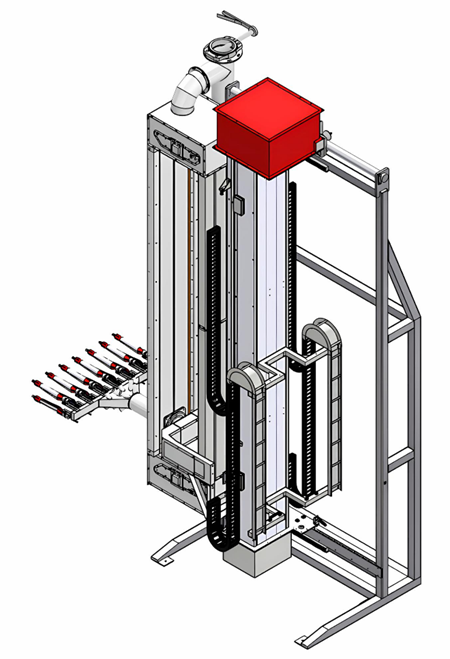
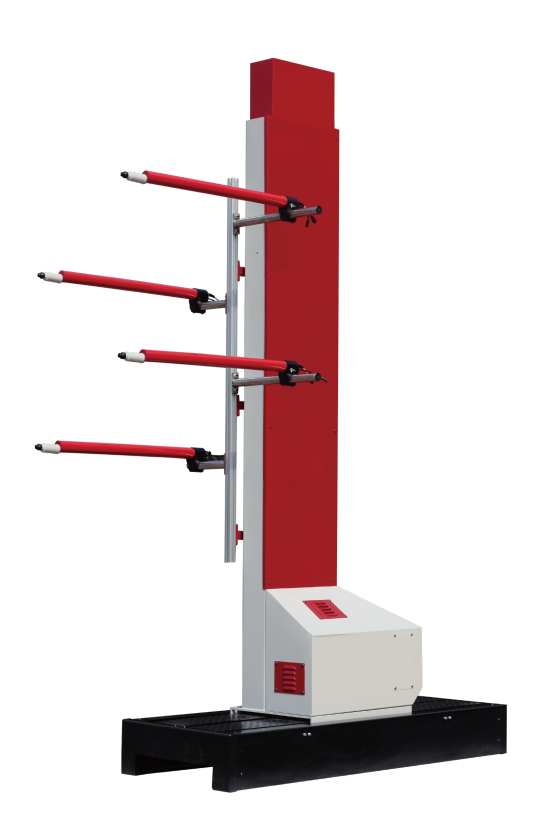
Reciprocators are mechanical devices that move coating equipment back and forth in a controlled manner. They are essential in ensuring uniform coating application, especially in large-scale manufacturing environments.
How Reciprocators Work
Reciprocators operate by using a motor to drive a mechanism that moves the spray gun or applicator along a predetermined path. This movement can be adjusted in speed and distance, allowing for precise control over the coating process. The ability to program the reciprocator for different shapes and sizes of objects makes it a versatile tool in coating applications.
Benefits of Using Reciprocators
1. Uniform Coating: Reciprocators ensure that coatings are applied evenly across surfaces, reducing the risk of defects.
2. Increased Efficiency: By automating the movement of the applicator, reciprocators can significantly speed up the coating process, leading to higher production rates.
3. Reduced Labor Costs: Automation reduces the need for manual labor, allowing companies to allocate resources more effectively.
Automation in Coating Technology
The integration of automation into coating processes is revolutionizing the industry. Automation encompasses various technologies, including robotics, sensors, and software systems, to streamline operations and enhance precision.
Advantages of Automation
1. Consistency and Quality Control: Automated systems can maintain consistent application parameters, leading to higher quality coatings with fewer defects.
2. Data Collection and Analysis: Automation allows for real-time monitoring of the coating process, enabling manufacturers to collect data for analysis and continuous improvement.
3. Flexibility: Automated systems can be easily reprogrammed to accommodate different products and coating requirements, making them adaptable to changing market demands.
Robotics in Coating Applications
Robotic arms are increasingly used in coating applications due to their precision and flexibility. These robots can be programmed to perform complex movements, ensuring that coatings are applied uniformly, even in hard-to-reach areas.
The Future of Coating Technology
As industries continue to evolve, the future of coating technology looks promising. Innovations in materials, processes, and automation are set to enhance the capabilities of coating applications.
Emerging Trends
1. Smart Coatings: These coatings can respond to environmental changes, such as temperature or humidity, providing additional functionality.
2. Sustainable Coatings: There is a growing demand for eco-friendly coatings that minimize environmental impact while maintaining performance.
3. Advanced Automation: The use of artificial intelligence and machine learning in coating processes will enable even greater efficiency and precision.
Challenges Ahead
Despite the advancements, several challenges remain in the coating industry. These include the need for skilled labor to operate advanced systems, the high cost of automation technology, and the ongoing demand for innovation in coating materials.
Conclusion
The integration of reciprocators and automation in coating technology is unlocking new possibilities for manufacturers. By enhancing efficiency, consistency, and quality, these advancements are shaping the future of the industry. As technology continues to evolve, the potential for innovative coating solutions will only expand, driving growth and sustainability in manufacturing.
Frequently Asked Questions
1. What are the main types of coatings used in manufacturing?
The main types of coatings include liquid coatings, powder coatings, and thin film coatings, each serving different applications and industries.
2. How do reciprocators improve the coating process?
Reciprocators ensure uniform coating application, increase efficiency, and reduce labor costs by automating the movement of the applicator.
3. What role does automation play in coating technology?
Automation enhances consistency, quality control, and flexibility in coating processes, allowing for real-time monitoring and data collection.
4. What are smart coatings?
Smart coatings are advanced materials that can respond to environmental changes, providing additional functionality beyond traditional coatings.
5. What challenges does the coating industry face?
Challenges include the need for skilled labor, high costs of automation technology, and the demand for continuous innovation in coating materials.
Hot Tags: China, Global, OEM, private label, manufacturers, factory, suppliers, manufacturing company





 CALL US ANY TIME









 Tel: +852 2363 2511
 Fax: +852 2764 0105
 E-mail:

 .
. 