Content Menu
● Introduction
● What Is Real-Time Monitoring?
>> Definition and Core Concepts
>> How Real-Time Monitoring Works
● The Role of Smart Data Management Systems
>> What Makes a Data Management System “Smart”?
>> The Synergy Between Real-Time Monitoring and Smart Data Management
● Benefits of Real-Time Monitoring in Smart Data Management
>> Enhanced Decision-Making
>> Improved Operational Efficiency
>> Enhanced Customer Experience
>> Increased Security and Compliance
>> Scalability and Flexibility
● Applications of Real-Time Monitoring
>> Manufacturing and Industrial Automation
>> Healthcare and Patient Monitoring
>> Financial Services and Fraud Detection
>> Retail and Customer Experience
>> Cybersecurity and Threat Detection
● Challenges and Considerations
>> Data Quality and Accuracy
>> Integration and Interoperability
>> Privacy and Security
>> Cost and Complexity
● The Future of Real-Time Monitoring
>> Advancements in Technology
>> Increased Adoption Across Industries
>> Greater Focus on Data Privacy and Security
>> Integration with Emerging Technologies
● Frequently Asked Questions
Introduction
In today's fast-paced digital world, organizations are generating and collecting data at an unprecedented rate. From customer interactions and operational processes to supply chain logistics and cybersecurity, every aspect of business is now data-driven. However, simply collecting data is no longer enough. The true value lies in how quickly and effectively organizations can access, analyze, and act on that data. This is where real-time monitoring comes into play—a powerful feature of modern smart data management systems that is transforming how businesses operate and make decisions.
Real-time monitoring enables organizations to track, analyze, and respond to data as it is generated, providing immediate insights and actionable intelligence. This capability is not just a technological advancement; it is a strategic advantage that can drive efficiency, improve customer experiences, and enhance overall business performance. In this article, we will explore the hidden power of real-time monitoring within smart data management systems, examining its benefits, applications, and the future of data-driven decision-making.
What Is Real-Time Monitoring?
Definition and Core Concepts
Real-time monitoring refers to the continuous observation and analysis of data as it is produced, allowing organizations to detect changes, identify trends, and respond to events immediately. Unlike traditional data management approaches that rely on periodic batch processing, real-time monitoring provides instant visibility into data streams, enabling proactive rather than reactive decision-making.
At the heart of real-time monitoring is the ability to process and analyze data in real time, often using advanced technologies such as streaming analytics, machine learning, and artificial intelligence. These technologies enable organizations to extract meaningful insights from vast amounts of data, identify patterns, and detect anomalies as they occur.
How Real-Time Monitoring Works
Real-time monitoring systems typically consist of several key components:
- Data Collection: Data is collected from various sources, such as sensors, devices, applications, and databases.
- Data Processing: The collected data is processed and analyzed in real time using streaming analytics and other technologies.
- Alerting and Notification: When specific conditions or thresholds are met, the system generates alerts or notifications to inform relevant stakeholders.
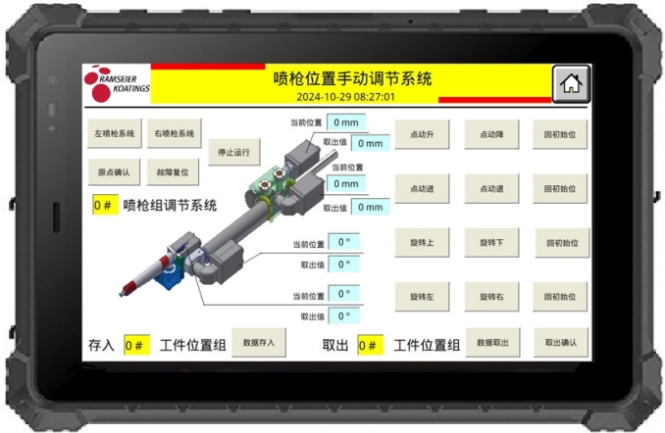
- Visualization: Data is presented in real time through dashboards, charts, and other visual tools, making it easy to understand and act on.
By integrating these components, real-time monitoring systems provide organizations with a comprehensive view of their operations, enabling them to respond quickly to changing conditions and make informed decisions.
The Role of Smart Data Management Systems
What Makes a Data Management System “Smart”?
A smart data management system goes beyond traditional data storage and retrieval by incorporating advanced technologies such as artificial intelligence, machine learning, and automation. These systems are designed to not only store and organize data but also to analyze, interpret, and act on it in real time.
Key features of smart data management systems include:
- Automated Data Processing: Data is automatically collected, cleaned, and processed, reducing the need for manual intervention.
- Predictive Analytics: Machine learning algorithms are used to predict future trends and outcomes based on historical data.
- Self-Optimization: The system continuously learns and adapts to changing conditions, improving its performance over time.
- Integration: Smart data management systems can seamlessly integrate with other systems and applications, enabling a unified view of data across the organization.
The Synergy Between Real-Time Monitoring and Smart Data Management
Real-time monitoring and smart data management systems are closely intertwined. Real-time monitoring provides the immediate visibility and insights needed to make timely decisions, while smart data management systems ensure that data is accurate, reliable, and actionable. Together, these technologies create a powerful synergy that enables organizations to harness the full potential of their data.
For example, a smart data management system can use real-time monitoring to detect anomalies in a manufacturing process, automatically trigger corrective actions, and provide recommendations for process improvements. This level of automation and intelligence not only improves efficiency but also reduces the risk of errors and downtime.
Benefits of Real-Time Monitoring in Smart Data Management
Enhanced Decision-Making
One of the most significant benefits of real-time monitoring is its ability to enhance decision-making. By providing immediate access to data and insights, organizations can make informed decisions quickly, reducing the risk of delays and missed opportunities. This is particularly important in industries such as finance, healthcare, and logistics, where timely decisions can have a significant impact on outcomes.
Improved Operational Efficiency
Real-time monitoring enables organizations to identify inefficiencies and bottlenecks in their operations, allowing them to take corrective actions promptly. For example, in a manufacturing environment, real-time monitoring can detect equipment failures or production issues, enabling maintenance teams to address problems before they escalate. This proactive approach not only improves operational efficiency but also reduces downtime and maintenance costs.
Enhanced Customer Experience
In today's competitive market, customer experience is a key differentiator. Real-time monitoring allows organizations to track customer interactions and feedback in real time, enabling them to respond quickly to customer needs and preferences. For example, a retail company can use real-time monitoring to track customer behavior on its website, identify trends, and personalize marketing campaigns in real time. This level of responsiveness can lead to increased customer satisfaction and loyalty.
Increased Security and Compliance
Real-time monitoring is also critical for ensuring security and compliance. By continuously monitoring data and systems, organizations can detect and respond to security threats and compliance violations immediately. For example, in the financial sector, real-time monitoring can detect fraudulent transactions and trigger alerts to prevent losses. Similarly, in healthcare, real-time monitoring can ensure that patient data is protected and that regulatory requirements are met.
Scalability and Flexibility
Smart data management systems with real-time monitoring capabilities are highly scalable and flexible, enabling organizations to adapt to changing business needs and data volumes. Whether an organization is expanding its operations, entering new markets, or adopting new technologies, real-time monitoring ensures that data is always accessible and actionable.
Applications of Real-Time Monitoring
Manufacturing and Industrial Automation
In manufacturing and industrial automation, real-time monitoring is used to track production processes, monitor equipment performance, and detect anomalies. This enables organizations to optimize production, reduce downtime, and improve product quality. For example, real-time monitoring can detect equipment failures, trigger maintenance alerts, and provide recommendations for process improvements.
Healthcare and Patient Monitoring
In healthcare, real-time monitoring is used to track patient vital signs, monitor treatment effectiveness, and detect potential health issues. This enables healthcare providers to respond quickly to changes in patient conditions, improve patient outcomes, and reduce the risk of complications. For example, real-time monitoring can alert healthcare providers to changes in a patient's heart rate or blood pressure, enabling timely interventions.
Financial Services and Fraud Detection
In financial services, real-time monitoring is used to detect fraudulent transactions, monitor market trends, and ensure compliance with regulatory requirements. This enables organizations to prevent losses, protect customer data, and maintain trust. For example, real-time monitoring can detect unusual transaction patterns, trigger alerts, and initiate investigations to prevent fraud.
Retail and Customer Experience
In retail, real-time monitoring is used to track customer behavior, monitor inventory levels, and optimize marketing campaigns. This enables organizations to personalize customer experiences, improve inventory management, and increase sales. For example, real-time monitoring can track customer interactions on a website, identify trends, and recommend personalized products or promotions.
Cybersecurity and Threat Detection
In cybersecurity, real-time monitoring is used to detect and respond to security threats, monitor network activity, and ensure compliance with security policies. This enables organizations to protect their data and systems from cyberattacks, reduce the risk of breaches, and maintain business continuity. For example, real-time monitoring can detect suspicious network activity, trigger alerts, and initiate incident response procedures.
Challenges and Considerations
Data Quality and Accuracy
One of the key challenges of real-time monitoring is ensuring data quality and accuracy. Poor-quality data can lead to incorrect insights and decisions, undermining the effectiveness of real-time monitoring. Organizations must implement robust data governance practices to ensure that data is accurate, reliable, and up to date.
Integration and Interoperability
Another challenge is integrating real-time monitoring systems with existing data management systems and applications. Organizations must ensure that their systems are interoperable and can seamlessly exchange data, enabling a unified view of data across the organization.
Privacy and Security
Real-time monitoring involves collecting and analyzing large amounts of data, raising concerns about privacy and security. Organizations must implement strong security measures to protect data and ensure compliance with privacy regulations.
Cost and Complexity
Implementing real-time monitoring and smart data management systems can be costly and complex, requiring significant investment in technology, infrastructure, and expertise. Organizations must carefully evaluate the costs and benefits of these systems and ensure that they align with their business goals.
The Future of Real-Time Monitoring
Advancements in Technology
The future of real-time monitoring is shaped by advancements in technology, such as artificial intelligence, machine learning, and the Internet of Things. These technologies enable organizations to process and analyze data at an unprecedented scale and speed, unlocking new possibilities for real-time monitoring.
Increased Adoption Across Industries
As the benefits of real-time monitoring become more widely recognized, adoption is expected to increase across industries. From manufacturing and healthcare to finance and retail, organizations are leveraging real-time monitoring to drive innovation and improve performance.
Greater Focus on Data Privacy and Security
As data privacy and security concerns continue to grow, organizations will place greater emphasis on protecting data and ensuring compliance with regulations. This will drive the development of more secure and privacy-preserving real-time monitoring solutions.
Integration with Emerging Technologies
Real-time monitoring will increasingly be integrated with emerging technologies, such as blockchain, edge computing, and 5G. These technologies will enable organizations to process and analyze data in real time, even in remote or resource-constrained environments.

Frequently Asked Questions
1. What is real-time monitoring in data management?
Real-time monitoring is the continuous observation and analysis of data as it is generated, enabling organizations to detect changes, identify trends, and respond to events immediately.
2. How does real-time monitoring improve decision-making?
Real-time monitoring provides immediate access to data and insights, allowing organizations to make informed decisions quickly and reduce the risk of delays and missed opportunities.
3. What are the main benefits of real-time monitoring?
The main benefits include enhanced decision-making, improved operational efficiency, enhanced customer experience, increased security and compliance, and scalability and flexibility.
4. What industries benefit most from real-time monitoring?
Industries such as manufacturing, healthcare, financial services, retail, and cybersecurity benefit significantly from real-time monitoring.
5. What challenges are associated with real-time monitoring?
Challenges include ensuring data quality and accuracy, integration and interoperability, privacy and security, and cost and complexity.
Hot Tags: China, Global, OEM, private label, manufacturers, factory, suppliers, manufacturing company





 CALL US ANY TIME









 Tel: +852 2363 2511
 Fax: +852 2764 0105
 E-mail:

 .
. 