
 CALL US ANY TIME
+852 2363 2511
CALL US ANY TIME


Author: ramseierkoatings Publish Time: 2025-12-08 Origin: Site


Content Menu
● Understanding Reciprocators in Powder Coating
>> The Role of Reciprocators in Powder Coating
● Benefits of Upgrading Your Reciprocator
>> Integration with Other Technologies
● Considerations Before Upgrading
>> Compatibility with Existing Systems
>> Assessing Your Current Equipment
>> Gathering Input from Your Team
In the world of powder coating, efficiency and quality are paramount. As businesses strive to enhance their operations, many are considering upgrading their equipment, particularly their reciprocators. This article explores the benefits and considerations of upgrading to a new reciprocator in your powder coating operation, helping you determine if it's the right move for your business.
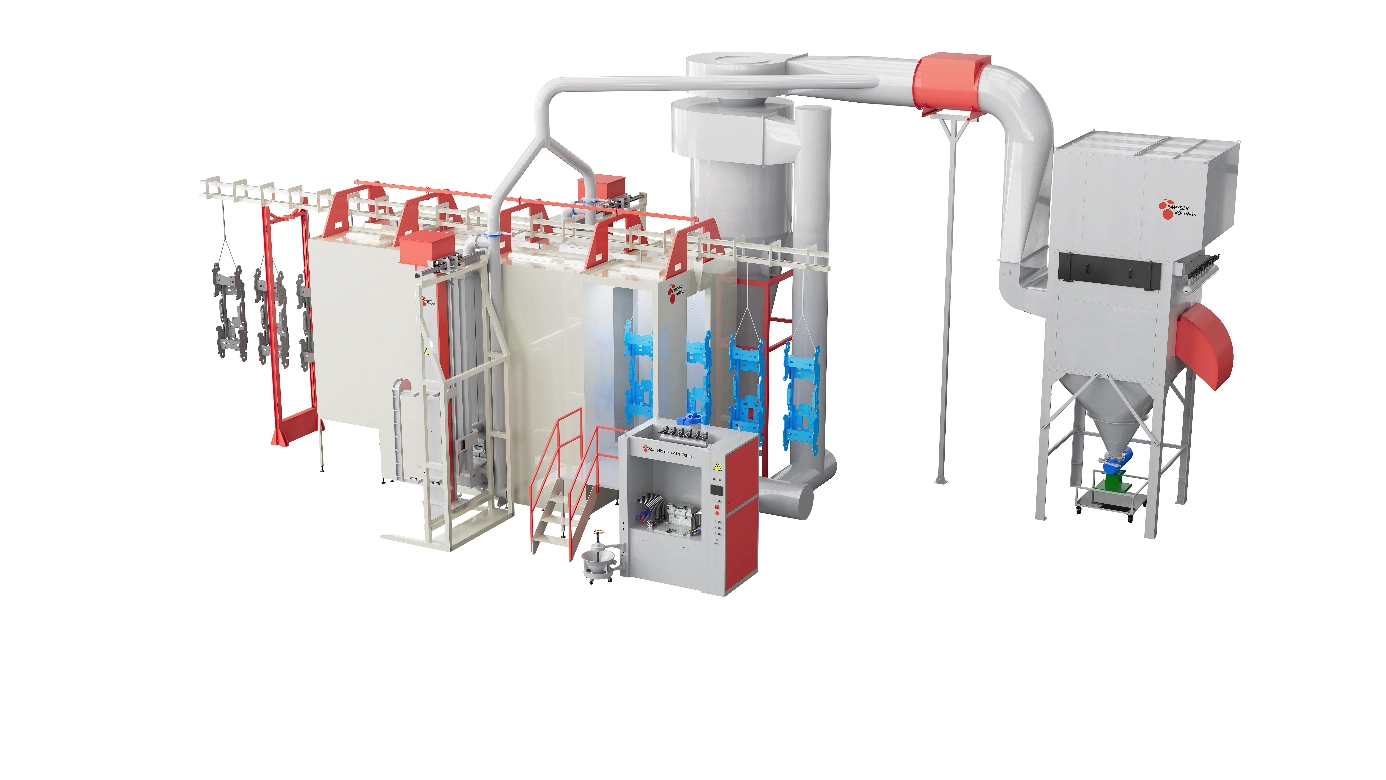
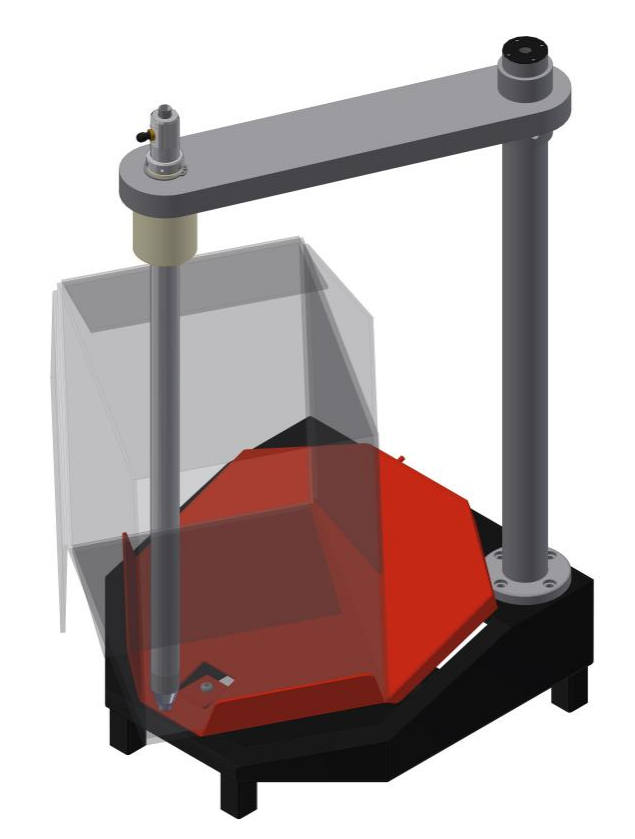
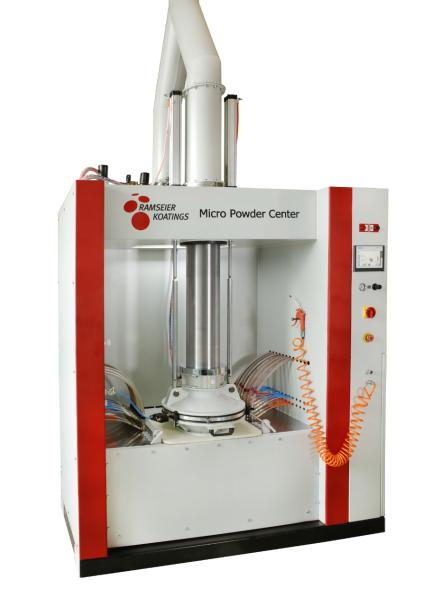
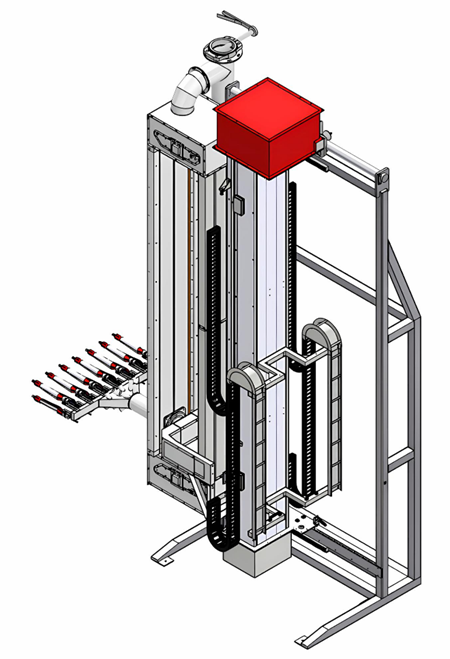
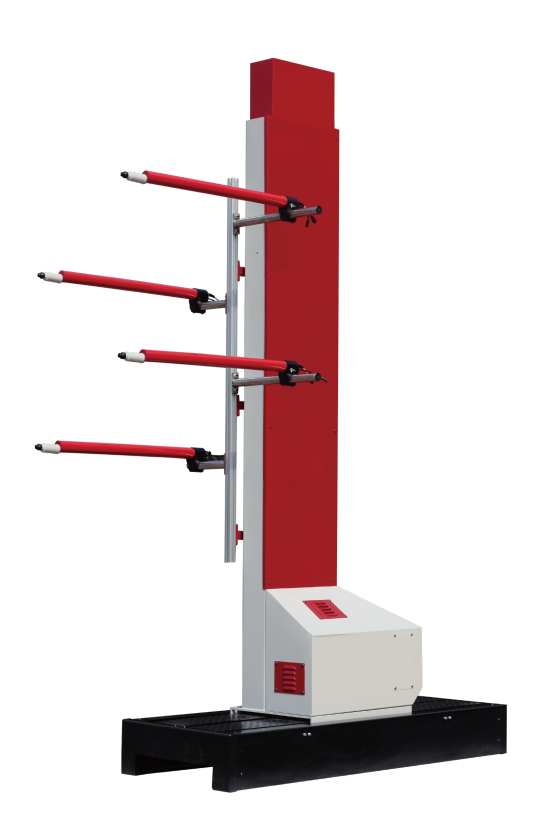
A reciprocator is a mechanical device used in powder coating systems to move spray guns back and forth across the surface of the item being coated. This movement ensures an even application of powder, which is crucial for achieving a high-quality finish. Reciprocators can be manual or automated, with automated systems offering greater precision and efficiency.
Reciprocators play a vital role in the powder coating process. They help in:
- Uniform Coating: By moving the spray guns consistently, reciprocators ensure that the powder is applied evenly across the surface.
- Increased Efficiency: Automated reciprocators can operate continuously, reducing the time needed for manual application.
- Reduced Labor Costs: With automation, fewer operators are needed, which can lead to significant cost savings.
One of the primary reasons to consider upgrading your reciprocator is the potential for enhanced efficiency. Newer models often come with advanced features such as programmable settings, which allow for precise control over the speed and movement of the spray guns. This can lead to faster production times and reduced waste of powder.
Upgrading to a modern reciprocator can significantly improve the quality of your powder coating. New technologies allow for better control of the spray pattern and application thickness, resulting in a more uniform finish. This is particularly important for industries where aesthetics are crucial, such as automotive and consumer goods.
Modern reciprocators often come with features that allow for greater flexibility in production. For example, some models can easily switch between different spray guns or adjust to various part sizes without extensive reconfiguration. This adaptability can be a significant advantage in a fast-paced manufacturing environment.
Older reciprocators may require frequent maintenance and repairs, which can be costly and time-consuming. Newer models are designed with durability in mind, often requiring less maintenance and offering longer operational lifespans. This can lead to lower overall costs in the long run.
Upgrading your reciprocator can also facilitate better integration with other technologies in your powder coating operation. For instance, modern systems can be integrated with automated conveyor systems, enhancing the overall efficiency of the coating process. This integration can streamline operations and reduce bottlenecks.
While the benefits of upgrading a reciprocator are clear, the cost is a significant consideration. New reciprocators can be a substantial investment, and it's essential to evaluate whether the potential savings and efficiency gains justify the expense. Conducting a cost-benefit analysis can help in making this decision.
Upgrading to a new system may require additional training for your staff. While many modern reciprocators are user-friendly, ensuring that your team is adequately trained to operate the new equipment is crucial for maximizing its benefits. Consider the time and resources needed for training when planning your upgrade.
Before upgrading, it's essential to assess whether the new reciprocator will be compatible with your existing powder coating system. This includes evaluating the electrical and mechanical compatibility, as well as ensuring that the new equipment can integrate seamlessly with your current processes.
Consider your production volume when deciding to upgrade. If your operation is experiencing increased demand, a new reciprocator may be necessary to keep up with production needs. However, if your volume is stable or declining, it may be worth exploring other options before committing to an upgrade.
Think about your long-term goals for your powder coating operation. If you anticipate growth or changes in your product line, investing in a new reciprocator that can accommodate these changes may be a wise decision. Future-proofing your equipment can save you from needing another upgrade in the near future.
Before making a decision, conduct a thorough assessment of your current reciprocator. Consider factors such as its age, performance, and maintenance history. If your equipment is frequently breaking down or not meeting production demands, it may be time to consider an upgrade.
Involve your team in the decision-making process. Operators who work with the equipment daily can provide valuable insights into its performance and any challenges they face. Their feedback can help you make a more informed decision about whether to upgrade.
Take the time to research different reciprocator models and manufacturers. Look for reviews and case studies from other businesses in your industry. This research can help you identify the best options for your specific needs and budget.
If you're unsure about the best course of action, consider consulting with industry experts or equipment suppliers. They can provide valuable insights and recommendations based on your specific situation and goals.
Upgrading your reciprocator can offer numerous benefits, including enhanced efficiency, improved coating quality, and reduced maintenance costs. However, it's essential to carefully consider the costs, training requirements, and compatibility with existing systems before making a decision. By thoroughly assessing your current equipment and gathering input from your team, you can make an informed choice that aligns with your business goals.
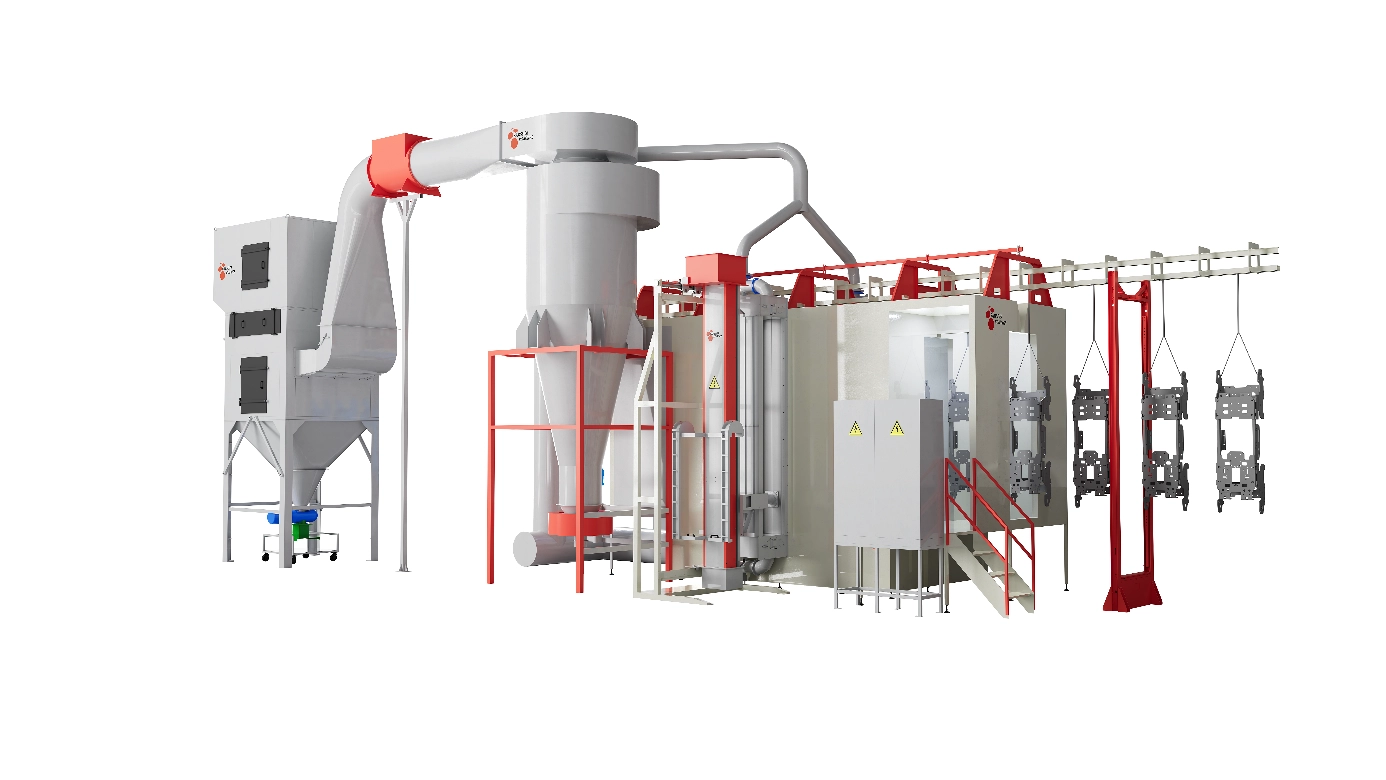
1. What are the signs that I need to upgrade my reciprocator?
- Signs include frequent breakdowns, inconsistent coating quality, and increased maintenance costs.
2. How much does a new reciprocator typically cost?
- Costs can vary widely based on the model and features, ranging from a few thousand to tens of thousands of dollars.
3. Will my team need training to use a new reciprocator?
- Yes, training is often necessary to ensure that your team can effectively operate the new equipment.
4. Can I integrate a new reciprocator with my existing powder coating system?
- Most modern reciprocators are designed for compatibility, but it's essential to verify this before purchasing.
5. What factors should I consider when choosing a new reciprocator?
- Consider efficiency, coating quality, flexibility, maintenance costs, and compatibility with your current systems.
Hot Tags: China, Global, OEM, private label, manufacturers, factory, suppliers, manufacturing company









 9/F,Hung Tak Building,106-108 Des Voeux Road Central,Hong Kong
 Tel: +852 2363 2511
 Fax: +852 2764 0105
 E-mail: info@ramseierkoatings.com


 .
.


