Content Menu
● Understanding the value of a DMS in coating
● Assessing the current landscape
● Defining objectives and success metrics
● Designing the integration architecture
● Choosing the right data integration approach
● Ensuring data quality and harmonization
● Integration steps: a practical roadmap
● Operationalizing governance and security
● User adoption and change management
● Performance tuning and continuous improvement
● Potential challenges and mitigation strategies
● Industry considerations and standards
● Example use cases
● Data lifecycle considerations
● Change control and versioning
● Training and enablement resources
● Roadmap for the next 12 months
● FAQs
In modern manufacturing, coating operations are increasingly data-driven. A Data Management System (DMS) can unlock visibility, quality control, and traceability across coating lines. This article outlines a practical approach to integrating a DMS into existing coating equipment, detailing planning, architecture, implementation steps, and governance. By following these guidelines, facilities can realize improved throughput, reduced waste, and better decision-making without disrupting current production.
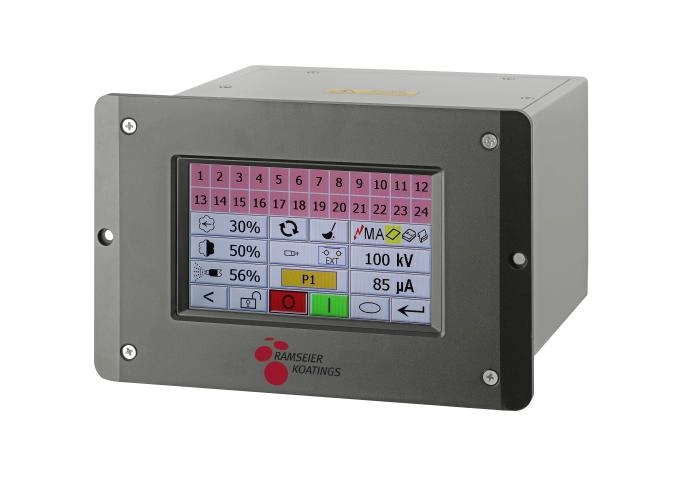
Understanding the value of a DMS in coating
A Data Management System centralizes data from disparate sources and provides a consistent framework for collection, storage, processing, and retrieval. For coating operations, this translates into real-time process monitoring, historical analysis, predictive maintenance, and compliance reporting. A well-implemented DMS supports better control over variables such as viscosity, flow rate, temperature, cure time, and deposition thickness, leading to consistent product quality and traceability across batches and lots.
Assessing the current landscape
Before selecting a DMS, conduct a thorough assessment of the existing coating equipment and data landscape. This involves cataloging sensors, controllers, PLCs, SCADA systems, and enterprise software that generate or consume data. Map data flows, identify data owners, assess data quality, and determine pain points. Common issues include data silos, inconsistent units, time synchronization gaps, and limited access for operators and engineers. A clear baseline helps tailor the integration strategy to your specific environment.
Defining objectives and success metrics
Set clear objectives for the DMS integration. Typical goals include improved first-pass yield, reduced coating variability, shorter maintenance intervals, and faster deviation investigations. Establish measurable success criteria such as reduction in scrap rate, percent improvement in process OEE, data latency targets, and the percentage of devices exporting data automatically. Align these metrics with broader business goals to secure stakeholder buy-in.
Designing the integration architecture
A robust architecture balances on-site devices with cloud or on-premises data storage, depending on security and latency requirements. Key architectural components include:
- Data collection layer: Interfaces with PLCs, HMIs, sensors, and control systems to capture process parameters and equipment health.
- Data normalization layer: Transforms raw data into standardized formats, units, and timestamp synchronization to enable meaningful analysis.
- Central data repository: A scalable database or data lake that stores structured and semi-structured data, considering retention policies and access controls.
- Data processing and analytics layer: Provides dashboards, anomaly detection, predictive maintenance, and batch analysis.
- Visualization and alerting layer: Delivers actionable insights to operators and engineers through dashboards and notifications.
- Governance and security layer: Manages access control, data lineage, and compliance with industry standards.
Choosing the right data integration approach
There are multiple paths to integration, and the best choice depends on the plant's maturity, security posture, and latency requirements. Common approaches include:
- API-first integration: Exposes data through standardized APIs, enabling flexible connections to HMI, MES, and ERP systems.
- OPC Unified Architecture (OPC UA): A widely adopted protocol for industrial automation that supports secure, scalable data exchange.
- Edge computing: Performs initial data processing near the source to reduce bandwidth needs and enable real-time decisions.
- Flat-file and historian bridges: Useful for legacy equipment with limited connectivity, enabling periodic data exports to a central repository.
Ensuring data quality and harmonization
High-quality data is essential for reliable insights. Implement data quality controls such as validation rules, unit normalization, and timestamp alignment. Establish data governance practices, including data ownership, versioning, and provenance. Regularly audit data pipelines to detect gaps, inconsistencies, and abnormal values that could mislead analyses.
Integration steps: a practical roadmap
Phase one: readiness and design
- Assemble a cross-functional project team including production, maintenance, IT, and quality.
- Define success metrics, data sources, and required data models.
- Select a pilot coating line or a subset of equipment to minimize risk.
- Develop a high-level architecture diagram and data dictionary.
Phase two: infrastructure setup
- Implement the central data repository with appropriate storage tiers and indexing.
- Establish secure communication channels between equipment and the DMS using approved protocols.
- Create data ingestion pipelines with fault tolerance and data validation.
Phase three: data modeling and dashboards
- Define standardized data schemas for process variables, quality metrics, and maintenance events.
- Build dashboards that reflect operator needs, including real-time process status and historical trend views.
- Implement alert rules for deviations and critical equipment conditions.
Phase four: pilot deployment and refinement
- Run the pilot line under normal production to validate performance and stability.
- Collect feedback from operators and engineers to refine data displays and alarm thresholds.
- Address any data gaps or latency issues identified during the pilot.
Phase five: scale and optimize
- Roll out to additional lines, ensuring consistent data models and governance.
- Introduce advanced analytics such as control charting, regression analysis, and predictive maintenance.
- Establish a continuous improvement loop to incorporate learnings from each phase.
Operationalizing governance and security
A DMS touches sensitive process data. Establish clear governance policies that define data ownership, retention, access rights, and data sharing with suppliers or customers. Implement role-based access control, encryption at rest and in transit, and regular security audits. Maintain an audit trail of data changes and pipeline configurations to support traceability and compliance.
User adoption and change management
Successful integration depends on user adoption. Invest in training programs that cover data interpretation, dashboard navigation, and alarm handling. Involve operators early in the design process to ensure interfaces are intuitive and aligned with daily tasks. Create quick-start guides and offer ongoing support to reduce resistance to change.
Performance tuning and continuous improvement
After implementation, monitor system performance and user feedback. Track data latency, data completeness, and the accuracy of analytics outputs. Periodically recalibrate sensor baselines and retrain anomaly detection models as equipment ages or processes evolve. Establish a cadence for governance reviews, technology refresh, and security updates.
Potential challenges and mitigation strategies
- Heterogeneous equipment and legacy systems: Use adapters and middleware to bridge different data protocols and formats.
- Data volume and storage costs: Implement data retention policies, tiered storage, and selective data sampling for analytics.
- Downtime during integration: Plan for phased rollouts during planned maintenance windows and maintain rollback procedures.
- Change resistance: Communicate benefits clearly, celebrate early wins, and provide hands-on training.
Industry considerations and standards
Coating operations span diverse industries such as automotive, electronics, and packaging. Align the DMS with relevant standards and quality frameworks to support regulatory compliance and traceability. Common considerations include data integrity, calibration records, and batch genealogy. Engaging with standards bodies and industry groups can help ensure the system meets current and evolving requirements.
Example use cases
- Real-time process control: Operators observe live coating thickness, viscosity, and temperature, enabling immediate adjustments to maintain target tolerances.
- Quality assurance and traceability: Each batch is linked to machine settings, material lots, and environmental conditions, supporting inquiries and recalls if needed.
- Predictive maintenance: Historical vibration, temperature, and usage data inform maintenance schedules before failures occur.
- Continuous improvement: Data-driven analyses identify process drifts and opportunities to optimize parameters for better yield.
Data lifecycle considerations
- Data collection: Capture data at the source with accurate timestamps and unit consistency.
- Data storage: Choose scalable storage with appropriate redundancy and backups.
- Data processing: Apply transforms and calculations to derive meaningful metrics.
- Data retention: Define how long data is kept and when it is archived or purged.
- Data destruction: Ensure secure deletion in accordance with policies and regulations.
Change control and versioning
Document changes to data models, dashboards, and ingestion pipelines. Use version control for configuration files and maintain change logs. Establish a formal change approval process to prevent unintended disruptions to production data flows.
Training and enablement resources
- Operator training on interpreting dashboards and responding to alerts.
- Maintenance crew training on data capture and device health monitoring.
- IT and data science training on governance, analytics, and security best practices.
Roadmap for the next 12 months
- Q1: Complete readiness assessment, finalize pilot scope, and set success metrics.
- Q2: Deploy core data ingestion and governance framework in pilot line.
- Q3: Expand to additional lines, implement predictive maintenance capabilities.
- Q4: Optimize analytics, formalize change management, and prepare for expansion to other facilities.
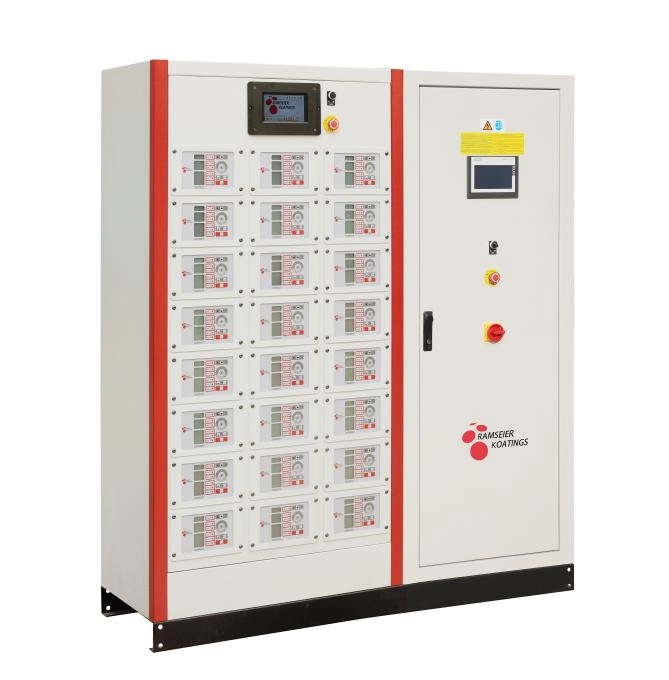
FAQs
- What is a Data Management System and why is it important for coating operations?
A Data Management System collects, stores, and analyzes data from coating equipment to improve process control, quality, and traceability.
- How do I start a DMS integration without stopping production?
Begin with a pilot on a single line, establishing non-disruptive data connections and using read-only access for operators during the rollout.
- What data should be captured for effective coating analytics?
Capture process variables such as viscosity, temperature, flow rate, ambient conditions, cure time, and deposition thickness, along with equipment health and material lot information.
- How can you ensure data quality across heterogeneous equipment?
Implement data validation, unit normalization, timestamp synchronization, and regular data quality audits to maintain consistency.
- What governance practices support compliance and security?
Define data ownership, access controls, retention policies, audit trails, and regular security reviews to safeguard data integrity.
- How can predictive maintenance benefit coating equipment?
Predictive maintenance uses historical data to forecast failures, enabling proactive service that reduces unplanned downtime and extends equipment life.
- How should the DMS handle legacy systems?
Use adapters, middleware, or historian bridges to integrate legacy devices with modern data models and protocols.
- What is the role of dashboards in a DMS for coating lines?
Dashboards provide real-time visibility, trend analysis, and actionable alerts, helping operators and engineers respond quickly.
- How can the DMS support regulatory compliance?
By maintaining traceability records, calibration histories, and audit logs that demonstrate adherence to quality and safety standards.
- What is a practical first step to begin the integration journey?
Assemble a cross-functional team, select a pilot line, and define concrete success metrics to guide the initial implementation.
Hot Tags: China, Global, OEM, private label, manufacturers, factory, suppliers, manufacturing company





 CALL US ANY TIME









 Tel: +852 2363 2511
 Fax: +852 2764 0105
 E-mail:

 .
. 