Content Menu
● What Are Smart Reciprocators?
>> Definition and Basic Functionality
>> Components of Smart Reciprocators
● How Smart Reciprocators Enhance Coating Automation
>> Improved Precision and Consistency
>> Increased Throughput and Efficiency
>> Versatility Across Coating Applications
>> Enhanced Process Control and Monitoring
● Practical Industry Applications of Smart Reciprocators
>> Automotive Coatings
>> Electronics Manufacturing
>> Packaging and Printing
>> Aerospace and Defense
● Key Features Driving Transformation
>> Adaptive Stroke Control
>> Programmability and Recipe Management
>> Remote Diagnostics and Maintenance Alerts
>> Energy Efficiency
● Challenges and Considerations in Smart Reciprocator Implementation
>> Initial Investment Costs
>> System Integration Complexity
>> Operator Training
>> Maintenance and Software Updates
● Future Trends in Smart Reciprocators for Coating Automation
>> AI-Driven Optimization
>> Enhanced Connectivity via Industry 4.0
>> Miniaturization and Customization
>> Sustainable Coating Processes
● Frequently Asked Questions
In today's fast-paced manufacturing landscape, automation continues to evolve, pushing industries to higher standards of precision, efficiency, and quality. One standout innovation revolutionizing coating automation is the advent of smart reciprocators. These intelligent devices optimize the motion and control of coating applications, enhancing productivity and consistency while reducing costs and human error. This article explores how smart reciprocators are transforming coating automation across various sectors, their key features, benefits, challenges, and future trends.
What Are Smart Reciprocators?
Definition and Basic Functionality
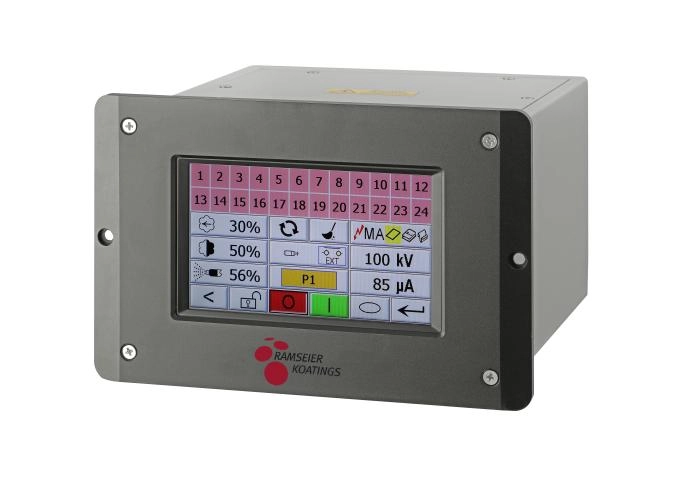
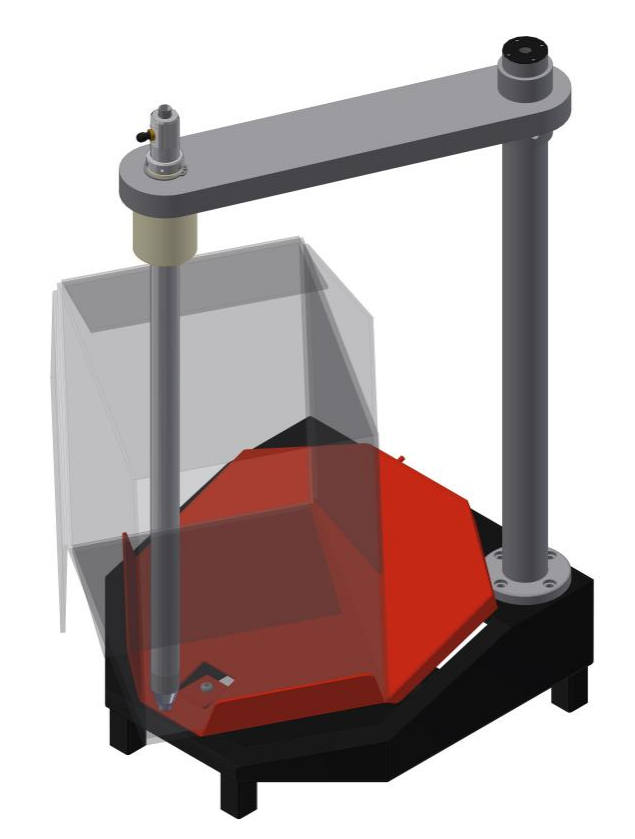
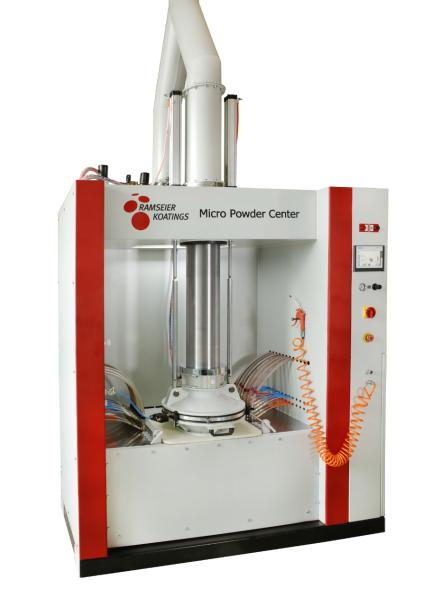
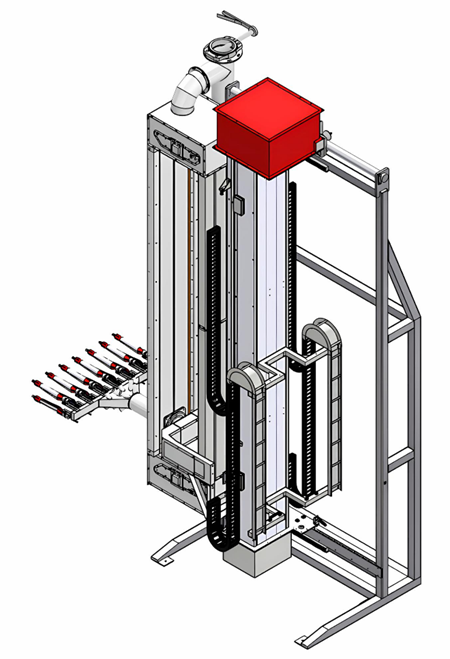
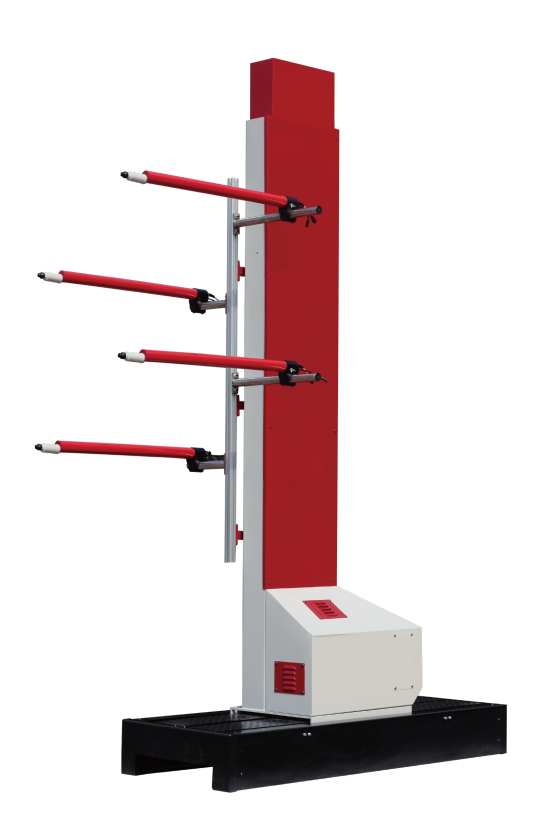
Smart reciprocators are advanced mechanical devices designed to move coating applicators in a controlled, linear reciprocating motion. Unlike traditional manual or semi-automated reciprocators, these machines incorporate intelligent components such as sensors, microcontrollers, and feedback systems. This enables precise control over speed, stroke length, acceleration, and timing, adapting dynamically to the requirements of different coating processes.
Components of Smart Reciprocators
- Motor and Drive System: High-precision motors (servo or stepper) provide smooth, repeatable reciprocation.
- Sensors: Position sensors and load sensors monitor stroke and force in real-time.
- Control Algorithms: Embedded software optimizes motion parameters and ensures consistent coating thickness.
- User Interface: Touchscreens or integrated software allow operators to set and modify operation parameters easily.
- Connectivity Modules: Enable integration into larger manufacturing execution systems (MES) for data sharing and remote control.
How Smart Reciprocators Enhance Coating Automation
Improved Precision and Consistency
Smart reciprocators enable coating applicators to move with micron-level precision, maintaining uniform thickness and smooth finish. This dramatically reduces material waste and rework while guaranteeing high-quality surface finishes across batches.
- Accurate stroke length settings prevent over- or under-coating.
- Adaptive speed control compensates for varying substrate properties.
- Real-time feedback corrects deviations instantly.
Increased Throughput and Efficiency
Automation with smart reciprocators minimizes manual intervention, resulting in faster coating cycles and reduced downtime.
- Precise control reduces the need for quality inspections.
- Integrated monitoring helps anticipate maintenance, thus avoiding unplanned stops.
- The ability to program multiple coating parameters saves setup time for different products.
Versatility Across Coating Applications
Smart reciprocators can be tailored to support a wide variety of coating mediums and multilayer processes such as paints, varnishes, adhesives, and even thin films on electronics.
- Compatible with various applicator types: spray guns, rollers, blades.
- Programmable for complex reciprocation patterns and dwell times.
- Suitable for flat, curved, and irregular surfaces.
Enhanced Process Control and Monitoring
Through IoT connectivity and advanced software, smart reciprocators provide comprehensive process analytics.
- Data logging for quality control documentation.
- Remote monitoring and diagnostics improve uptime.
- Integration with automated material dispensers optimizes coating volume.
Practical Industry Applications of Smart Reciprocators
Automotive Coatings
In automotive manufacturing, consistent paint application is critical for aesthetics and corrosion resistance. Smart reciprocators offer:
- Uniform layer deposition over complex car panels.
- Reduction in overspray and VOC emissions.
- Adaptive motion patterns synchronized with robotic arms.
Electronics Manufacturing
For sensitive electronics requiring precise conformal coatings, smart reciprocators deliver:
- Controlled strokes to avoid damaging components.
- Precision suitable for microelectronics and PCB coating.
- Seamless integration with pick-and-place machines.
Packaging and Printing
Smart reciprocators ensure flawless decorative and protective coatings on packaging substrates:
- Handling of flexible and rigid materials.
- Ability to change stroke length rapidly to match print sizes.
- Real-time thickness monitoring enhances print quality.
Aerospace and Defense
Coatings in aerospace demand extraordinary durability and accuracy. Smart reciprocators help achieve:
- Repeatable application of protective coatings.
- Consistent coverage on large, uneven surfaces.
- Reduction in manual labor in hazardous environments.
Key Features Driving Transformation
Adaptive Stroke Control
Smart reciprocators can dynamically adjust stroke length and speed based on sensor inputs, enhancing the response to substrate inconsistencies or coating viscosity changes.
Programmability and Recipe Management
Operators can program multiple coating recipes which are recalled instantly, reducing changeover time and ensuring process repeatability across shifts.
Remote Diagnostics and Maintenance Alerts
Devices monitor motor load, cycle counts, and sensor feedback to predict failures and schedule maintenance, minimizing unplanned downtime.
Energy Efficiency
Optimized motor control and motion profiles reduce power consumption compared to traditional reciprocating mechanisms.
Challenges and Considerations in Smart Reciprocator Implementation
Initial Investment Costs
The sophisticated components and software integration result in higher upfront costs than basic machines. However, ROI is realized through quality improvement and reduced waste.
System Integration Complexity
Smart reciprocators need to be integrated into existing production lines, which may require coordination with other automated systems and IT infrastructure.
Operator Training
Personnel require training on device programming, troubleshooting, and data interpretation to fully exploit smart reciprocators' capabilities.
Maintenance and Software Updates
Keeping firmware updated and maintaining sensors is essential to sustain performance and security.
Future Trends in Smart Reciprocators for Coating Automation
AI-Driven Optimization
Artificial intelligence algorithms will enable further self-optimization, learning from past runs to refine stroke parameters and adapt autonomously to new materials or conditions.
Enhanced Connectivity via Industry 4.0
The rise of smart factories will see reciprocators fully integrated with sensors and robots, facilitating coordinated, end-to-end automated coating.
Miniaturization and Customization
Smaller, application-specific smart reciprocators will emerge for micro-coating in electronics and medical devices, offering ultra-precise control.
Sustainable Coating Processes
Smart reciprocators will aid eco-friendly manufacturing by optimizing material usage, reducing overspray, and enabling waterborne or powder coatings.
Frequently Asked Questions
Q1: How do smart reciprocators improve coating quality compared to manual methods?
Smart reciprocators provide precise, repeatable motion control that ensures uniform coating thickness and smooth finishes, significantly reducing human error and inconsistent application.
Q2: Can smart reciprocators be used with different types of coatings?
Yes, they are highly versatile and compatible with various applicators and coating materials such as paints, adhesives, varnishes, and thin films across multiple industries.
Q3: What are the main cost benefits of adopting smart reciprocators?
Although the initial investment is higher, smart reciprocators reduce material waste, lower rework rates, minimize downtime through predictive maintenance, and improve throughput, resulting in overall cost savings.
Q4: How does connectivity enhance the function of smart reciprocators?
Connectivity allows remote monitoring, data logging for quality assurance, and integration with other automated systems, enabling smarter control and faster troubleshooting.
Q5: Are there any limitations when implementing smart reciprocators in an existing production line?
Integration complexity, operator training, and upfront costs are challenges, but proper planning and vendor support can ensure smooth adoption and long-term benefits.
Hot Tags: China, Global, OEM, private label, manufacturers, factory, suppliers, manufacturing company





 CALL US ANY TIME









 Tel: +852 2363 2511
 Fax: +852 2764 0105
 E-mail:

 .
. 