Content Menu
● Understanding Smart Control Systems
>> What Are Smart Control Systems?
>> Key Components of Smart Control Systems
● The Role of Smart Control Systems in Powder Coating
>> Reducing Material Waste
>> Enhancing Quality Control
>> Increasing Operational Efficiency
● Financial Benefits of Smart Control Systems
>> Cost Savings
>> Return on Investment (ROI)
● Case Studies: Success Stories
>> Example 1: Automotive Industry
>> Example 2: Electronics Manufacturing
● Future Trends in Smart Control Systems
>> Integration with IoT and AI
>> Sustainability Initiatives
● Conclusion
>> Frequently Asked Questions
In the modern manufacturing landscape, the integration of smart control systems has revolutionized various processes, particularly in powder coating applications. These systems leverage advanced technologies to enhance efficiency, reduce waste, and ultimately save costs. This article explores how smart control systems optimize powder usage and the financial benefits they bring to manufacturers.
Understanding Smart Control Systems
What Are Smart Control Systems?
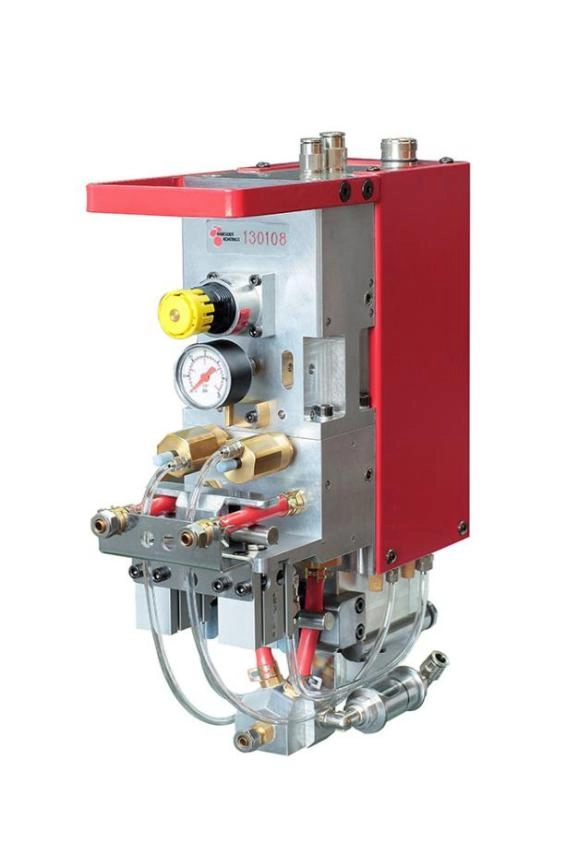
Smart control systems are automated frameworks that utilize technologies such as sensors, data analytics, and artificial intelligence (AI) to monitor and control manufacturing processes. In the context of powder coating, these systems ensure that the application of powder is precise and efficient, minimizing waste and maximizing quality.
Key Components of Smart Control Systems
1. Sensors: These devices collect real-time data on various parameters, including temperature, humidity, and powder application rates.
2. Data Analytics: Advanced algorithms analyze the data collected by sensors to identify trends and optimize processes.
3. User Interfaces: Intuitive interfaces allow operators to monitor and adjust settings easily, ensuring optimal performance.
The Role of Smart Control Systems in Powder Coating
Reducing Material Waste
One of the most significant advantages of smart control systems is their ability to minimize material waste. Traditional powder coating processes often result in overspray and inconsistent application, leading to substantial material loss. Smart systems address this issue by:
- Precise Application: By controlling the amount of powder applied, these systems ensure that only the necessary amount is used, significantly reducing overspray.
- Real-Time Adjustments: Smart systems can adjust parameters on-the-fly based on real-time data, ensuring optimal application conditions.
Enhancing Quality Control
Quality control is critical in manufacturing, especially in industries where product finish is paramount. Smart control systems contribute to improved quality by:
- Consistent Application: Automated adjustments help maintain uniform powder application, reducing defects such as uneven coating.
- Predictive Maintenance: By continuously monitoring equipment performance, these systems can predict potential failures, allowing for timely maintenance and reducing the risk of defects.
Increasing Operational Efficiency
Operational efficiency is vital for reducing costs and improving productivity. Smart control systems enhance efficiency through:
- Automated Processes: Automation reduces the need for manual intervention, minimizing human error and speeding up production.
- Data-Driven Decisions: The insights gained from data analytics enable manufacturers to make informed decisions that optimize production workflows.
Financial Benefits of Smart Control Systems
Cost Savings
The implementation of smart control systems can lead to substantial cost savings in several ways:
1. Reduced Material Costs: By minimizing powder waste, manufacturers can significantly lower their material expenses.
2. Lower Labor Costs: Automation reduces the need for manual labor, leading to lower labor costs and increased productivity.
3. Decreased Maintenance Costs: Predictive maintenance capabilities help avoid costly repairs and unplanned downtime, further contributing to savings.
Return on Investment (ROI)
Investing in smart control systems can yield a high return on investment. The initial costs associated with implementing these systems are often offset by the long-term savings achieved through reduced waste, lower labor costs, and improved efficiency.
Case Studies: Success Stories
Example 1: Automotive Industry
A leading automotive manufacturer implemented a smart control system in their powder coating line. By optimizing powder application and reducing overspray, they achieved a 30% reduction in material costs. Additionally, the predictive maintenance features of the system helped them avoid costly downtime, resulting in a significant increase in overall productivity.
Example 2: Electronics Manufacturing
An electronics manufacturer adopted smart control systems to enhance their powder coating process. The result was a 25% decrease in labor costs due to automation and a 40% reduction in material waste. The improved quality control measures also led to fewer defects, enhancing customer satisfaction and reducing rework costs.
Future Trends in Smart Control Systems
Integration with IoT and AI
The future of smart control systems lies in their integration with the Internet of Things (IoT) and artificial intelligence. This combination will enable even more sophisticated data analysis and real-time adjustments, further optimizing powder usage and reducing costs.
Sustainability Initiatives
As manufacturers increasingly focus on sustainability, smart control systems will play a crucial role in minimizing environmental impact. By reducing waste and energy consumption, these systems contribute to more sustainable manufacturing practices.
Conclusion
Smart control systems are transforming the powder coating industry by optimizing powder usage and delivering significant cost savings. Through precise application, enhanced quality control, and increased operational efficiency, these systems not only improve the bottom line but also support sustainability initiatives. As technology continues to evolve, the potential for smart control systems to further enhance manufacturing processes is immense.

Frequently Asked Questions
1. What is a smart control system in powder coating?
A smart control system is an automated framework that uses sensors, data analytics, and AI to monitor and control the powder coating process, optimizing various parameters for efficiency and quality.
2. How do smart control systems reduce material waste?
They minimize overspray by precisely controlling the amount of powder applied and making real-time adjustments based on environmental conditions.
3. What are the financial benefits of implementing smart control systems?
Key benefits include reduced material and labor costs, lower maintenance expenses, and a high return on investment through increased efficiency.
4. Can smart control systems improve product quality?
Yes, by ensuring consistent application and enabling predictive maintenance, these systems help reduce defects and enhance overall product quality.
5. What future trends can we expect in smart control systems?
Future trends include greater integration with IoT and AI technologies, leading to more sophisticated data analysis and real-time process optimization, as well as a focus on sustainability.
Hot Tags: China, Global, OEM, private label, manufacturers, factory, suppliers, manufacturing company





 CALL US ANY TIME









 Tel: +852 2363 2511
 Fax: +852 2764 0105
 E-mail:

 .
. 