Content Menu
● Understanding Reciprocators and Their Role in Powder Handling
>> What is a Reciprocator?
>> Importance of Reciprocators in Powder Transfer
● How Reciprocators Reduce Powder Waste
>> Enhancing Powder Flow and Preventing Segregation
>> Reducing Powder Build-Up and Blockages
>> Minimizing Spillage During Transfer
● Increasing Transfer Efficiency Through Precise Motion Control
>> Uniform Powder Distribution
>> Improved Filling Accuracy and Repeatability
>> Facilitating Automated Processes
● Types of Reciprocators and Their Applications in Powder Transfer
>> Linear Reciprocators
>> Rotary Reciprocators
>> Pneumatic Reciprocators
● Benefits of Using Reciprocators in Powder Processing
>> Decreased Material Waste
>> Enhanced Product Quality
>> Reduced Maintenance and Downtime
>> Increased Throughput and Operational Efficiency
● Implementing Reciprocators: Best Practices
>> Selecting the Right Reciprocator Type
>> Optimizing Motion Parameters
>> Routine Monitoring and Maintenance
● Frequently Asked Questions
>> How do reciprocators specifically help in pharmaceutical powder handling?
>> Can reciprocators be retrofitted into existing powder transfer systems?
>> Are reciprocators effective for all types of powders?
>> What maintenance is required for reciprocators?
>> Do reciprocators generate dust during operation?
In industrial processes involving powder handling, minimizing waste and maximizing transfer efficiency are critical goals. Reciprocators play a pivotal role in achieving these objectives by optimizing the movement and deposition of powders in various manufacturing systems. This article explores the mechanism of reciprocators, how they reduce powder waste, improve transfer efficiency, and the benefits they bring to industries such as pharmaceuticals, food processing, and chemical manufacturing.
Understanding Reciprocators and Their Role in Powder Handling
What is a Reciprocator?
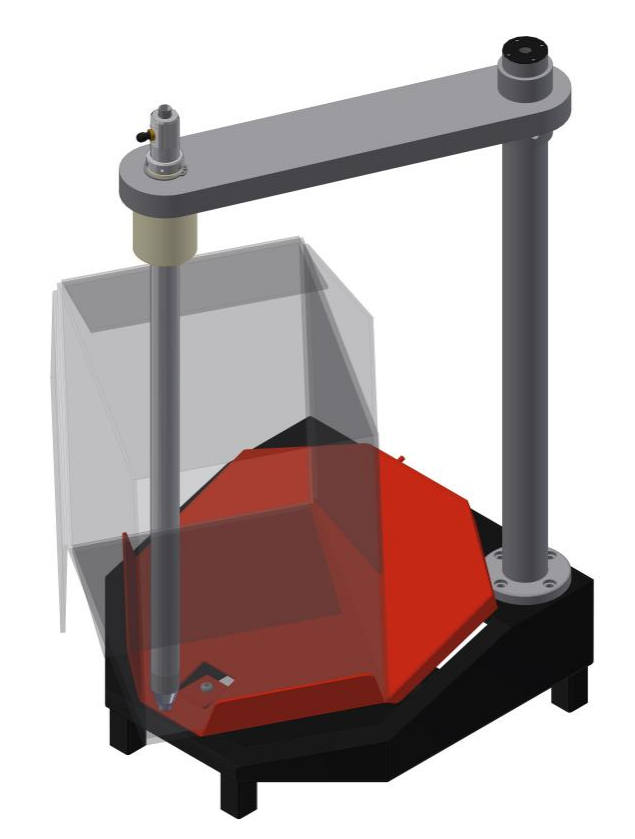
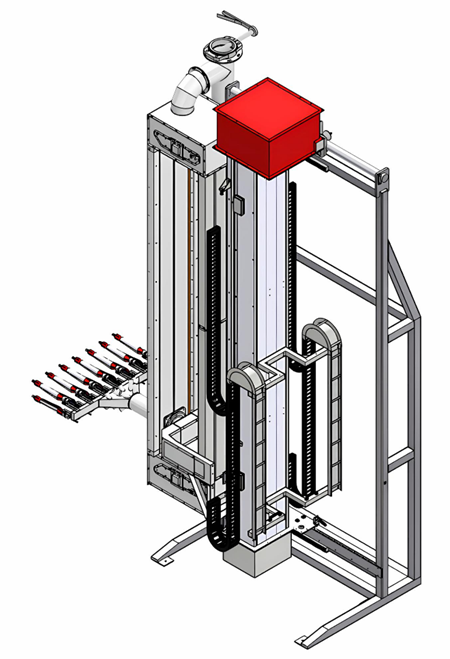
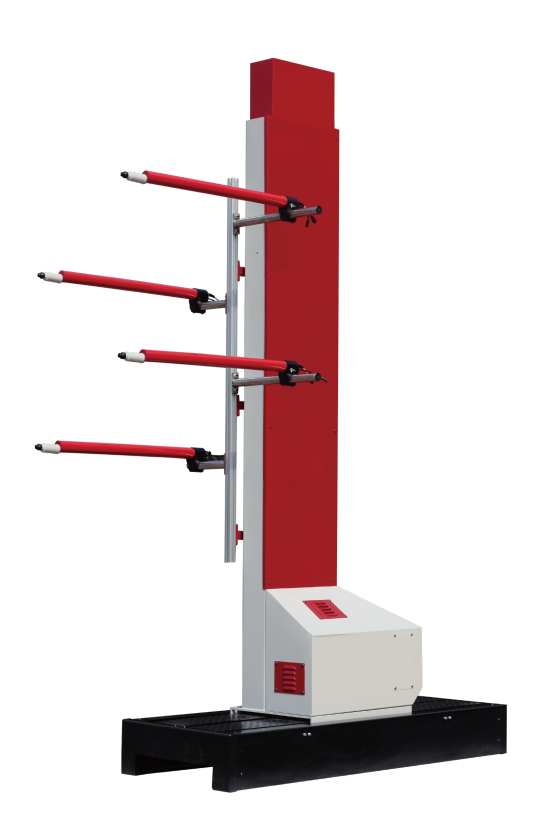
A reciprocator is a mechanical device designed to execute precise back-and-forth or up-and-down motions in manufacturing and processing equipment. Its primary function is to facilitate the uniform distribution or transfer of materials, especially powders, by inducing a controlled reciprocating movement. Reciprocators can be found in various forms, including linear, rotary, or oscillatory types, depending on the application requirements.
Importance of Reciprocators in Powder Transfer
Powder materials often pose transfer challenges due to their fine particle size, cohesiveness, and tendency to adhere to surfaces. Without proper handling, powders can accumulate, clog systems, or spill, leading to waste and inefficiency. Reciprocators help mitigate these issues by ensuring even powder flow and reducing dead zones within pipes, hoppers, and conveyor systems.
How Reciprocators Reduce Powder Waste
Enhancing Powder Flow and Preventing Segregation
Powders can easily segregate during transfer, where particles of different sizes separate, causing inconsistency and waste. Reciprocators introduce a controlled vibration or movement that prevents powder particles from settling unevenly, maintaining a homogeneous mixture. This reduces segregation and ensures more precise dosing and packaging.
Reducing Powder Build-Up and Blockages
In powder transfer systems, static accumulation on equipment surfaces or at transfer points often leads to blockages, forcing frequent shutdowns and cleaning. Reciprocators reduce these build-ups by inducing motion that dislodges particles stuck to surfaces. This action decreases downtime and prevents powder waste associated with manual removal or system interruptions.
Minimizing Spillage During Transfer
Spillage often occurs when powders are transferred between containers or conveyors, leading to raw material loss and contamination risks. Reciprocators help regulate the transfer flow by aligning powder movement with equipment cycles. The oscillating motion can gently control powder discharge rates, reducing splashing or spilling.
Increasing Transfer Efficiency Through Precise Motion Control
Uniform Powder Distribution
Reciprocators enable uniform distribution of powders on moving belts, trays, or inside containers by repeated and consistent motion. This uniformity enhances process reliability, reduces the batch-to-batch variability, and lowers the risk of underfilling or overfilling.
Improved Filling Accuracy and Repeatability
In industries like pharmaceuticals, precise powder dosage is vital. Reciprocators improve the accuracy of powder filling equipment by stabilizing powder flow and minimizing fluctuations. The repeatability of the reciprocating movement ensures each batch contains the intended powder quantity, improving quality control.
Facilitating Automated Processes
Reciprocators integrate well with automated powder handling systems. Their controlled motion can be synchronized with other machines, streamlining powder transfer from storage to processing lines with minimal manual intervention, thus boosting overall plant efficiency.
Types of Reciprocators and Their Applications in Powder Transfer
Linear Reciprocators
Linear reciprocators move back and forth along a straight path. They are commonly used in hopper dischargers and feeders where powder must be leveled or spread evenly. By moving a spreader or scraper blade, they prevent clumps and promote consistent flow.
Rotary Reciprocators
Rotary reciprocators provide oscillating rotational movement. These are often found in vibrating screens or rotary valves, helping in sifting, classifying, or metering powders. Their motion prevents material stagnation and helps maintain continuous powder transfer.
Pneumatic Reciprocators
Using compressed air, pneumatic reciprocators generate controlled reciprocating motion without the need for electrical components. They are especially useful in environments requiring explosion-proof equipment or where electrical safety regulations limit device choice.
Benefits of Using Reciprocators in Powder Processing
Decreased Material Waste
By preventing powder accumulation, segregation, and spillage, reciprocators reduce raw material losses, contributing to cost savings and sustainable production.
Enhanced Product Quality
Consistent powder dosing and uniform distribution improve final product quality, crucial for food and pharmaceutical industries with strict standards.
Reduced Maintenance and Downtime
Reciprocators help maintain clean transfer pathways, minimizing equipment fouling and the need for frequent cleaning or repairs.
Increased Throughput and Operational Efficiency
Smooth powder flow and synchronization with automated systems result in faster production rates and higher operational efficiency.
Implementing Reciprocators: Best Practices
Selecting the Right Reciprocator Type
Choosing an appropriate reciprocator depends on the powder characteristics, transfer system design, and processing requirements. Factors such as particle size, moisture, and flowability must be considered.
Optimizing Motion Parameters
Reciprocating frequency, amplitude, and stroke length should be finely tuned to balance effective powder movement without causing degradation or dust generation.
Routine Monitoring and Maintenance
Regular inspection and servicing of reciprocators ensure reliable operation and prevent unexpected breakdowns.
Frequently Asked Questions
How do reciprocators specifically help in pharmaceutical powder handling?
They prevent powder segregation, ensure accurate dosing, and maintain consistent flow in sensitive pharmaceutical operations where precision and hygiene are paramount.
Can reciprocators be retrofitted into existing powder transfer systems?
Yes, many reciprocators are designed for easy integration with existing equipment to enhance flow and reduce waste without full system replacement.
Are reciprocators effective for all types of powders?
While reciprocators are versatile, their effectiveness depends on powder properties. Highly cohesive or sticky powders may require specialized designs.
What maintenance is required for reciprocators?
Maintenance typically involves checking for wear in moving parts, lubricating components, and ensuring control systems function properly.
Do reciprocators generate dust during operation?
Properly adjusted reciprocators minimize dust; however, additional dust control measures like enclosures or filters may be needed in sensitive environments.
Hot Tags: China, Global, OEM, private label, manufacturers, factory, suppliers, manufacturing company





 CALL US ANY TIME









 Tel: +852 2363 2511
 Fax: +852 2764 0105
 E-mail:

 .
. 