Content Menu
● Understanding Reciprocators
>> What is a Reciprocator?
>> How Do Reciprocators Work?
● Benefits of Using Reciprocators
>> Increased Efficiency
>> Consistent Quality
>> Reduced Powder Waste
>> Improved Safety
>> Flexibility and Adaptability
● The Role of Reciprocators in Enhancing ROI
>> Cost-Effectiveness
>> Enhanced Production Capacity
>> Better Compliance and Sustainability
● Case Studies: Success Stories of Reciprocator Implementation
>> Automotive Industry
>> Appliance Manufacturing
● Future Trends in Reciprocator Technology
● Conclusion
>> Frequently Asked Questions
In the competitive landscape of industrial manufacturing, achieving a high return on investment (ROI) is crucial. One of the key technologies that can significantly enhance ROI in powder coating systems is the reciprocator. This article explores how reciprocators function, their benefits, and how they contribute to improved efficiency and profitability in industrial powder coating applications.
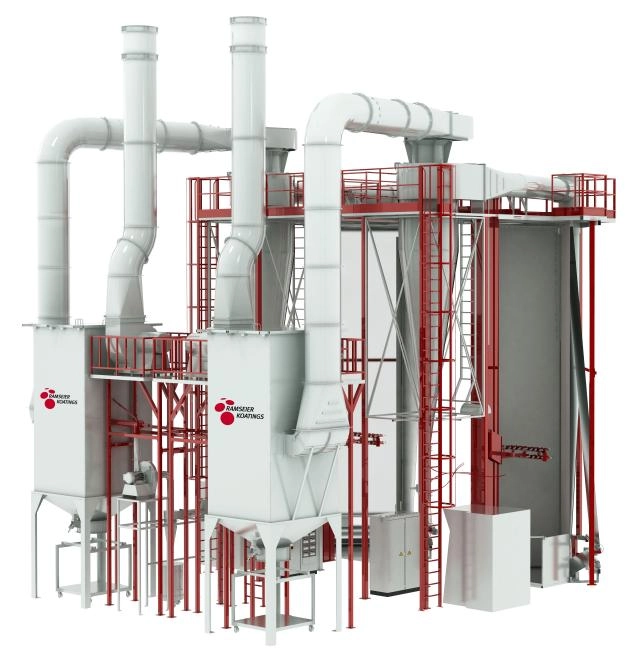
Understanding Reciprocators
What is a Reciprocator?
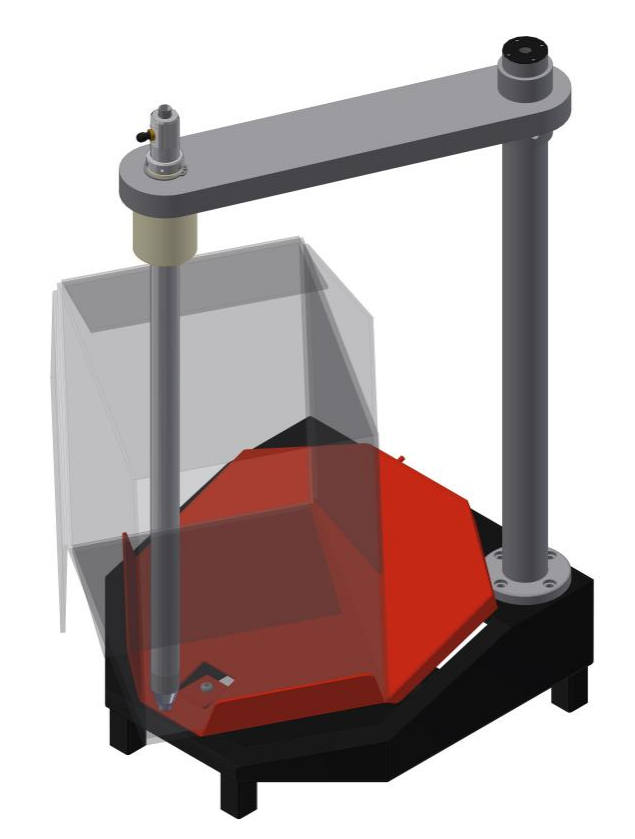
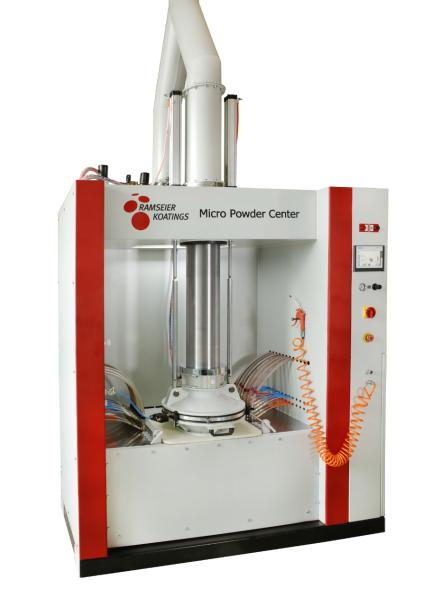
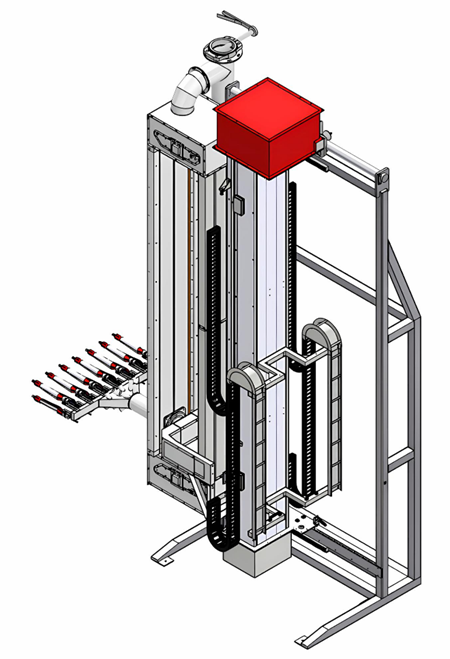
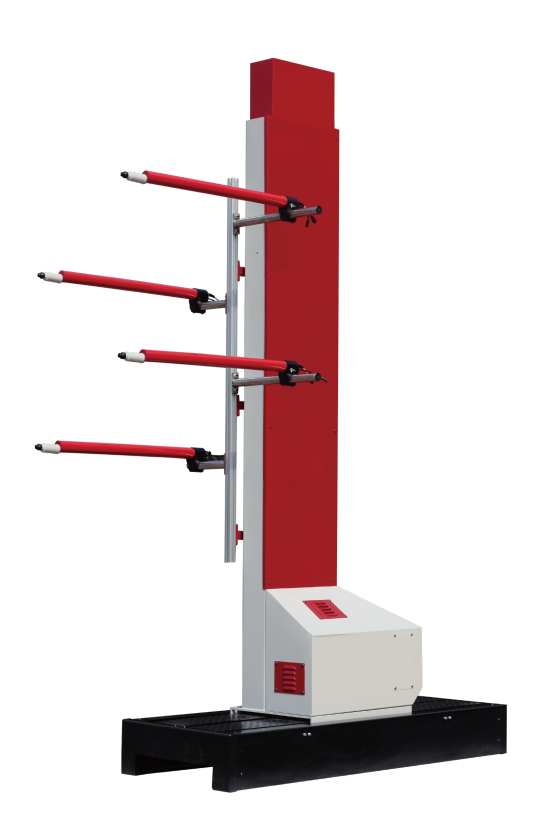
A reciprocator is an automated mechanical device that moves powder coating guns in a controlled back-and-forth motion. This movement ensures a uniform and consistent application of powder coating across the entire surface of the workpiece. Reciprocators are essential in high-volume production environments, such as automotive and appliance manufacturing, where precision and repeatability are paramount.
How Do Reciprocators Work?
Reciprocators operate by using a motor to drive a mechanism that moves the spray gun along a predetermined path. This movement can be adjusted in speed and distance, allowing for precise control over the coating process. The ability to program the reciprocator for different shapes and sizes of objects makes it a versatile tool in coating applications.
Benefits of Using Reciprocators
Increased Efficiency
One of the most significant advantages of using reciprocators in powder coating systems is the increase in efficiency. By automating the movement of the applicator, reciprocators can significantly speed up the coating process. This leads to higher production rates and reduced cycle times. Studies have shown that implementing a reciprocator can boost production by up to 30%, allowing manufacturers to meet growing demand without compromising quality.
Consistent Quality
Reciprocators ensure that coatings are applied evenly across surfaces, reducing the risk of defects. Traditional manual spraying methods can lead to inconsistent coverage, overspray, or missed areas. By automating the movement of spray guns, reciprocators deliver a consistent, uniform coating, improving the overall finish quality. This consistency not only enhances product quality but also reduces the need for rework, further driving down costs.
Reduced Powder Waste
In powder coating processes, minimizing waste is critical. Reciprocators help achieve this by optimizing the movement and deposition of powders. They reduce overspray and reclaimable powder loss, which can be significant in manual applications. By capturing and reusing overspray, some systems can reclaim more than 95% of unused powder, leading to substantial cost savings.
Improved Safety
Automating the powder coating process with reciprocators also enhances workplace safety. By reducing the need for manual intervention, the risk of accidents associated with handling hazardous materials is minimized. Additionally, automated systems can be designed to include safety features that protect workers from exposure to harmful substances.
Flexibility and Adaptability
Reciprocators are highly adaptable to various production requirements. They can be configured to accommodate different part geometries and coating materials, making them suitable for a wide range of applications. This flexibility allows manufacturers to respond quickly to changing market demands and customize their production processes accordingly.
The Role of Reciprocators in Enhancing ROI
Cost-Effectiveness
Investing in reciprocators can lead to significant cost savings over time. The initial investment in automated systems is often offset by the reduction in labor costs, material waste, and rework. By streamlining the coating process, manufacturers can achieve a quicker return on investment, making reciprocators a financially sound choice.
Enhanced Production Capacity
With increased efficiency and reduced cycle times, reciprocators enable manufacturers to increase their production capacity. This capability is particularly beneficial in industries where demand fluctuates, allowing companies to scale operations up or down as needed without incurring additional costs.
Better Compliance and Sustainability
Automated powder coating systems, including reciprocators, help manufacturers meet compliance and sustainability goals. These systems often produce less waste and have a lower environmental impact compared to traditional methods. By adopting more sustainable practices, companies can improve their public image and potentially reduce regulatory costs.
Case Studies: Success Stories of Reciprocator Implementation
Automotive Industry
In the automotive sector, a leading manufacturer implemented reciprocators in their powder coating line. The result was a 25% increase in output and a significant reduction in powder waste. The company reported improved product quality and a faster turnaround time, allowing them to meet customer demands more effectively.
Appliance Manufacturing
An appliance manufacturer faced challenges with inconsistent coating quality and high labor costs. By integrating reciprocators into their production line, they achieved uniform coating across all products, reduced labor requirements, and improved overall efficiency. The investment in reciprocators paid off within a year, as the company saw a marked increase in profitability.
Future Trends in Reciprocator Technology
As technology continues to evolve, so too will the capabilities of reciprocators. Future advancements may include:
- Smart Reciprocators: Incorporating IoT technology to monitor performance and optimize operations in real-time.
- Enhanced Automation: Further reducing the need for manual intervention and increasing the precision of coating applications.
- Sustainability Features: Developing systems that minimize environmental impact and enhance energy efficiency.
Conclusion
Reciprocators play a vital role in driving ROI in industrial powder coating systems. By increasing efficiency, ensuring consistent quality, reducing waste, and improving safety, these automated devices offer significant advantages to manufacturers. As industries continue to evolve, the adoption of reciprocators will likely become even more prevalent, paving the way for enhanced productivity and profitability.
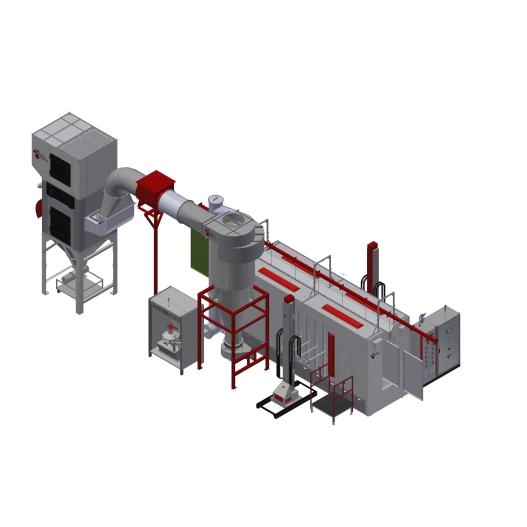
Frequently Asked Questions
1. What is a reciprocator?
A reciprocator is an automated device that moves powder coating guns in a controlled motion to ensure uniform application of coatings.
2. How do reciprocators improve coating quality?
They automate the movement of spray guns, ensuring consistent coverage and reducing the risk of defects.
3. What are the cost benefits of using reciprocators?
They reduce labor costs, minimize material waste, and improve production efficiency, leading to a quicker return on investment.
4. Can reciprocators be used for different types of coatings?
Yes, reciprocators are adaptable and can be configured for various part geometries and coating materials.
5. What future advancements can we expect in reciprocator technology?
Future trends may include smart technology integration, enhanced automation, and sustainability features.
Hot Tags: China, Global, OEM, private label, manufacturers, factory, suppliers, manufacturing company





 CALL US ANY TIME

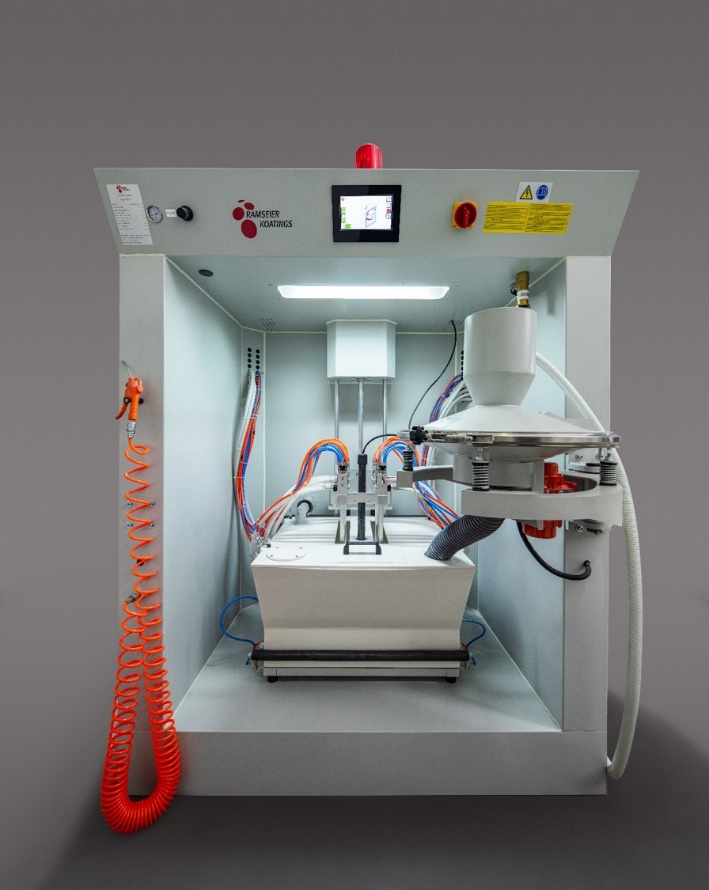


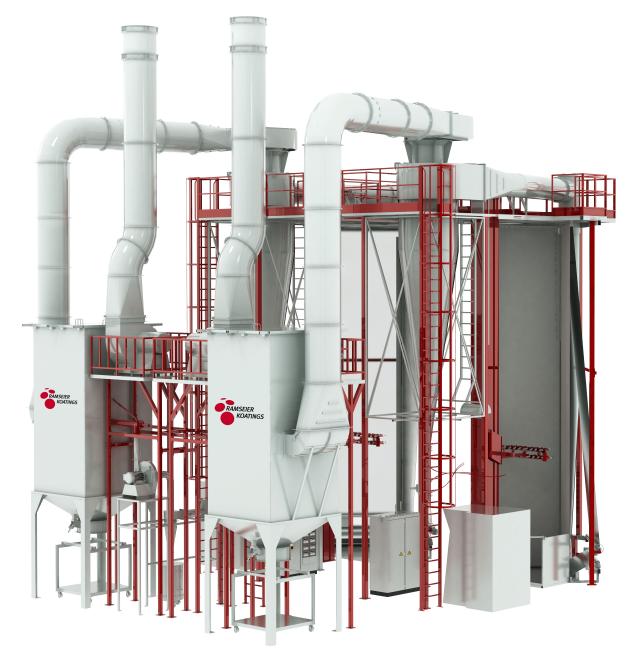






 Tel: +852 2363 2511
 Fax: +852 2764 0105
 E-mail:

 .
. 