Content Menu
● Understanding Powder Management
>> What Is Powder Management?
>> Challenges in Manual Powder Handling
● Basics of Powder Management Automation
>> Key Components of Automation Systems
>> Types of Powder Feeding Technologies
● Benefits of Automating Powder Management
>> Improved Process Accuracy and Consistency
>> Enhanced Safety and Reduced Contamination
>> Increased Operational Efficiency
>> Data Collection and Traceability
● Technologies Powering Powder Management Automation
>> Advanced Sensors and Monitoring
>> Programmable Logic Controllers (PLCs)
>> Human-Machine Interface (HMI)
>> Integration with Enterprise Systems
● Implementing Powder Management Automation
>> Assessing Your Current Operations
>> Defining Automation Goals
>> Selecting Equipment and Vendors
>> System Design and Customization
>> Testing and Validation
>> Training and Maintenance
● Best Practices for Effective Powder Automation
>> Understand Powder Characteristics
>> Maintain Cleanliness and Hygiene
>> Use Redundant Monitoring
>> Regular Calibration and Maintenance
>> Explore Continuous Improvement
● Common Industries Using Powder Management Automation
>> Pharmaceuticals
>> Food and Beverage
>> Chemical Manufacturing
>> Cosmetics
>> Additive Manufacturing
● Frequently Asked Questions About Powder Management Automation
>> What types of powders can be managed with automation?
>> How does automation improve powder handling safety?
>> Can powder management automation be integrated into existing production lines?
>> What maintenance is required for powder automation systems?
>> How does automation contribute to sustainability in powder handling?
● Conclusion
Powder materials play a crucial role in various industries, including pharmaceuticals, chemicals, food processing, and manufacturing. Effective management of powders is vital for ensuring product quality, process efficiency, and safety. As industries move toward digital transformation, automation in powder management has become a game-changer. This complete guide walks you through the essential concepts, technologies, benefits, and best practices of powder management automation.
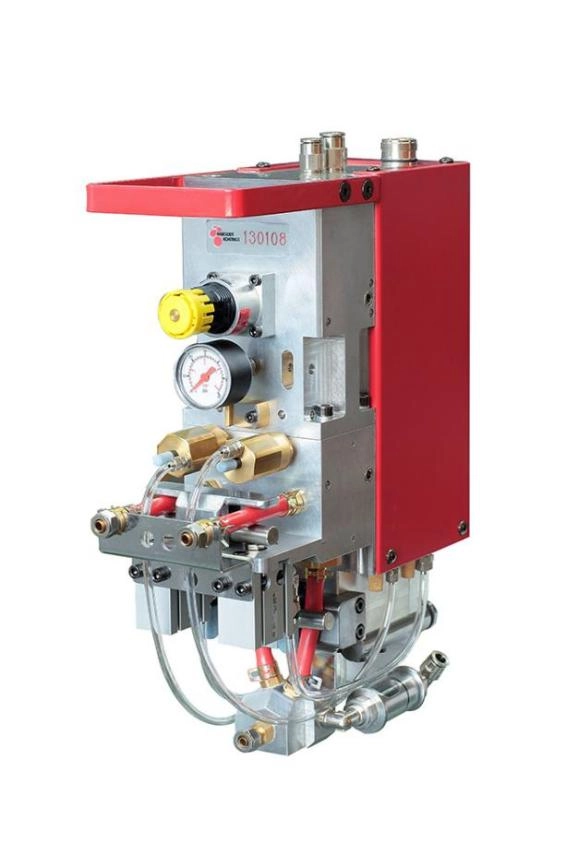
Understanding Powder Management
What Is Powder Management?
Powder management refers to the systematic handling, storage, transportation, and processing of powdered substances. It covers activities like weighing, blending, feeding, and packaging powders. Proper management helps prevent contamination, loss, and degradation of quality.
Challenges in Manual Powder Handling
Manual powder handling faces major challenges such as dust generation, human error in measurement, inconsistent feeding rates, and hygiene issues. These problems call for automated solutions to improve precision and safety.
Basics of Powder Management Automation
Key Components of Automation Systems
Automation in powder management typically consists of several integrated components:
- Powder feeders: Machines controlling powder flow rates with high precision.
- Weigh scales: Digital scales providing accurate measurements.
- Conveyors and pneumatic systems: Equipment for efficient powder transport.
- Sensors and controllers: Devices that monitor parameters and regulate operation.
- Software platforms: Centralized control systems for data analysis, recipe handling, and reporting.
Types of Powder Feeding Technologies
Several feeding technologies enable smooth powder automation:
- Volumetric feeders: Measure powder volume for feeding but may have lower accuracy for varying powder densities.
- Gravimetric feeders: Use weight to control powder feed, offering high accuracy.
- Loss-in-weight feeders: Measure weight loss during feeding for continuous precise control.
Benefits of Automating Powder Management
Improved Process Accuracy and Consistency
Automation minimizes human error, ensuring repeatable feed rates and accurate batch compositions. This leads to better product quality and compliance with regulations.
Enhanced Safety and Reduced Contamination
Automated systems reduce operator exposure to hazardous or dusty powders, improving workplace safety and limiting contamination risks.
Increased Operational Efficiency
Powder automation optimizes material flow, reduces downtime, and allows for continuous production, boosting overall throughput.
Data Collection and Traceability
Automation platforms provide real-time data collection and traceability, essential for quality control, audits, and process optimization.
Technologies Powering Powder Management Automation
Advanced Sensors and Monitoring
Modern powder management incorporates sensors like load cells, level sensors, and vibratory monitors to detect flow characteristics and system status.
Programmable Logic Controllers (PLCs)
PLCs act as the brain of automation systems, executing control logic based on sensor data and predefined parameters to manage operations smoothly.
Human-Machine Interface (HMI)
User-friendly HMIs allow operators to monitor system performance, adjust recipes, and respond to alarms or events easily.
Integration with Enterprise Systems
Automated powder management can link to broader systems such as Manufacturing Execution Systems (MES) and Enterprise Resource Planning (ERP) for holistic process control.
Implementing Powder Management Automation
Assessing Your Current Operations
Start by auditing existing powder handling processes to identify bottlenecks, safety concerns, and quality issues that automation can address.
Defining Automation Goals
Clarify objectives such as increasing accuracy, reducing waste, enhancing safety, or speeding batch processes to tailor the automation design.
Selecting Equipment and Vendors
Choose reliable powder automation equipment and integrators experienced in your industry and powder types.
System Design and Customization
Design automation processes that consider your powder's physical properties, production scale, and plant layout.
Testing and Validation
Pilot runs and testing ensure system reliability, accurate dosing, and integration with upstream and downstream processes.
Training and Maintenance
Train operators and maintenance staff on using and servicing automated equipment to maintain performance over time.
Best Practices for Effective Powder Automation
Understand Powder Characteristics
Each powder's flowability, moisture sensitivity, and particle size require tailored automation approaches to avoid blockages or inconsistencies.
Maintain Cleanliness and Hygiene
Implement automated cleaning-in-place (CIP) or easy-to-clean designs to minimize contamination risk.
Use Redundant Monitoring
Deploy multiple sensors and fail-safe systems to prevent errors and avoid production downtime.
Regular Calibration and Maintenance
Keep sensors and feeders calibrated regularly for sustained accuracy and efficiency.
Explore Continuous Improvement
Leverage automation data analytics to identify efficiency gains and refine powder management strategies over time.
Common Industries Using Powder Management Automation
Pharmaceuticals
Precise powder dosing is critical for medication potency and regulatory compliance.
Food and Beverage
Powder ingredients such as spices, flour, and supplements require hygienic and accurate handling.
Chemical Manufacturing
Handling abrasive or reactive powders safely and efficiently preserves product quality and worker safety.
Cosmetics
Automation supports consistent blending and packaging of powdered makeup components.
Additive Manufacturing
Powder-based 3D printing depends on precise powder layering and delivery to produce quality parts.
Frequently Asked Questions About Powder Management Automation
What types of powders can be managed with automation?
Automation systems can handle a wide variety of powders, including fine powders, granulates, abrasive materials, hygroscopic substances, and blends, as long as the system is customized for their specific physical properties.
How does automation improve powder handling safety?
It minimizes operator exposure to dust and harmful materials by using enclosed systems with controlled feeding and conveying, reducing the risks of inhalation, explosions, or contamination.
Can powder management automation be integrated into existing production lines?
Yes, most modern powder automation equipment and control systems are designed for seamless integration with existing machinery and enterprise software platforms to ensure continuity and optimization.
What maintenance is required for powder automation systems?
Regular cleaning, sensor calibration, mechanical parts inspection, software updates, and preventive maintenance are essential to keep systems running reliably.
How does automation contribute to sustainability in powder handling?
Automation reduces waste by precise dosing, minimizes powder spillage and product loss, and improves energy efficiency through optimized processes.
Conclusion
Powder management automation is transforming industries by delivering improved accuracy, safety, efficiency, and data-driven quality control. Implementing a well-designed automation system tailored to your powders and production environment can significantly boost performance and product consistency. This guide offers the foundational knowledge to help you assess, select, and maintain powder automation solutions effectively.
Hot Tags: China, Global, OEM, private label, manufacturers, factory, suppliers, manufacturing company





 CALL US ANY TIME









 Tel: +852 2363 2511
 Fax: +852 2764 0105
 E-mail:

 .
. 