Content Menu
● Understanding Powder Hoppers: Basics and Functions
>> What is a Powder Hopper?
>> Core Functions of Powder Hoppers
● Common Problems with Powder Hoppers
>> Clogging and Bridging Issues
>>> What Causes Bridging in Powder Hoppers?
>>> How to Prevent and Fix Bridging
>> Inconsistent Flow Rates
>>> Causes of Flow Rate Variability
>>> Solutions for Stable Flow Rates
>> Segregation of Powder Particles
>>> Why Powder Segregation Happens
>>> Strategies to Minimize Segregation
>> Material Degradation Inside Hoppers
>>> Common Causes of Material Degradation
>>> Preventing Material Degradation
>> Maintenance and Operational Challenges
>>> Typical Maintenance Issues
>>> Best Practices for Maintenance
● Additional Tips for Optimal Powder Hopper Performance
● Frequently Asked Questions (FAQ)
>> 1. What is the ideal hopper wall angle to prevent powder bridging?
>> 2. How can I reduce static electricity in powder hoppers?
>> 3. What types of flow aids are most effective for powder hoppers?
>> 4. How often should powder hoppers be cleaned?
>> 5. Can temperature fluctuations inside the hopper impact powder quality?
Powder hoppers are essential components in many manufacturing and processing industries. They serve as storage and feeding mechanisms for powders, ensuring consistent flow and accurate dispensing in applications ranging from pharmaceuticals to food production, and from chemicals to construction materials. Despite their importance, powder hoppers often encounter common operational issues that can disrupt the production process, reducing efficiency and increasing downtime. Understanding these problems and implementing effective solutions is crucial for maintaining smooth operations.
This article explores the most frequent problems encountered with powder hoppers, explains their root causes, and offers practical solutions to help operators optimize performance and reliability.
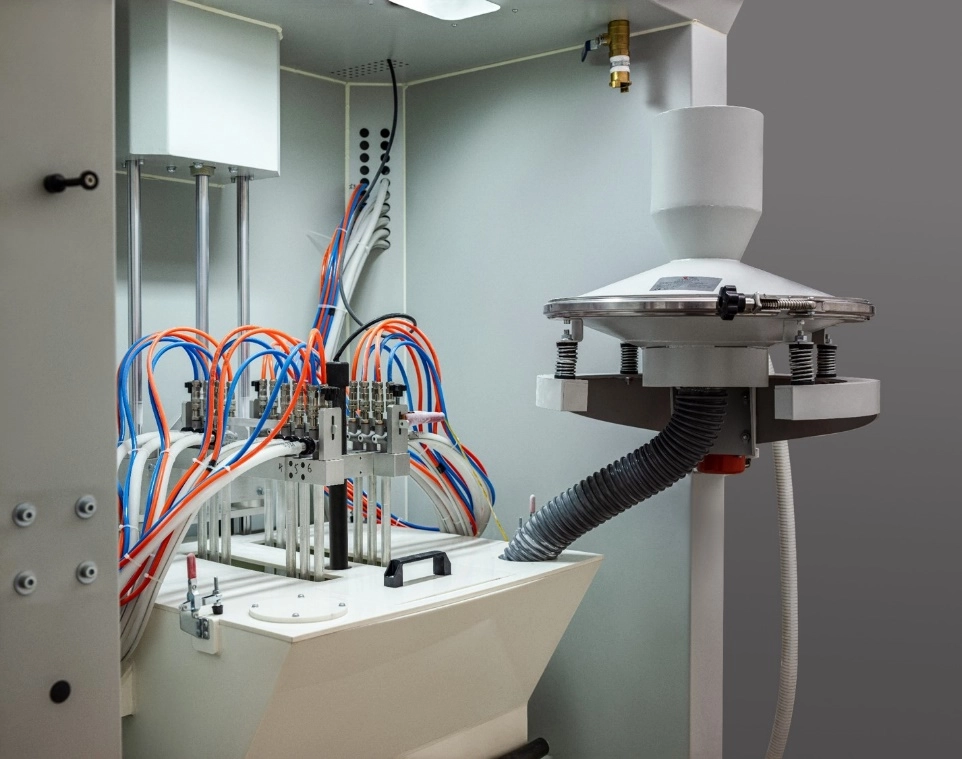
Understanding Powder Hoppers: Basics and Functions
Before delving into common problems, it is important to understand what powder hoppers are and how they function.
What is a Powder Hopper?
A powder hopper is a container designed to hold bulk powder materials. It features an outlet at the bottom for controlled discharge of the powder into processing equipment.
Core Functions of Powder Hoppers
- Storage: Temporary holding of bulk powder before processing.
- Dispensing: Controlled release of powder for consistent feed rates.
- Flow Regulation: Ensuring smooth powder flow without clogging or bridging.
Common Problems with Powder Hoppers
Powder hoppers can experience various challenges that hinder their efficiency. The most frequently reported issues include clogging, inconsistent flow, segregation of powder particles, material degradation, and maintenance difficulties.
Clogging and Bridging Issues
One of the biggest issues is powder clogging or bridging inside the hopper, which obstructs the flow and interrupts the manufacturing process.
What Causes Bridging in Powder Hoppers?
Bridging occurs when powder particles stick together across the hopper outlet, creating an arch or bridge that blocks flow. Causes include:
- Powder moisture content being too high
- Fine or cohesive powders prone to compacting
- Hopper design with improper angles or outlet size
- Static electricity causing particle adhesion
How to Prevent and Fix Bridging
- Regularly monitor and control powder moisture levels.
- Use hopper designs with steeper wall angles to encourage flow.
- Install flow aids such as vibrators or air cannons to dislodge bridges.
- Apply anti-static coatings or grounding to reduce particle adhesion.
Inconsistent Flow Rates
Inconsistent powder flow affects the accuracy of dosing and quality control, resulting in product variations or equipment downtime.
Causes of Flow Rate Variability
- Powder segregation leading to uneven particle size distribution
- Irregular hopper filling and emptying cycles
- Wear or damage to flow control valves or feeders
- Environmental factors like humidity and temperature fluctuations
Solutions for Stable Flow Rates
- Implement uniform powder mixing before loading the hopper.
- Utilize level sensors and load cells for real-time monitoring.
- Maintain and replace worn mechanical components frequently.
- Control ambient conditions or install environmental controls.
Segregation of Powder Particles
Powder segregation means different particle sizes or densities separate during storage or handling, degrading product quality.
Why Powder Segregation Happens
- Vibration or movement during transport causes larger particles to separate from fines.
- Hopper design with sharp angles or uneven surfaces promoting segregation.
- Discharge mechanism not optimized for uniform powder delivery.
Strategies to Minimize Segregation
- Use hopper inserts or liners to smooth internal surfaces.
- Design hoppers for mass flow rather than funnel flow.
- Adjust discharge methods to improve homogeneity.
- Regularly inspect and adjust equipment to prevent mechanical issues.
Material Degradation Inside Hoppers
Powder materials can degrade due to improper storage conditions, heat, moisture, or contamination.
Common Causes of Material Degradation
- Exposure to humidity leading to caking or clumping.
- Temperature fluctuations causing chemical changes.
- Mixing of incompatible materials causing contamination.
- Excessive residence time inside the hopper reducing freshness.
Preventing Material Degradation
- Maintain controlled temperature and humidity levels.
- Implement routine cleaning and sanitization.
- Monitor residence time and optimize batch processing cycles.
- Ensure hoppers are sealed to prevent contamination.
Maintenance and Operational Challenges
Maintaining powder hoppers can be difficult, especially when dealing with abrasive or sticky powders.
Typical Maintenance Issues
- Wear and tear on hopper walls and outlet valves.
- Build-up of residual powder causing blockages.
- Difficulty in cleaning tight or complex hopper geometries.
- Malfunction of sensors and automation components.
Best Practices for Maintenance
- Schedule regular inspections and preventive maintenance.
- Use wear-resistant materials for hopper construction.
- Design hoppers for easy access and cleaning.
- Incorporate sensor diagnostic systems for timely alerts.
Additional Tips for Optimal Powder Hopper Performance
- Choose hopper materials and coatings based on powder characteristics.
- Train operators thoroughly on hopper usage and problem identification.
- Collaborate with suppliers for customized hopper solutions tailored to specific powders.
- Integrate automation and control systems for continuous monitoring.
Frequently Asked Questions (FAQ)
1. What is the ideal hopper wall angle to prevent powder bridging?
The ideal hopper wall angle generally ranges between 60° and 75°, depending on powder characteristics. Steeper angles facilitate smooth powder flow and reduce bridging risks.
2. How can I reduce static electricity in powder hoppers?
Grounding the hopper, using anti-static coatings, and controlling humidity can help reduce static charges that cause powder adhesion.
3. What types of flow aids are most effective for powder hoppers?
Vibrators, air cannons, and pneumatic agitators are commonly used flow aids that dislodge blockages and ensure consistent powder flow.
4. How often should powder hoppers be cleaned?
Cleaning frequency varies based on powder type and processing cycles but should be done regularly to avoid contamination and buildup—typically after every production batch or shift.
5. Can temperature fluctuations inside the hopper impact powder quality?
Yes, temperature changes can cause moisture condensation, chemical degradation, or caking, which affects powder quality and flow.
Hot Tags: China, Global, OEM, private label, manufacturers, factory, suppliers, manufacturing company





 CALL US ANY TIME









 Tel: +852 2363 2511
 Fax: +852 2764 0105
 E-mail:

 .
. 