Content Menu
● Understanding Reciprocator Systems
>> How Reciprocator Systems Work
>> Importance in Complex and Multi-Dimensional Parts Manufacturing
● Types of Reciprocator Systems for Complex Parts
>> Mechanical Reciprocators
>> Pneumatic Reciprocators
>> Hydraulic Reciprocators
>> Electric Reciprocators
● Advanced Technologies in Reciprocator Systems for Multi-Dimensional Parts
>> Multi-Axis Reciprocation
>> CNC Controlled Reciprocators
>> Feedback and Sensor Integration
● Applications of Reciprocator Systems in Complex Part Manufacturing
>> Automotive Industry
>> Aerospace Sector
>> Electronics Manufacturing
>> Medical Device Manufacturing
● Choosing the Best Reciprocator System for Your Needs
>> Assessing Part Complexity and Motion Requirements
>> Evaluating Force and Power Needs
>> Considering System Flexibility and Automation
>> Maintenance and Operational Costs
● Integration Challenges and Solutions
>> Synchronization Between Axes
>> Wear and Tear in Moving Parts
>> Software and Control Complexity
● Innovations Shaping Future Reciprocator Systems
>> Smart Reciprocator Systems
>> Lightweight and Durable Materials
>> Collaborative Robotics
● Summary
● FAQs
Reciprocator systems play a crucial role in modern manufacturing, especially when it comes to producing complex and multi-dimensional parts. The ability to precisely move and control workpieces or tools in a controlled back-and-forth motion helps achieve accuracy, efficiency, and quality in several industries. This article explores the best reciprocator systems designed specifically for complex and multi-dimensional parts, analyzing their technologies, types, applications, and benefits.
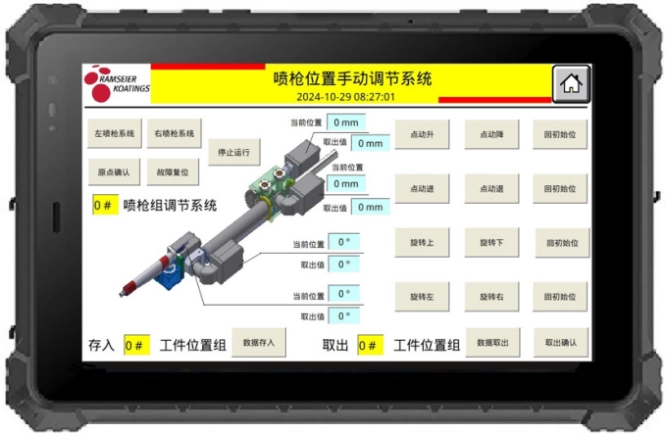
Understanding Reciprocator Systems
Reciprocator systems are mechanical devices that provide linear back-and-forth motion. Unlike rotary systems that provide circular motion, reciprocators convert power into linear motion, either manually or via motorized mechanisms. They form the backbone of numerous industrial machines that require repetitive, precise movement to shape, form or process materials.
How Reciprocator Systems Work
The core principle of a reciprocator system is to create a consistent linear motion through a combination of cams, hydraulic or pneumatic cylinders, motors, or mechanical linkages. The motion is usually adjustable in terms of stroke length, speed, and frequency to suit different parts and processes.
Importance in Complex and Multi-Dimensional Parts Manufacturing
Complex and multi-dimensional parts often require intricate machining processes, such as shaping irregular curves, precise cutting at different angles, or assembling delicate components. Reciprocator systems enable controlled, repeatable movements that can handle multiple axes of motion or complex geometries without sacrificing precision.
Types of Reciprocator Systems for Complex Parts
Several types of reciprocator systems are suitable for handling complex and multi-dimensional parts depending on the scale, precision, and operational requirements.
Mechanical Reciprocators
Mechanical reciprocators typically involve cams, gears, or crankshafts to convert rotary motion into a linear back-and-forth motion. They are robust, cost-effective, and simpler to maintain, suitable for high-speed operations where complex multi-axis control is not mandatory.
- Pros: Durable, easy to maintain, cost-effective.
- Cons: Limited flexibility for multidirectional motion.
Pneumatic Reciprocators
Powered by compressed air, pneumatic reciprocators provide fast and smooth linear motions. These are often used in assembly lines or applications requiring clean, oil-free operation. Pneumatic systems allow for easy speed adjustments and are ideal for parts that do not require extremely high forces.
- Pros: Fast response time, clean operation, adjustable speed.
- Cons: Limited to moderate force applications, requires compressed air supply.
Hydraulic Reciprocators
Hydraulic reciprocators use pressurized hydraulic fluid to deliver powerful linear motion. These systems are preferred for handling heavier components or when high force and precise control over speed and position are necessary. Hydraulic systems are adaptable for multi-dimensional and complex workpieces.
- Pros: High force capacity, precise control, suitable for heavy-duty applications.
- Cons: Maintenance intensive, potential fluid leakage.
Electric Reciprocators
Electric reciprocators use servo or stepper motors coupled with linear actuators to create precise linear movements. These systems are vital for intricate multi-axis machining and automation tasks requiring high accuracy and programmable control.
- Pros: High precision, programmable motion profiles, energy-efficient.
- Cons: Higher initial cost, complexity in setup and control.
Advanced Technologies in Reciprocator Systems for Multi-Dimensional Parts
Modern manufacturing demands not only basic reciprocation but also the integration of multi-axis motion and intelligent control to handle complex geometries efficiently.
Multi-Axis Reciprocation
Advanced reciprocator systems combine linear motion on multiple axes (X, Y, Z) either independently or synchronously. This enables the handling of multi-dimensional parts with complex shapes that require simultaneous movement in different directions.
CNC Controlled Reciprocators
Computer Numerical Control (CNC) integration allows for programmable control of reciprocator systems. CNC reciprocators can precisely control stroke length, speed, and position according to digital designs, offering unparalleled customization and reduced human error.
Feedback and Sensor Integration
Modern systems incorporate sensors such as encoders and linear scales to monitor position and motion in real-time. Feedback loops help maintain accuracy, adjust for wear, and enable dynamic adaptations during the manufacturing process.
Applications of Reciprocator Systems in Complex Part Manufacturing
Reciprocator systems are employed across many industries where complex and multi-dimensional parts are standard.
Automotive Industry
The automotive industry uses reciprocator systems extensively for manufacturing engine components, transmission parts, and precision body panels, which often require multi-dimensional machining or assembly line automation.
Aerospace Sector
Aerospace parts demand extreme precision and reliability. Reciprocator systems help produce turbine blades, structural components, and landing gear parts with complex geometries and tight tolerances.
Electronics Manufacturing
In electronics, reciprocator systems assist in assembling tiny multi-dimensional parts such as connectors and circuit boards, where delicate and precise movements are essential.
Medical Device Manufacturing
Medical devices usually involve complex shapes and fine component assembly. Reciprocator systems help ensure accurate and repeatable movements required for inserting, cutting, or forming parts like implants and surgical instruments.
Choosing the Best Reciprocator System for Your Needs
Selecting the right reciprocator system depends on various factors including part complexity, force requirements, precision levels, and production volume.
Assessing Part Complexity and Motion Requirements
Identify the number of axes needed, the stroke length, and the required speed and precision. Multi-dimensional parts usually demand multi-axis or CNC-controlled reciprocators.
Evaluating Force and Power Needs
Heavy or resistant materials require hydraulic systems, while lighter and faster processing may rely on pneumatic or electric reciprocators.
Considering System Flexibility and Automation
For highly automated lines, electric or CNC systems offer programmability and integration with other automation systems.
Maintenance and Operational Costs
Mechanical systems tend to have lower maintenance costs, but electric and hydraulic systems offer better performance at a higher operational cost.
Integration Challenges and Solutions
Integrating reciprocator systems for complex parts can face challenges related to synchronization, precision, and wear.
Synchronization Between Axes
Multi-axis systems require careful calibration and control software to ensure synchronized motion without collisions or errors.
Wear and Tear in Moving Parts
Use of high-quality materials and regular maintenance schedules extends system life and keeps precision intact.
Software and Control Complexity
User-friendly interfaces, training, and ongoing support help overcome the challenges posed by sophisticated CNC and sensor-based control systems.
Innovations Shaping Future Reciprocator Systems
The future of reciprocator systems lies in the increased use of smart technology, advanced materials, and integrated robotics.
Smart Reciprocator Systems
Artificial intelligence and machine learning algorithms can enable self-optimization of motion profiles, predictive maintenance, and anomaly detection.
Lightweight and Durable Materials
The use of composites and advanced alloys reduces system weight, improves responsiveness, and extends lifespan, especially important for high-speed operations.
Collaborative Robotics
Reciprocator systems integrated with collaborative robots (cobots) provide flexible automation solutions that work safely alongside human operators for increased productivity.
Summary
Reciprocator systems designed for complex and multi-dimensional parts enable manufacturers to produce intricate and precise components efficiently. Mechanical, pneumatic, hydraulic, and electric reciprocators each offer unique advantages suited to different applications and production scales. Advanced technologies like multi-axis motion, CNC control, and sensor feedback significantly enhance their capabilities. Industry applications span automotive, aerospace, electronics, and medical device manufacturing. Selecting the best reciprocator system involves considering part complexity, force, precision, and automation needs. Innovations are shaping smarter, lighter, and more collaborative reciprocator systems set to redefine industrial manufacturing.
FAQs
Q1: What is the main advantage of electric reciprocator systems for complex parts?
Electric reciprocators provide high precision and programmable control, making them ideal for intricate multi-dimensional machining and automation tasks.
Q2: Can hydraulic reciprocators handle multi-axis movement?
Yes, hydraulic systems can be designed to perform multi-dimensional movements, especially when high force and precise control are required.
Q3: How do sensors improve reciprocator system performance?
Sensors provide real-time feedback on position and motion, allowing for dynamic adjustments that maintain accuracy and compensate for wear.
Q4: Are pneumatic reciprocators suitable for heavy-duty applications?
Pneumatic systems are typically better suited for moderate force applications and may not be ideal for heavy-duty tasks requiring high power.
Q5: What industries benefit most from reciprocator systems designed for complex parts?
Automotive, aerospace, electronics manufacturing, and medical device sectors extensively benefit from specialized reciprocator systems.
Hot Tags: China, Global, OEM, private label, manufacturers, factory, suppliers, manufacturing company





 CALL US ANY TIME









 Tel: +852 2363 2511
 Fax: +852 2764 0105
 E-mail:

 .
. 