Content Menu
● Understanding Powder Coating Reciprocators
>> What is a Powder Coating Reciprocator?
>> Importance of Maintenance and Calibration
● Best Practices for Maintenance
>> Regular Cleaning
>> Inspecting Components
>> Lubrication
● Calibration Best Practices
>> Understanding Calibration
>> Setting the Correct Speed and Distance
>> Optimizing Powder Flow
>> Testing and Validation
● Advanced Techniques for Enhanced Performance
>> Utilizing Technology
>> Training Operators
● Troubleshooting Common Issues
>> Uneven Coating
>> Powder Waste
>> Equipment Malfunctions
● Conclusion
>> Frequently Asked Questions
Powder coating is a popular finishing process that provides a durable and attractive surface for a variety of products. Central to this process is the use of reciprocators, which automate the movement of spray guns to ensure even coating. Proper maintenance and calibration of these machines are crucial for achieving high-quality finishes and maximizing efficiency. This article outlines best practices for maintaining and calibrating powder coating reciprocators, ensuring optimal performance and longevity.
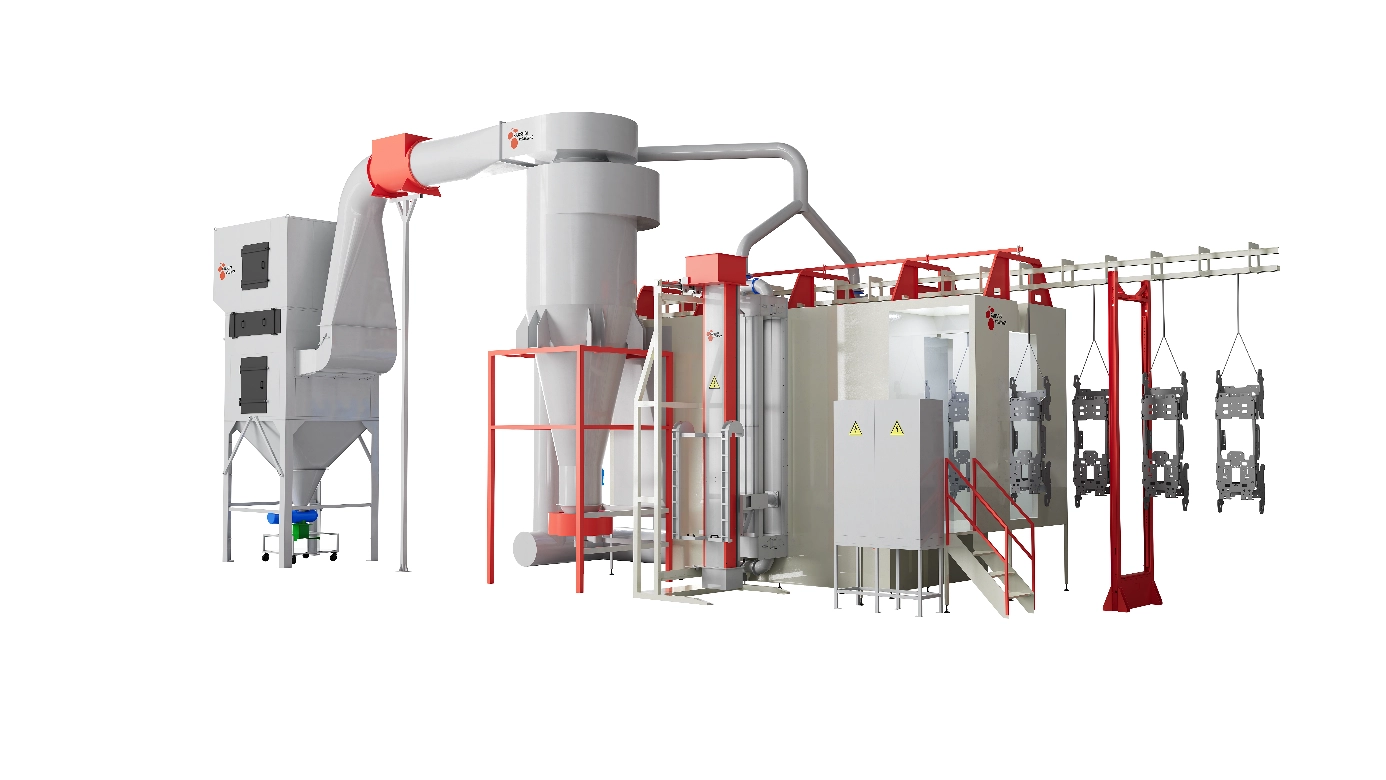
Understanding Powder Coating Reciprocators
What is a Powder Coating Reciprocator?
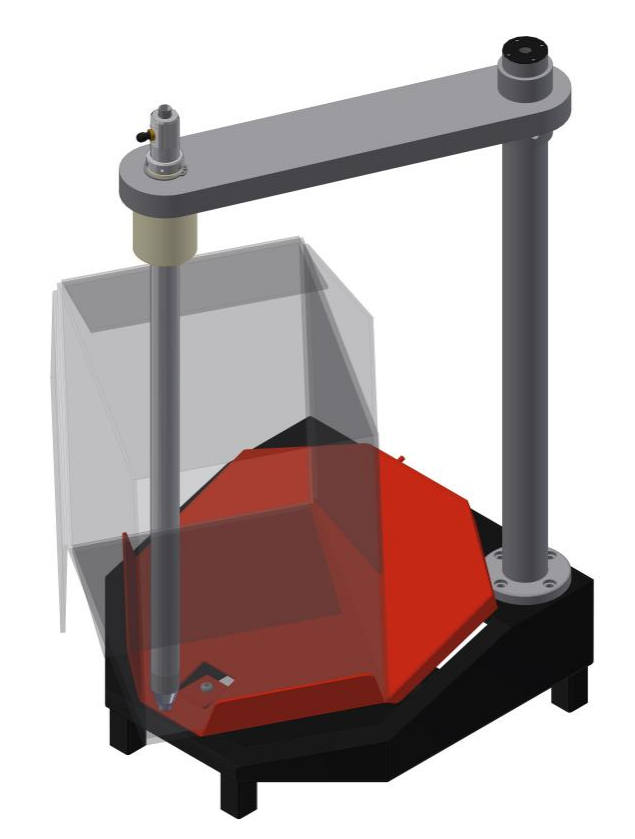
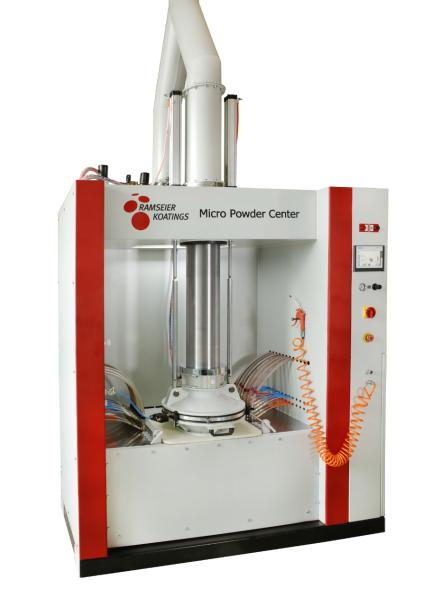
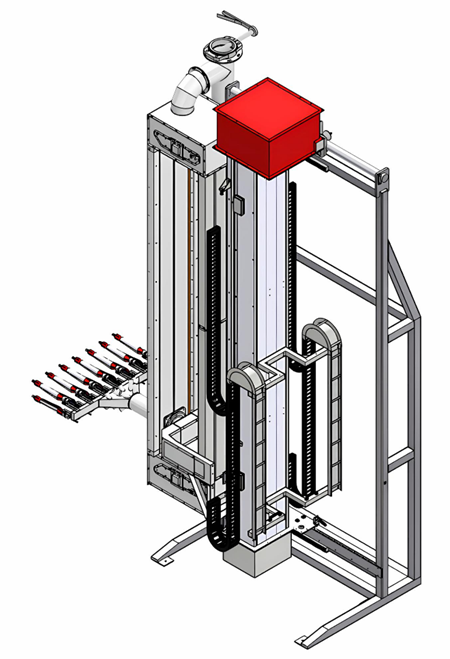
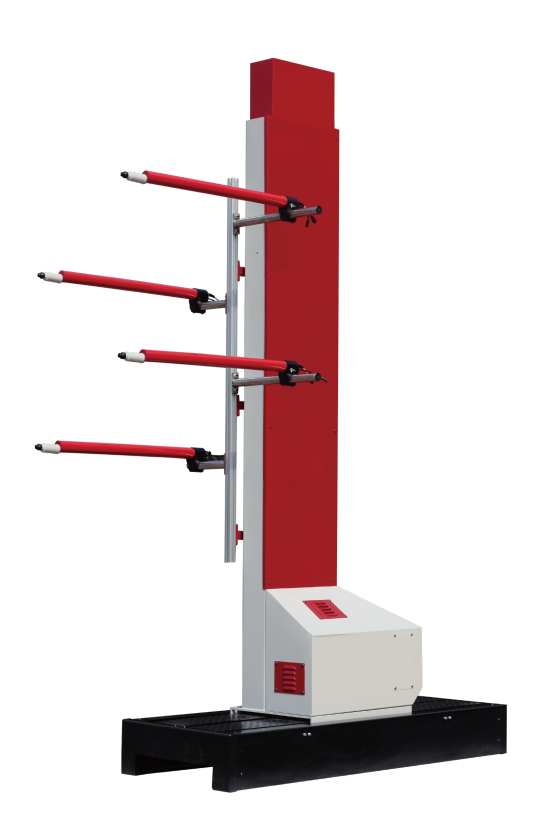
A powder coating reciprocator is a mechanical device that moves spray guns in a controlled manner to apply powder coating to parts as they pass through a coating system. These machines can operate in various configurations, including linear and rotary movements, depending on the application requirements.
Importance of Maintenance and Calibration
Regular maintenance and calibration of reciprocators are essential for several reasons:
- Consistency: Ensures uniform application of powder, reducing defects and improving product quality.
- Efficiency: Well-maintained machines operate more efficiently, reducing downtime and increasing throughput.
- Cost-Effectiveness: Proper care can extend the life of the equipment, minimizing replacement costs.
Best Practices for Maintenance
Regular Cleaning
One of the most critical aspects of maintaining powder coating reciprocators is regular cleaning. Accumulated powder can lead to uneven application and mechanical issues.
- Daily Cleaning: After each shift, clean the reciprocator to remove any residual powder. Use compressed air to blow out any powder from hard-to-reach areas.
- Deep Cleaning: Schedule a thorough cleaning at least once a week. Disassemble parts as necessary to ensure all components are free of powder buildup.
Inspecting Components
Routine inspections can help identify wear and tear before they lead to significant issues.
- Check for Wear: Regularly inspect moving parts, such as bearings and belts, for signs of wear. Replace any worn components immediately to prevent further damage.
- Electrical Connections: Ensure that all electrical connections are secure and free from corrosion. Faulty connections can lead to inconsistent performance.
Lubrication
Proper lubrication of moving parts is essential for smooth operation.
- Lubricate Regularly: Follow the manufacturer's guidelines for lubrication intervals and types of lubricants. Use high-quality lubricants to reduce friction and wear.
- Monitor Lubrication Levels: Regularly check lubrication levels and top up as necessary to ensure optimal performance.
Calibration Best Practices
Understanding Calibration
Calibration involves adjusting the reciprocator settings to ensure that the spray guns operate at the correct speed, distance, and angle for optimal powder application.
Setting the Correct Speed and Distance
The speed of the reciprocator and the distance from the workpiece are critical parameters that affect coating quality.
- Speed Settings: Adjust the speed based on the size and shape of the item being coated. A slower speed may be necessary for larger items to ensure even coverage.
- Distance Maintenance: Maintain a consistent distance between the spray gun and the workpiece, typically between 6 to 12 inches, to achieve uniform coating thickness.
Optimizing Powder Flow
The flow rate of the powder is another crucial factor in achieving a quality finish.
- Flow Rate Adjustment: Set the powder flow rate according to the type of powder being used. A consistent flow prevents uneven coating and reduces waste.
- Monitor Powder Characteristics: Different powders may require different flow settings. Regularly check the characteristics of the powder to ensure optimal performance.
Testing and Validation
Before full-scale production, it is essential to test and validate the settings.
- Conduct Test Runs: Perform test runs with actual parts to ensure that the settings yield the desired results. Adjust as necessary based on the outcomes.
- Document Settings: Keep a record of the settings used for different powders and parts. This documentation can help streamline future calibrations.
Advanced Techniques for Enhanced Performance
Utilizing Technology
Modern reciprocators often come equipped with advanced technology that can enhance performance.
- Automated Calibration Systems: Some systems offer automated calibration features that can adjust settings based on real-time feedback. Utilize these features to maintain optimal performance.
- Data Monitoring: Implement data monitoring systems to track performance metrics. Analyzing this data can help identify trends and areas for improvement.
Training Operators
Well-trained operators are essential for maintaining the quality of powder coating applications.
- Regular Training Sessions: Conduct training sessions to keep operators updated on best practices and new technologies. This ensures that they are equipped to handle the equipment effectively.
- Emphasize Safety: Ensure that all operators are aware of safety protocols when working with powder coating equipment. This includes proper handling of materials and understanding the risks associated with powder coatings.
Troubleshooting Common Issues
Uneven Coating
Uneven coating can result from several factors, including incorrect speed, distance, or powder flow.
- Adjust Settings: Review and adjust the speed and distance settings. Ensure that the powder flow is consistent.
- Check for Blockages: Inspect the powder delivery system for any blockages that may affect flow.
Powder Waste
Excessive powder waste can lead to increased costs and environmental concerns.
- Optimize Settings: Ensure that the reciprocator is calibrated correctly to minimize overspray.
- Regular Maintenance: Keep the equipment clean and well-maintained to prevent powder buildup that can lead to waste.
Equipment Malfunctions
Malfunctions can occur due to wear and tear or improper maintenance.
- Immediate Inspection: If a malfunction occurs, stop the machine immediately and inspect for any visible issues.
- Consult Manufacturer Guidelines: Refer to the manufacturer's guidelines for troubleshooting specific issues.
Conclusion
Maintaining and calibrating powder coating reciprocators is essential for achieving high-quality finishes and maximizing operational efficiency. By following best practices for maintenance, calibration, and operator training, businesses can ensure that their powder coating processes run smoothly and effectively. Regular inspections, cleaning, and adjustments will not only enhance the quality of the coating but also extend the life of the equipment, ultimately leading to cost savings and improved productivity.
Frequently Asked Questions
1. What is the ideal distance between the spray gun and the workpiece?
- The ideal distance is typically between 6 to 12 inches, depending on the specific application and powder characteristics.
2. How often should I clean the reciprocator?
- Daily cleaning is recommended, with a thorough deep cleaning at least once a week.
3. What should I do if I notice uneven coating?
- Check and adjust the speed, distance, and powder flow settings. Inspect for any blockages in the powder delivery system.
4. How can I reduce powder waste during application?
- Optimize the reciprocator settings and ensure regular maintenance to prevent overspray and powder buildup.
5. What training should operators receive for using reciprocators?
- Operators should be trained on best practices for equipment operation, safety protocols, and troubleshooting common issues.
Hot Tags: China, Global, OEM, private label, manufacturers, factory, suppliers, manufacturing company





 CALL US ANY TIME









 Tel: +852 2363 2511
 Fax: +852 2764 0105
 E-mail:

 .
. 