Content Menu
● Introduction
● The Fundamentals of Precision-Controlled Powder Application
>> The Importance of Precision
>> Key Application Domains
● Architecture of Advanced Data Management Systems
>> Core Components
>>> 1. Data Acquisition Devices
>>> 2. Processing and Control Units
>>> 3. Actuators and Implementers
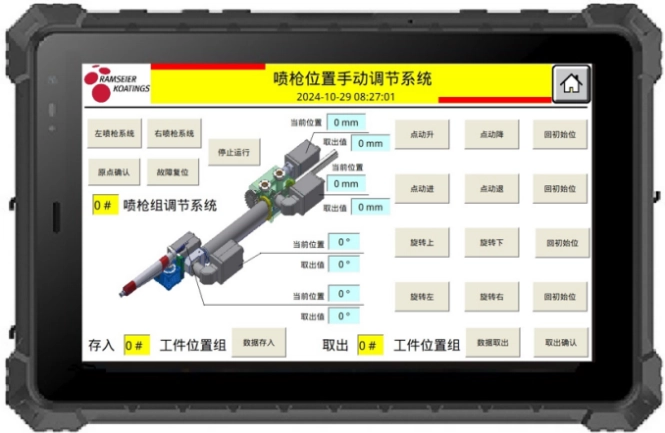
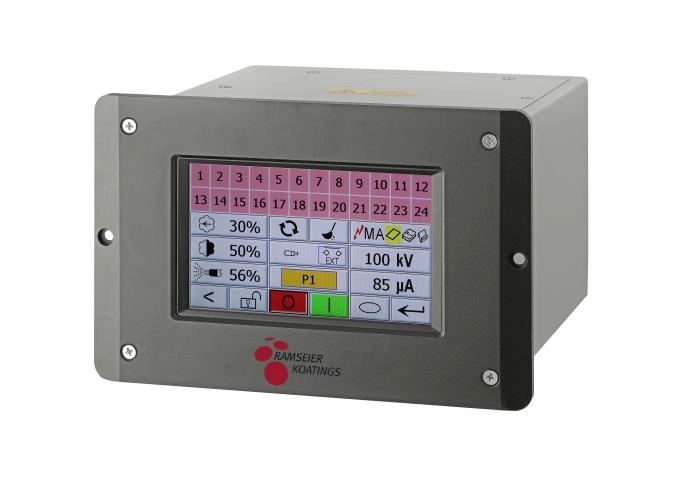
>>> 4. Human-Machine Interfaces (HMIs)
>> Communication Networks
● Core Functions of ADMS in Powder Application
>> Real-Time Monitoring
>> Data Integration and Synchronization
>> Automated Feedback and Closed-Loop Control
>> Predictive Analytics
>> Process Optimization
● Precision Control Techniques Enabled by Data Management
>> Adaptive Layering in Additive Manufacturing
>> Mass Flow and Powder Dispersion Balancing
>> Environmental Condition Compensation
● Integrating AI and Machine Learning
>> Machine Vision for Quality Assurance
>> Predictive Maintenance
>> Process Modeling and Simulation
● Case Studies: Real-World Applications
>> Additive Manufacturing of Aerospace Parts
>> Pharmaceutical Tablet Coating
>> Precision Food Powdering
● Implementation Challenges and Solutions
>> Data Volume and Complexity
>> Cross-Platform Compatibility
>> Operator Training and Buy-In
>> Ensuring Data Security
● Future Outlook
● Frequently Asked Questions
>> 1. What industries benefit the most from advanced data-managed powder application?
>> 2. How does an ADMS improve quality control in powder processes?
>> 3. Are legacy systems compatible with advanced data management technologies?
>> 4. What are the main cybersecurity concerns for these systems?
>> 5. Can ADMS operate in hazardous or high-stakes environments?
Introduction
Powder application processes are indispensable in a broad array of industries, from additive manufacturing and pharmaceuticals to food processing and aerospace engineering. At the heart of these processes lies the necessity for precision control: the ability to apply, dispense, or layer powder materials with exceptional accuracy, consistency, and repeatability. As industries demand tighter tolerances and higher product standards, the role of sophisticated data management systems grows ever more critical.
Advanced Data Management Systems (ADMS) merge the fields of information technology, automation, and materials science to orchestrate powder application processes in real time. By integrating data from a vast web of sensors, actuators, and control devices, ADMS enables unprecedented oversight, optimization, and adaptive response throughout powder handling operations. This article explores the architecture, features, and transformative impact of these systems on precision-controlled powder application, offering insight into both technological advancements and practical case studies.
The Fundamentals of Precision-Controlled Powder Application
The Importance of Precision
Accurate powder application affects yield, product quality, safety, cost, and scalability. Variability in deposition, flow rates, or layering thickness can result in defective products, material waste, equipment malfunctions, or even hazardous environments. In additive manufacturing, precise layering ensures the structural integrity of components. In pharmaceuticals, uniform coating impacts drug efficacy and safety. In food processing, evenly distributed powders enhance taste, appearance, and shelf life.
Key Application Domains
- Additive Manufacturing (3D Printing)
- Pharmaceutical Manufacturing
- Powder Coating of Industrial Parts
- Food and Beverage Processing
- Aerospace Material Engineering
- Cosmetic Product Formulation
Each domain presents unique challenges, but the shared demand is for systems that can adjust to dynamic conditions while ensuring process uniformity.
Architecture of Advanced Data Management Systems
Core Components
1. Data Acquisition Devices
- Sensors: Measure factors such as temperature, humidity, particle size, flow rates, and environmental conditions.
- Cameras and Vision Systems: Provide spatial analysis, quality inspection, and feedback for closed-loop controls.
2. Processing and Control Units
- Programmable Logic Controllers (PLCs): Interpret real-time data and manage equipment actuators.
- Edge Computers: Perform local data analysis and preliminary decision-making.
- Cloud Servers: Aggregate, store, and analyze large data sets for long-term optimization.
3. Actuators and Implementers
- Dispensers and Nozzles: Electronically controlled to adjust powder flow rates and coverage.
- Conveyors and Robotic Arms: Mechanically transport powders for spatially complex processes.
4. Human-Machine Interfaces (HMIs)
- Dashboards: Real-time visualization of process parameters.
- Control Panels: Allow operators to interact with, modify, or override system operations.
Communication Networks
Ensuring seamless data flow requires robust wired and wireless connectivity, supporting real-time feedback loops, fail-safes, and system scalability.
Core Functions of ADMS in Powder Application
Real-Time Monitoring
Continuous data acquisition enables the system to detect anomalies, predict failures, and maintain standardized operating conditions. Metrics such as flow rate, environmental temperature, humidity, and particulate distribution are logged and processed instantly.
Data Integration and Synchronization
ADMS solves the challenge of merging heterogeneous data streams from equipment sourced from different vendors or generations. Through standardized protocols and middleware, these systems synthesize sensor, actuator, and process data into coherent operational insight.
Automated Feedback and Closed-Loop Control
By comparing real-time outcomes against target specifications, ADMS triggers automatic adjustments. For example, if a sensor detects under-dosing during powder spraying, actuators can immediately increase the rate, ensuring consistent application.
Predictive Analytics
Using historical data, machine learning algorithms predict future trends—such as powder clogging or environmental fluctuation—and proactively adjust parameters to minimize downtimes and defects.
Process Optimization
Big data analysis identifies patterns, inefficiencies, and bottlenecks. With every production cycle, the system gets “smarter,” recommending or autonomously implementing process improvements.
Precision Control Techniques Enabled by Data Management
Adaptive Layering in Additive Manufacturing
Advanced systems adjust deposition speed, nozzle paths, and environmental controls based on real-time part geometry and powder behavior, producing components with enhanced uniformity and strength.
Mass Flow and Powder Dispersion Balancing
For processes where multiple powder streams are blended or deposited simultaneously, ADMS coordinates the flow to minimize segregation, ensure homogeneity, and optimize batch consistency.
Environmental Condition Compensation
By monitoring and auto-regulating for humidity or electrostatic buildup, systems prevent powder agglomeration and guarantee precise deposition under diverse environmental conditions.
Integrating AI and Machine Learning
Machine Vision for Quality Assurance
Cameras feed high-resolution imagery into deep learning models, detecting irregularities, misapplication, or contamination far faster and more accurately than human operators.
Predictive Maintenance
Data from motors, sensors, and actuators is analyzed to forecast component wear or failure probabilities. Scheduled interventions reduce unexpected breakdowns and costly downtimes.
Process Modeling and Simulation
AI-driven digital twins virtually replicate powder application processes, enabling scenario testing, training, and optimization without the risks or costs of live runs.
Case Studies: Real-World Applications
Additive Manufacturing of Aerospace Parts
A major aerospace manufacturer implemented an ADMS in its titanium powder 3D printing line. Sensor-driven feedback adjusted nozzle speeds and temperatures, reducing scrap rates by 30% and improving part consistency.
Pharmaceutical Tablet Coating
A pharmaceutics company used an integrated ADMS to monitor coating thickness in real-time. Machine learning identified optimal spraying patterns based on ambient temperature and powder quality, cutting wastage and inspection time.
Precision Food Powdering
A confectionery producer automated cocoa dusting lines with real-time vision systems, detecting and correcting uneven coverage, which led to higher customer satisfaction and reduced rework.
Implementation Challenges and Solutions
Data Volume and Complexity
Modern powder application generates vast quantities of data that can overwhelm legacy systems. Solutions include scalable cloud storage, edge computing for pre-sorting, and robust data governance frameworks.
Cross-Platform Compatibility
Integrating equipment from various manufacturers often requires custom middleware or interfaces. The development of unified industry standards (like OPC-UA) is closing the gap, reducing integration times and costs.
Operator Training and Buy-In
Advanced systems necessitate a new set of technical skills for operators and engineers. Comprehensive training programs, simulation tools, and user-friendly dashboards facilitate smoother transitions.
Ensuring Data Security
Data integrity and protection from cyber threats are paramount. Secure protocols, automated backup, and multi-layered authentication safeguard sensitive production data.
Future Outlook
As powder application processes grow ever more intricate, the evolution of data management will include:
- Increased adoption of machine learning for autonomous process control.
- Expansion of digital twins and system simulation capabilities.
- Seamless, wireless integration of new sensors and actuators.
- Strong focus on sustainability via waste minimization and energy efficiency.
ADMS are central not only to maintaining current production standards but also to pioneering new possibilities in material science, complex part fabrication, and ultra-fine dosing applications.
Frequently Asked Questions
1. What industries benefit the most from advanced data-managed powder application?
Industries including additive manufacturing, pharmaceuticals, food processing, cosmetics, and aerospace benefit substantially. Each gains from reduced waste, improved quality, and greater process flexibility.
2. How does an ADMS improve quality control in powder processes?
It enables real-time monitoring, closed-loop feedback, and automated quality checks, reducing human error and ensuring each batch or part meets stringent standards.
3. Are legacy systems compatible with advanced data management technologies?
Though older equipment may lack direct integration features, middleware solutions and protocol converters help bridge compatibility issues, making gradual upgrades feasible.
4. What are the main cybersecurity concerns for these systems?
Risks include unauthorized data access, process disruption, and data corruption. Secure protocols, regular updates, and robust authentication help mitigate these threats.
5. Can ADMS operate in hazardous or high-stakes environments?
Yes, these systems are especially valuable where human safety is a concern, as in chemical or aerospace applications, by automating processes and providing early warnings for anomalies.
Hot Tags: China, Global, OEM, private label, manufacturers, factory, suppliers, manufacturing company





 CALL US ANY TIME









 Tel: +852 2363 2511
 Fax: +852 2764 0105
 E-mail:

 .
. 