Content Menu
● Understanding Powder Sieves
>> What is a Powder Sieve?
>> Types of Powder Sieves
>> Applications of Powder Sieves
● Understanding Classifiers
>> What is a Classifier?
>> Types of Classifiers
>> Applications of Classifiers
● Key Differences Between Powder Sieves and Classifiers
>> Functionality
>> Mechanism of Operation
>> Particle Size Range
>> Precision and Control
>> Maintenance and Operation
● Advantages and Limitations
>> Advantages of Powder Sieves
>> Limitations of Powder Sieves
>> Advantages of Classifiers
>> Limitations of Classifiers
● Choosing the Right Equipment
● Conclusion
● Frequently Asked Questions
>> 1. What is the primary function of a powder sieve?
>> 2. How does a classifier differ from a powder sieve?
>> 3. What are the common types of classifiers?
>> 4. In which industries are powder sieves commonly used?
>> 5. What factors should be considered when choosing between a powder sieve and a classifier?
In the world of powder processing, the terms "powder sieve" and "classifier" are often used interchangeably, but they refer to distinct equipment with different functions and applications. Understanding the differences between these two tools is crucial for anyone involved in the manufacturing, processing, or handling of powdered materials. This article will explore the definitions, functions, types, and applications of powder sieves and classifiers, as well as their respective advantages and limitations.
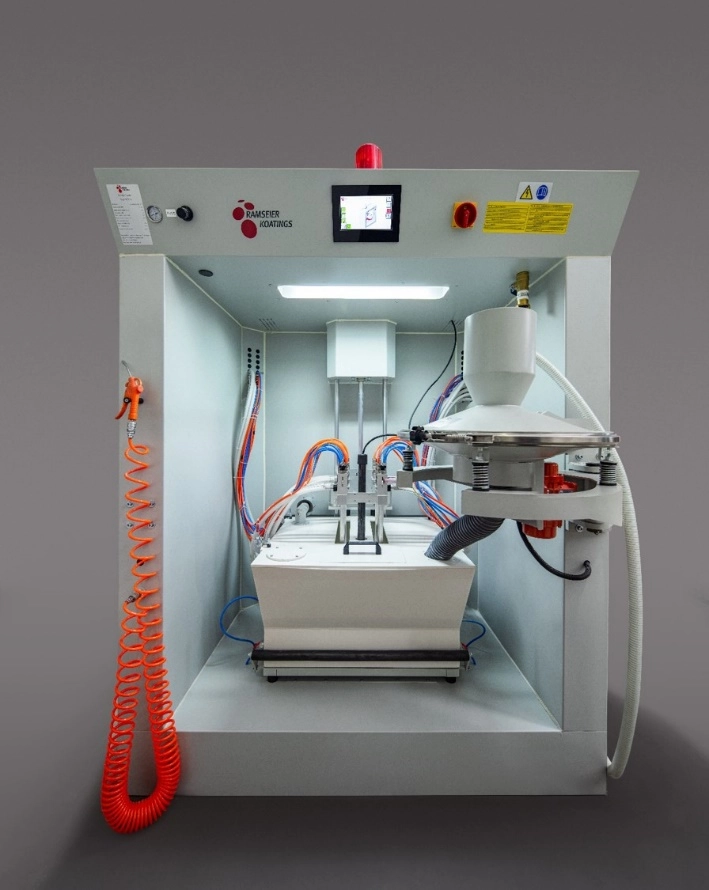
Understanding Powder Sieves
What is a Powder Sieve?
A powder sieve is a device used to separate particles of different sizes in a powder material. It typically consists of a mesh or perforated screen that allows smaller particles to pass through while retaining larger ones. Powder sieves are commonly used in various industries, including pharmaceuticals, food processing, and chemical manufacturing.
Types of Powder Sieves
1. Mechanical Sieves: These are manually operated or machine-driven devices that use vibration or shaking to facilitate the separation of particles. They are often used for coarse materials.
2. Air Jet Sieves: These utilize a stream of air to help separate fine particles from coarser ones. They are particularly effective for powders that tend to clump together.
3. Ultrasonic Sieves: These incorporate ultrasonic vibrations to enhance the sieving process, making them suitable for very fine powders that are difficult to separate using traditional methods.
Applications of Powder Sieves
Powder sieves are used in various applications, including:
- Quality Control: Ensuring that the particle size distribution of a product meets specified standards.
- Material Recovery: Separating reusable materials from waste in recycling processes.
- Product Formulation: Ensuring uniformity in the particle size of ingredients in food and pharmaceutical products.
Understanding Classifiers
What is a Classifier?
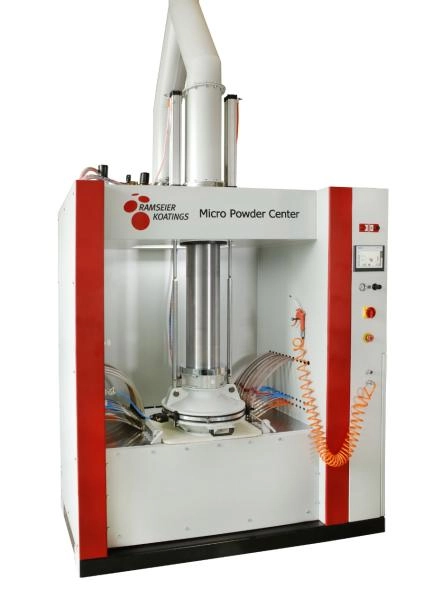
A classifier is a device that separates particles based on their size, shape, or density, often using a combination of mechanical and aerodynamic forces. Classifiers are typically used in processes where precise control over particle size distribution is required.
Types of Classifiers
1. Air Classifiers: These use air flow to separate particles based on their size and density. Lighter particles are carried away by the air stream, while heavier particles fall to the bottom.
2. Hydraulic Classifiers: These utilize water to separate particles based on their settling velocity. This method is commonly used in mineral processing.
3. Centrifugal Classifiers: These employ centrifugal force to separate particles. The denser particles are forced outward, while lighter particles remain closer to the center.
Applications of Classifiers
Classifiers are widely used in various industries, including:
- Mineral Processing: Separating valuable minerals from waste materials.
- Pharmaceuticals: Ensuring uniform particle size in drug formulations.
- Food Processing: Classifying ingredients to achieve desired textures and consistencies.
Key Differences Between Powder Sieves and Classifiers
Functionality
The primary difference between powder sieves and classifiers lies in their functionality. Powder sieves primarily focus on separating particles based on size, while classifiers can separate particles based on size, shape, and density. This makes classifiers more versatile in certain applications.
Mechanism of Operation
Powder sieves typically rely on mechanical agitation or vibration to facilitate separation, whereas classifiers often use air or water flow to achieve the desired separation. This difference in operation can affect the efficiency and effectiveness of each device in specific applications.
Particle Size Range
Powder sieves are generally more effective for larger particle sizes, while classifiers excel in separating finer particles. This distinction is crucial when selecting the appropriate equipment for a given application.
Precision and Control
Classifiers offer greater precision and control over particle size distribution compared to powder sieves. This is particularly important in industries where uniformity is critical, such as pharmaceuticals and food processing.
Maintenance and Operation
Powder sieves are often simpler to operate and maintain than classifiers. Classifiers, especially those that use air or water flow, may require more complex setups and regular maintenance to ensure optimal performance.
Advantages and Limitations
Advantages of Powder Sieves
- Simplicity: Easy to operate and maintain.
- Cost-Effective: Generally less expensive than classifiers.
- Versatility: Suitable for a wide range of applications.
Limitations of Powder Sieves
- Limited Precision: Less effective for fine particle separation.
- Dependence on Manual Operation: Some models require manual intervention, which can lead to inconsistencies.
Advantages of Classifiers
- High Precision: Excellent for achieving specific particle size distributions.
- Versatility: Can separate particles based on multiple criteria (size, shape, density).
- Automation: Many classifiers can be automated for continuous operation.
Limitations of Classifiers
- Complexity: More complex to operate and maintain than powder sieves.
- Higher Cost: Generally more expensive due to advanced technology and features.
Choosing the Right Equipment
When deciding between a powder sieve and a classifier, several factors should be considered:
1. Particle Size: Determine the size range of the particles you need to separate. For larger particles, a powder sieve may be sufficient, while finer particles may require a classifier.
2. Desired Precision: If precise control over particle size distribution is essential, a classifier is likely the better choice.
3. Material Characteristics: Consider the properties of the material being processed. Some materials may clump or behave differently under various separation methods.
4. Budget: Evaluate the cost of each option, including initial investment and ongoing maintenance.
5. Application Requirements: Assess the specific needs of your application, including throughput, efficiency, and quality control standards.
Conclusion
In summary, while powder sieves and classifiers are both essential tools in powder processing, they serve different purposes and are suited for different applications. Understanding their differences in functionality, operation, and precision can help manufacturers and processors make informed decisions about which equipment to use for their specific needs. By carefully considering the factors outlined in this article, businesses can optimize their powder processing operations and achieve better product quality.
Frequently Asked Questions
1. What is the primary function of a powder sieve?
The primary function of a powder sieve is to separate particles based on size, allowing smaller particles to pass through while retaining larger ones.
2. How does a classifier differ from a powder sieve?
A classifier separates particles based on size, shape, and density, while a powder sieve primarily focuses on size separation.
3. What are the common types of classifiers?
Common types of classifiers include air classifiers, hydraulic classifiers, and centrifugal classifiers.
4. In which industries are powder sieves commonly used?
Powder sieves are commonly used in pharmaceuticals, food processing, and chemical manufacturing.
5. What factors should be considered when choosing between a powder sieve and a classifier?
Factors to consider include particle size, desired precision, material characteristics, budget, and application requirements.
Hot Tags: China, Global, OEM, private label, manufacturers, factory, suppliers, manufacturing company





 CALL US ANY TIME









 Tel: +852 2363 2511
 Fax: +852 2764 0105
 E-mail:

 .
. 