Content Menu
● Understanding Vibrating Sieves
>> What is a Vibrating Sieve?
>> How Do Vibrating Sieves Work?
● Current Trends in Vibrating Sieve Technology
>> 1. Integration with Automation
>> 2. Adoption of Ultrasonic Technology
>> 3. Focus on Sustainability
>> 4. Customization and Modularity
>> 5. Enhanced Data Analytics
● Applications of Vibrating Sieves in Various Industries
>> Food Industry
>> Pharmaceutical Industry
>> Chemical Industry
>> Mining and Metallurgy
● Future Directions in Vibrating Sieve Technology
>> Increased Use of Artificial Intelligence
>> Development of Smart Sieving Solutions
>> Enhanced User Interfaces
● Conclusion
>> Frequently Asked Questions
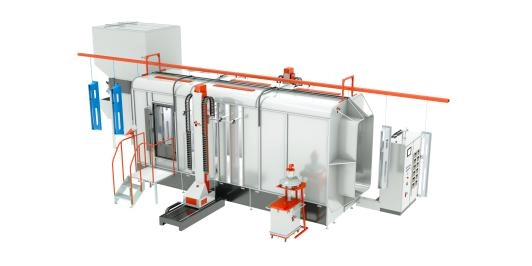
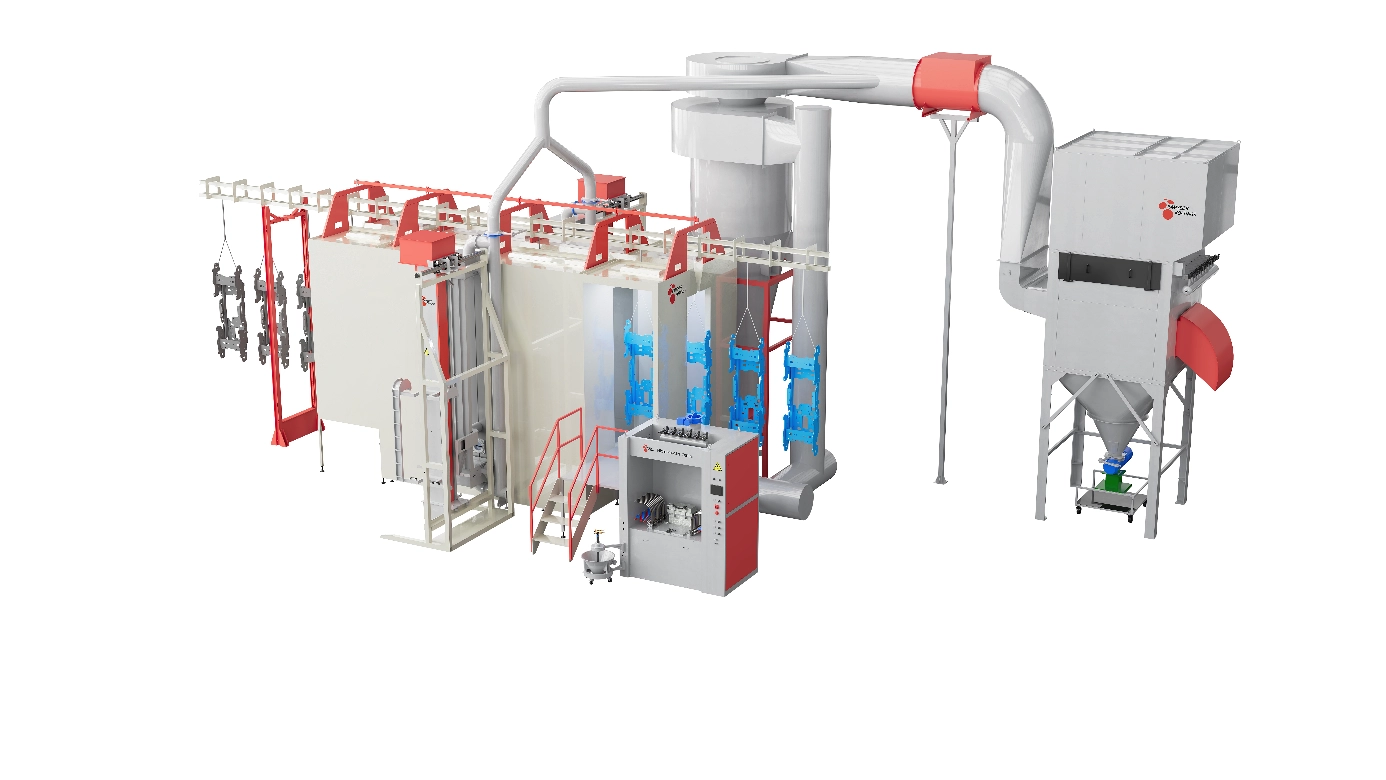
The powder industry is experiencing significant advancements in technology, particularly in the area of vibrating sieves. These machines are essential for ensuring the quality and efficiency of powder processing. This article explores the latest trends in vibrating sieve technology, focusing on automation, ultrasonic technology, sustainability, and customization.
Understanding Vibrating Sieves
What is a Vibrating Sieve?
A vibrating sieve is a mechanical device used to separate materials based on size. It employs vibration to move particles through a mesh screen, allowing smaller particles to pass through while larger ones are retained. This process is crucial in various industries, including food, pharmaceuticals, chemicals, and mining.
How Do Vibrating Sieves Work?
Vibrating sieves operate by creating a controlled vibration that causes the material to move across the screen. The vibration can be generated by electric motors or pneumatic systems. The design of the sieve, including the mesh size and shape, can be tailored to meet specific processing needs.
Current Trends in Vibrating Sieve Technology
1. Integration with Automation
As industries increasingly adopt automation, vibrating sieves are being integrated with advanced control systems. This integration allows for real-time monitoring and adjustments, enhancing efficiency and product quality. Automated systems can track the performance of the sieve, adjusting parameters such as vibration frequency and amplitude to optimize the sieving process.
2. Adoption of Ultrasonic Technology
Ultrasonic technology is becoming a game-changer in the vibrating sieve market. By incorporating ultrasonic vibrations, these sieves can prevent mesh blinding, which is a common issue when processing fine powders. This technology enhances the efficiency of the sieving process, allowing for higher throughput and better separation of particles.
3. Focus on Sustainability
Sustainability is a growing concern across all industries, and the powder sector is no exception. Manufacturers are developing vibrating sieves that consume less energy and produce less waste. Innovations such as energy-efficient motors and recyclable materials for sieve construction are becoming standard. Additionally, companies are focusing on creating machines that require less maintenance, further reducing their environmental impact.
4. Customization and Modularity
The demand for customized solutions is rising in the powder industry. Vibrating sieves are now available in modular designs, allowing businesses to adapt their equipment to specific needs. This flexibility enables companies to change screening layers and sizes easily, accommodating different materials and production requirements.
5. Enhanced Data Analytics
With the rise of Industry 4.0, data analytics is playing a crucial role in the operation of vibrating sieves. Smart sieves equipped with sensors can collect data on performance metrics such as throughput, particle size distribution, and maintenance needs. This data can be analyzed to improve operational efficiency and predict maintenance requirements, reducing downtime and costs.
Applications of Vibrating Sieves in Various Industries
Food Industry
In the food industry, vibrating sieves are essential for ensuring product quality. They are used to remove contaminants and ensure uniform particle size in powders such as flour, sugar, and spices. The ability to customize the sieving process allows manufacturers to meet specific regulatory requirements and consumer preferences.
Pharmaceutical Industry
The pharmaceutical sector relies heavily on vibrating sieves for the production of powders used in medications. These machines help ensure that active ingredients are uniformly sized, which is critical for dosage accuracy and product efficacy. Additionally, the use of ultrasonic technology can enhance the purity of pharmaceutical powders by preventing contamination.
Chemical Industry
In the chemical industry, vibrating sieves are used to separate and classify powders, granules, and liquids. They play a vital role in ensuring the quality of raw materials and finished products. The ability to handle a wide range of materials makes vibrating sieves versatile tools in chemical processing.
Mining and Metallurgy
Vibrating sieves are also widely used in mining and metallurgy for the classification of ores and minerals. They help separate valuable materials from waste, improving the efficiency of resource extraction. The rugged design of these machines allows them to operate effectively in harsh environments.
Future Directions in Vibrating Sieve Technology
Increased Use of Artificial Intelligence
The future of vibrating sieve technology is likely to see increased integration of artificial intelligence (AI). AI can enhance the predictive capabilities of sieves, allowing for smarter maintenance schedules and improved operational efficiency. By analyzing data trends, AI can help operators make informed decisions about process adjustments.
Development of Smart Sieving Solutions
Smart sieving solutions that incorporate IoT (Internet of Things) technology are on the rise. These systems can communicate with other machines and central control systems, providing real-time data and insights. This connectivity allows for more efficient production processes and better quality control.
Enhanced User Interfaces
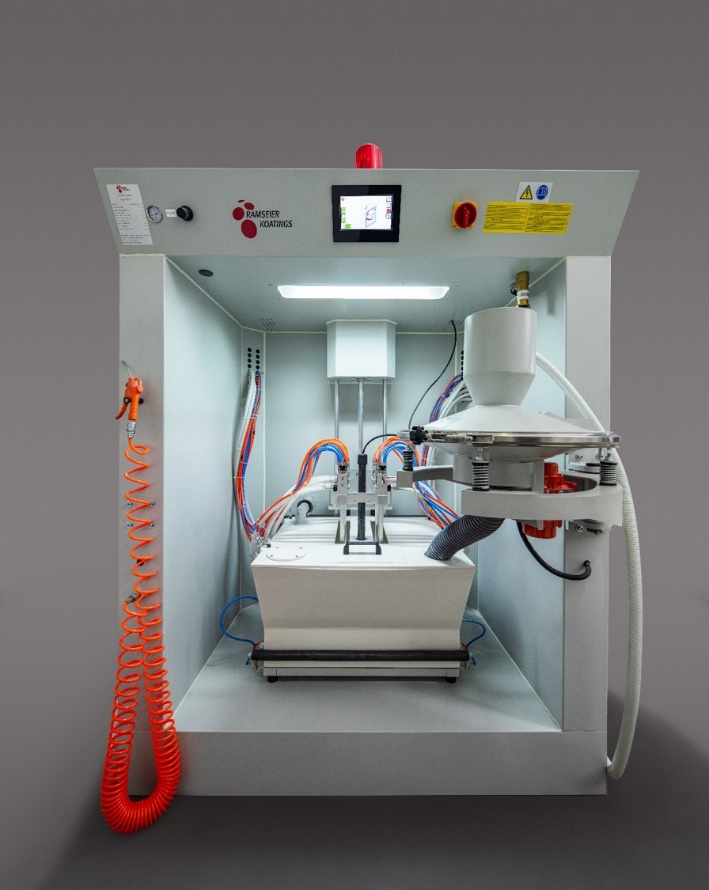
As technology evolves, the user interfaces for operating vibrating sieves are becoming more sophisticated. Touchscreen controls and intuitive software are making it easier for operators to manage sieving processes. Enhanced user interfaces can also provide valuable insights into machine performance and maintenance needs.
Conclusion
The vibrating sieve technology landscape is rapidly evolving, driven by advancements in automation, ultrasonic technology, and sustainability. As industries continue to seek ways to improve efficiency and product quality, vibrating sieves will play a crucial role in meeting these demands. The future promises even more innovations, with smart solutions and enhanced data analytics paving the way for more efficient powder processing.
Frequently Asked Questions
1. What are the main benefits of using vibrating sieves?
- Vibrating sieves enhance product quality, increase efficiency, reduce downtime, and are versatile for various applications.
2. How does ultrasonic technology improve sieving?
- Ultrasonic technology prevents mesh blinding, allowing for better separation of fine particles and higher throughput.
3. What industries benefit from vibrating sieve technology?
- Industries such as food, pharmaceuticals, chemicals, and mining utilize vibrating sieves for efficient powder processing.
4. What is the role of automation in vibrating sieve technology?
- Automation allows for real-time monitoring and adjustments, improving efficiency and product quality.
5. How can vibrating sieves be customized?
- Vibrating sieves can be designed in modular formats, allowing businesses to adapt them to specific materials and production needs.
Hot Tags: China, Global, OEM, private label, manufacturers, factory, suppliers, manufacturing company





 CALL US ANY TIME









 Tel: +852 2363 2511
 Fax: +852 2764 0105
 E-mail:

 .
. 