Content Menu
● Understanding Powder Sieves and Their Importance
>> What Is a Powder Sieve?
>> Why Safety Standards Matter in Powder Sieves
● Key Safety Standards for Powder Sieves
>> International Safety Standards to Know
>> Material and Construction Standards
>> Electrical Safety Standards
● Design Features That Enhance Safety
>> Dust Containment and Explosion Prevention
>> Ergonomic and User Safety
>> Noise and Vibration Control
● Operational Safety Practices
>> Proper Training and Procedures
>> Personal Protective Equipment (PPE)
>> Routine Inspection and Maintenance
● Selecting the Right Powder Sieve for Your Safety Needs
>> Matching Your Application Requirements
>> Supplier Certification and Support
● Common Safety Hazards and How to Avoid Them
>> Dust Explosion Risks
>> Mechanical Injury Risks
>> Contamination Issues
● Advanced Safety Technologies in Modern Powder Sieves
>> Automated Safety Monitoring
>> Remote Operation and Control
● Frequently Asked Questions About Powder Sieve Safety Standards
>> 1. What is the most important safety standard to look for in a powder sieve?
>> 2. How do powder sieves prevent dust explosions?
>> 3. Why is food-grade stainless steel important in powder sieves?
>> 4. How often should powder sieves be inspected for safety?
>> 5. Can I operate a powder sieve without PPE if the machine is safe?
When purchasing a powder sieve, understanding the essential safety standards is crucial to ensure operational safety, product quality, and compliance with industry regulations. Powder sieves are widely used in industries such as pharmaceuticals, food processing, chemicals, and manufacturing to separate powders by particle size efficiently. Safety standards not only protect operators but also maintain product integrity and prevent contamination or accidents.
This comprehensive guide explores the key powder sieve safety standards you should know before investing in your equipment. It covers international regulations, material requirements, design considerations, operational safety, and maintenance practices to keep your workplace safe and productive.
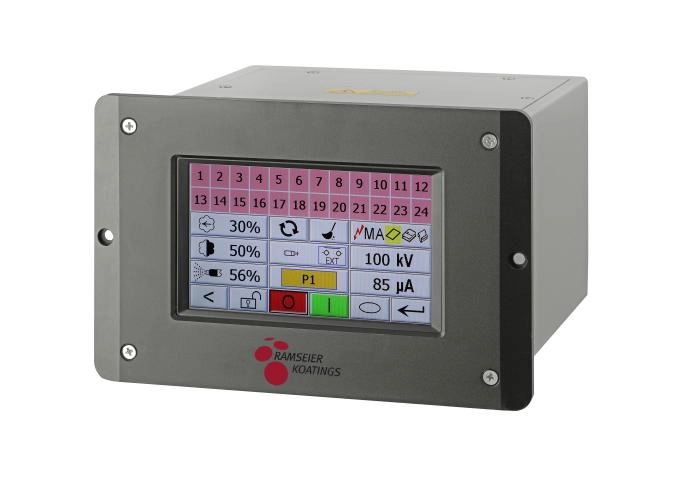
Understanding Powder Sieves and Their Importance
What Is a Powder Sieve?
A powder sieve is a machine designed to filter and separate fine powders by size using a mesh or screen. It plays a vital role in quality control by removing oversized particles and impurities from powder blends.
Why Safety Standards Matter in Powder Sieves
Operating powder sieves involves risks such as dust explosion, contamination, mechanical hazards, and exposure to harmful particles. Hence, following robust safety standards helps to:
- Prevent accidents and injuries
- Avoid product contamination
- Comply with legal and industry requirements
- Enhance equipment performance and longevity
***
Key Safety Standards for Powder Sieves
International Safety Standards to Know
When buying a powder sieve, prioritize compliance with internationally recognized safety standards and certifications. Some of the leading references include:
- ISO 13849: Safety related parts of control systems
- ANSI/OMAC: Safety requirements for machinery
- ATEX directives: For equipment used in explosive atmospheres, crucial for powder sieves handling combustible dust
- FDA regulations: Particularly for food and pharmaceutical applications, emphasizing hygiene and contamination prevention
Material and Construction Standards
The materials used in powder sieves must adhere to strict safety and hygiene standards, including:
- Use of food-grade stainless steel (such as 304 or 316L) to resist corrosion and contamination
- Smooth, polished surfaces that reduce powder buildup and make cleaning easier
- Welds that are smooth and without crevices, preventing bacterial accumulation
Electrical Safety Standards
Power-operated powder sieves must comply with electrical safety codes such as:
- IEC 60204-1: Safety of machinery - electrical equipment of machines
- Proper grounding and protection against electrical shocks
- Use of explosion-proof motors and components in hazardous environments
Design Features That Enhance Safety
Dust Containment and Explosion Prevention
Powder sieves generate dust during operation, which poses explosion hazards if combustible powders are processed. Safety features include:
- Closed system design to contain dust
- Installation of spark detection and suppression systems
- Use of pressure relief panels to minimize damage in case of an explosion
Ergonomic and User Safety
Safe operation requires well-designed user interfaces and mechanical features:
- Easy access panels for cleaning and maintenance while ensuring operator protection
- Emergency stop buttons clearly visible and accessible
- Safety interlocks to prevent operation while panels are open
Noise and Vibration Control
Prolonged exposure to excessive noise and vibration can affect worker health. Safety design might include:
- Use of vibration isolators under the machine frame
- Sound-dampening enclosures or materials
Operational Safety Practices
Proper Training and Procedures
Even the safest machine is risky without well-trained operators. Essential training topics include:
- Safe start-up and shutdown procedures
- Recognizing signs of malfunction or wear
- Proper cleaning methods to reduce dust exposure
Personal Protective Equipment (PPE)
Operators should wear appropriate PPE to prevent inhalation or contact with powders, including:
- Respirators or dust masks
- Gloves and protective clothing
- Eye protection
Routine Inspection and Maintenance
Regular checks ensure safety mechanisms function correctly and prevent unexpected failures:
- Inspect screens for tears or wear
- Verify electrical safety devices are operational
- Clean dust buildup thoroughly
Selecting the Right Powder Sieve for Your Safety Needs
Matching Your Application Requirements
Different industries and applications demand specific safety features:
- Pharmaceutical sieves often require validation documentation and strict contamination controls.
- Food-grade sieves prioritize hygienic design and cleanability.
- Chemical industries emphasize explosion-proof ratings and corrosion resistance.
Supplier Certification and Support
Choose suppliers who provide:
- Third-party certification proof for safety compliance
- Detailed operation and maintenance manuals
- Responsive technical support and training services
Common Safety Hazards and How to Avoid Them
Dust Explosion Risks
Powder sieves processing combustible powders must be protected against dust explosions by:
- Proper grounding and bonding
- Use of inert gas or ventilation systems
- Avoiding ignition sources near the sieve
Mechanical Injury Risks
Operators can be harmed by moving parts if safety guards or interlocks are bypassed. Always:
- Never operate without guards
- Follow lockout/tagout procedures during maintenance
Contamination Issues
Poorly maintained sieves increase contamination risks. Ensure:
- Regular cleaning schedules
- Using appropriate sieve mesh materials for the product
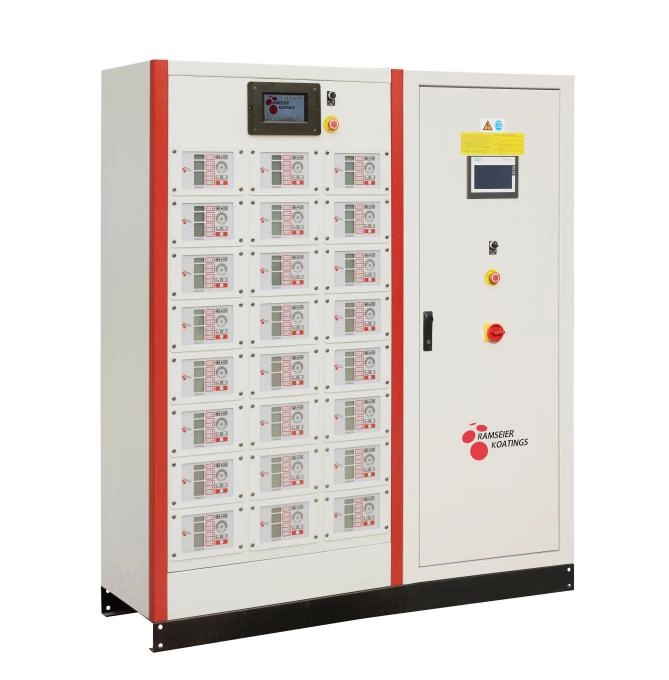
Advanced Safety Technologies in Modern Powder Sieves
Automated Safety Monitoring
Some modern powder sieves integrate sensors to:
- Detect vibration abnormalities
- Monitor temperature to prevent overheating
- Signal operator if maintenance is due
Remote Operation and Control
Remote monitoring reduces operator exposure to dust or hazardous environments by controlling sieve operation from a safe distance.
Frequently Asked Questions About Powder Sieve Safety Standards
1. What is the most important safety standard to look for in a powder sieve?
The most critical standard depends on your industry, but for explosive dust environments, ATEX certification for explosion protection is essential, alongside compliance with general machinery safety standards like ISO 13849.
2. How do powder sieves prevent dust explosions?
They use closed systems, spark detection/suppression systems, and pressure relief panels to control dust and mitigate explosion risks.
3. Why is food-grade stainless steel important in powder sieves?
Food-grade stainless steel prevents corrosion, reduces contamination risk, and allows easy cleaning to meet hygiene standards.
4. How often should powder sieves be inspected for safety?
Depending on usage, inspection should be conducted routinely — at least once per production shift for critical safety features and more thoroughly during scheduled maintenance.
5. Can I operate a powder sieve without PPE if the machine is safe?
No. Even with safe equipment, PPE is necessary to protect against accidental exposure to fine powders and dust.
Hot Tags: China, Global, OEM, private label, manufacturers, factory, suppliers, manufacturing company





 CALL US ANY TIME









 Tel: +852 2363 2511
 Fax: +852 2764 0105
 E-mail:

 .
. 