Content Menu
● Understanding Powder Sieves
>> What is a Powder Sieve?
>> Types of Powder Sieves
● Factors to Consider When Selecting Powder Sieves
>> 1. Particle Size and Distribution
>> 2. Flowability of the Powder
>> 3. Moisture Content
>> 4. Material Characteristics
>> 5. Regulatory and Hygiene Requirements
● Choosing the Right Sieve for Specific Applications
>> Pharmaceutical Applications
>> Food Processing
>> Chemical Manufacturing
● Maintenance and Care of Powder Sieves
>> Regular Cleaning
>> Inspection and Replacement
● Conclusion
>> Frequently Asked Questions
Selecting the right powder sieve is crucial for ensuring the quality and consistency of powdered materials across various industries, including pharmaceuticals, food processing, and chemical manufacturing. This article will guide you through the essential factors to consider when choosing powder sieves for different powder materials, helping you optimize your sieving processes.
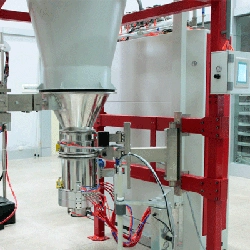
Understanding Powder Sieves
What is a Powder Sieve?
A powder sieve is a device used to separate particles of different sizes from a powder mixture. It typically consists of a mesh screen that allows smaller particles to pass through while retaining larger ones. The choice of sieve depends on the specific characteristics of the powder being processed.
Types of Powder Sieves
There are several types of powder sieves, each designed for specific applications:
- Vibratory Sieves: These use vibration to facilitate the movement of powder through the mesh, making them ideal for fine powders.
- Ultrasonic Sieves: These employ ultrasonic waves to prevent blinding of the mesh, suitable for very fine or sticky powders.
- Rotary Sieves: These are used for bulk materials and can handle larger volumes, making them suitable for industrial applications.
- Air Jet Sieves: These use air pressure to separate particles, effective for very fine powders.
Factors to Consider When Selecting Powder Sieves
1. Particle Size and Distribution
The first step in selecting a powder sieve is to understand the particle size and distribution of the material. Different powders have varying particle sizes, which can affect how they behave during sieving.
- Fine Powders: Require sieves with smaller mesh sizes to ensure effective separation.
- Coarse Powders: Can be processed with larger mesh sizes, allowing for quicker throughput.
2. Flowability of the Powder
The flowability of a powder significantly impacts its sieving performance. Powders that flow easily will pass through sieves more efficiently, while those with poor flowability may require additional mechanical aids or specific sieve designs.
- Cohesive Powders: May need ultrasonic sieves to prevent clumping.
- Free-Flowing Powders: Can be effectively processed with standard vibratory sieves.
3. Moisture Content
Moisture content can affect the behavior of powders during sieving. High moisture levels can lead to clumping, making it difficult for powders to pass through the sieve.
- Hygroscopic Powders: Such as sugar or salt, may require sealed sieving systems to prevent moisture absorption.
- Dry Powders: Can be processed with standard open sieves.
4. Material Characteristics
Different materials have unique properties that influence the choice of sieve. For example, metal powders may require different handling compared to organic powders.
- Metal Powders: Often require robust sieves to handle their density and abrasiveness.
- Organic Powders: May need more delicate handling to avoid degradation.
5. Regulatory and Hygiene Requirements
In industries such as food and pharmaceuticals, regulatory compliance and hygiene are paramount. The design of the sieve should facilitate easy cleaning and maintenance to meet these standards.
- Easy-Clean Designs: Are essential for food processing to prevent contamination.
- Material Selection: Stainless steel is often preferred for its durability and ease of cleaning.
Choosing the Right Sieve for Specific Applications
Pharmaceutical Applications
In the pharmaceutical industry, precision is critical. Sieves must be able to handle fine powders and ensure uniformity in particle size for effective drug formulation.
- Electroformed Sieves: Are often used for their precision in separating very fine particles.
- Vibratory Sieves: Help maintain the integrity of delicate powders.
Food Processing
Food powders, such as flour and sugar, require sieves that can ensure product purity while maintaining hygiene standards.
- Vibratory Check Sieves: Are commonly used to ensure that food powders are free from contaminants.
- Ultrasonic Sieves: Can be beneficial for sticky powders that tend to blind the mesh.
Chemical Manufacturing
In chemical manufacturing, the choice of sieve can affect the efficiency of production processes.
- Rotary Sieves: Are suitable for bulk materials and can handle larger volumes.
- Air Jet Sieves: Are effective for fine chemicals that require precise separation.
Maintenance and Care of Powder Sieves
Regular Cleaning
To maintain the efficiency of powder sieves, regular cleaning is essential. This prevents cross-contamination and ensures consistent performance.
- Cleaning Protocols: Should be established based on the type of powder being processed.
- Material Compatibility: Ensure that cleaning agents do not react with the materials being sieved.
Inspection and Replacement
Regular inspection of sieves for wear and tear is crucial. Damaged sieves can lead to inaccurate results and product contamination.
- Mesh Integrity: Check for tears or holes that could affect performance.
- Replacement Schedule: Establish a routine for replacing worn sieves to maintain efficiency.
Conclusion
Selecting the right powder sieve is a critical step in ensuring the quality and efficiency of powder processing. By considering factors such as particle size, flowability, moisture content, material characteristics, and regulatory requirements, you can choose the most suitable sieve for your specific application. Regular maintenance and care will further enhance the performance and longevity of your sieving equipment.
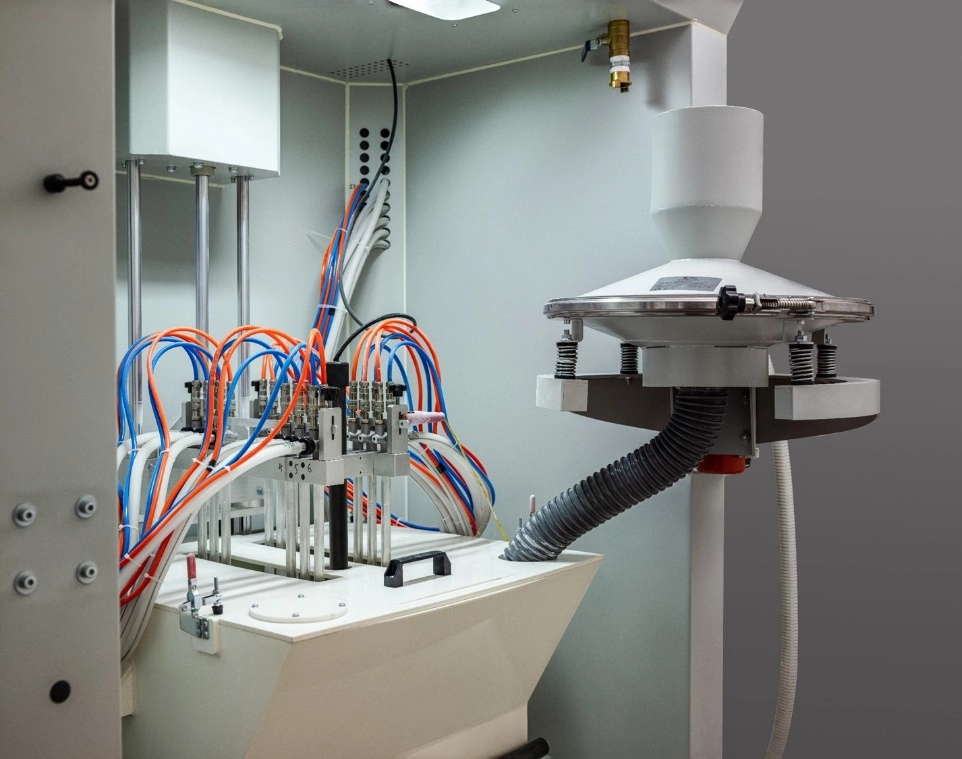
Frequently Asked Questions
1. What type of sieve is best for fine powders?
- Ultrasonic sieves are ideal for fine powders as they prevent blinding of the mesh.
2. How does moisture content affect sieving?
- High moisture content can cause powders to clump, making it difficult for them to pass through the sieve.
3. What materials are commonly used for powder sieves?
- Stainless steel is commonly used due to its durability and ease of cleaning.
4. How often should powder sieves be cleaned?
- Sieves should be cleaned regularly, especially when switching between different powders to prevent contamination.
5. What is the importance of particle size distribution in sieving?
- Understanding particle size distribution helps in selecting the appropriate mesh size for effective separation.
Hot Tags: China, Global, OEM, private label, manufacturers, factory, suppliers, manufacturing company





 CALL US ANY TIME









 Tel: +852 2363 2511
 Fax: +852 2764 0105
 E-mail:

 .
. 