
 CALL US ANY TIME
+852 2363 2511
CALL US ANY TIME


Author: ramseierkoatings Publish Time: 2025-12-22 Origin: Site


Content Menu
● Understanding Vibrating Sieve Systems
● Benefits of Using Vibrating Sieves
>> Versatility
● Key Factors for Optimizing Powder Flow
>> 1. Adjusting Operating Parameters
>> 2. Material Characteristics
>> 3. Feed Rate and Distribution
>> 4. Maintenance and Inspection
● Advanced Techniques for Optimization
● Applications of Vibrating Sieves
Optimizing powder flow in industrial processes is crucial for enhancing efficiency, reducing waste, and ensuring product quality. One of the most effective tools for achieving this is the vibrating sieve system. This article will explore the principles of vibrating sieves, their applications, and best practices for optimizing powder flow.
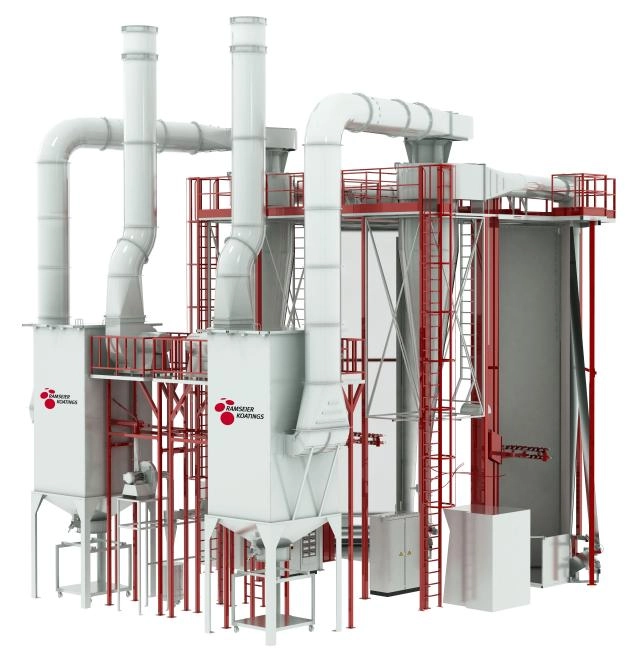
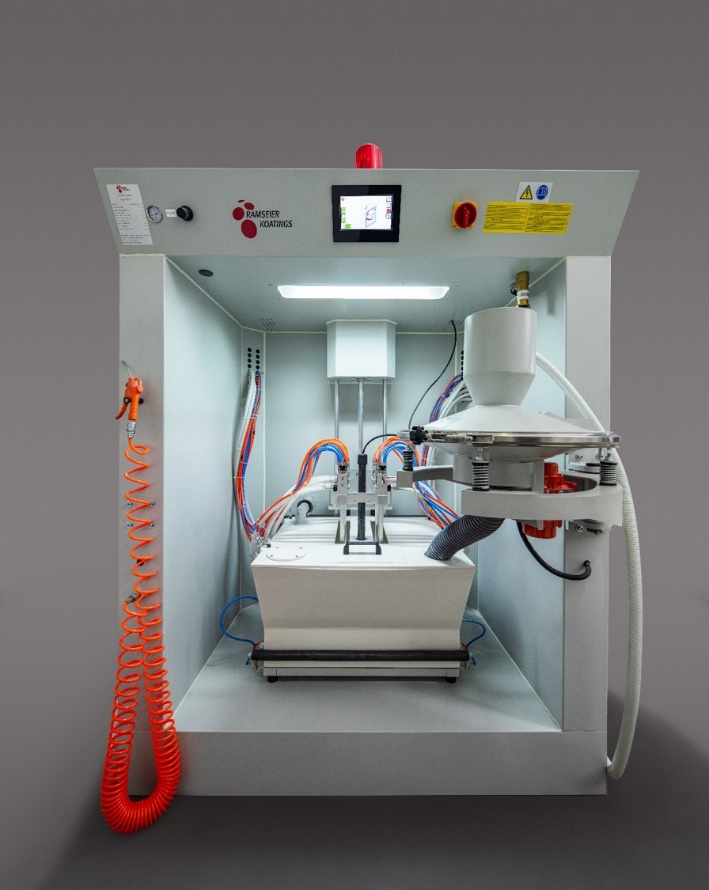
A vibrating sieve is a mechanical device that uses vibration to separate materials based on size. It consists of a screen or mesh that allows smaller particles to pass through while larger particles are retained. The vibration is typically generated by an unbalanced motor, which creates a centrifugal force that moves the material across the screen.
The operation of a vibrating sieve involves several key components:
- Screening Surface: The mesh or perforated plate where the material is placed.
- Vibration Mechanism: Usually an unbalanced motor that generates the necessary vibrations.
- Material Flow: The angle and speed of the vibration influence how materials move across the screen.
The efficiency of a vibrating sieve is determined by its design, the characteristics of the material being processed, and the operating conditions.
Vibrating sieves can significantly enhance the efficiency of powder processing. By optimizing the flow of materials, they reduce the time required for separation and increase throughput.
By ensuring that only particles of the desired size pass through, vibrating sieves help maintain the quality of the final product. This is particularly important in industries such as pharmaceuticals and food processing, where product consistency is critical.
Vibrating sieves can be used for a wide range of materials, including powders, granules, and even liquids. This versatility makes them suitable for various applications across different industries.
The performance of a vibrating sieve can be significantly affected by its operating parameters. Key factors include:
- Vibration Frequency: Adjusting the frequency can optimize the separation process. Higher frequencies may be suitable for fine powders, while lower frequencies can be effective for larger particles.
- Amplitude: The amplitude of vibration should be adjusted based on the material characteristics. A higher amplitude may be necessary for heavier materials.
Understanding the properties of the material being processed is essential for optimizing powder flow. Factors such as particle size, moisture content, and stickiness can influence how the material behaves on the sieve.
- Heavy, Coarse, or Moist Materials: These require stronger vertical movement to ensure effective separation.
- Light and Fine Materials: These require less vertical movement, as excessive vibration can lead to material loss.
The way material is fed into the sieve can greatly impact its performance. An optimal feed rate ensures that the material is evenly distributed across the screening surface, preventing blockages and ensuring efficient separation.
- Too Fast Feed Rate: This can lead to material being expelled from the screen or not being properly sized.
- Uneven Distribution: This can cause some areas of the sieve to become overloaded while others are underutilized.
Regular maintenance is crucial for ensuring the longevity and efficiency of vibrating sieves. Key maintenance practices include:
- Inspecting the Screen: Regularly check for wear and tear on the mesh and replace it as necessary.
- Monitoring Vibration Levels: Ensure that the vibration levels are appropriate for the materials being processed.
- Lubrication: Proper lubrication of moving parts reduces friction and wear, enhancing performance.
Ultrasonic sieving technology can be employed to enhance the performance of vibrating sieves, particularly for fine powders. This technology uses high-frequency vibrations to reduce mesh friction, minimize blinding, and increase throughput.
Incorporating ball cleaning systems can help maintain the integrity of the sieve by preventing clogging. These systems use balls that bounce against the mesh, dislodging any particles that may cause blockages.
Implementing local exhaust ventilation systems can effectively capture airborne particles generated during the sieving process. This not only protects workers but also ensures compliance with health and safety regulations.
In the food industry, vibrating sieves are used for grading, de-dusting, and ensuring the quality of powders such as flour, sugar, and spices. They help maintain product consistency and prevent contamination.
Vibrating sieves play a critical role in the pharmaceutical industry by ensuring that active ingredients are properly sized and free from contaminants. This is essential for maintaining the efficacy and safety of pharmaceutical products.
In chemical processing, vibrating sieves are used to separate and classify powders, ensuring that only materials of the desired size are used in production. This helps improve product quality and reduce waste.
Optimizing powder flow using a vibrating sieve system involves understanding the principles of operation, adjusting key parameters, and implementing best practices for maintenance and inspection. By focusing on these areas, industries can enhance efficiency, improve product quality, and ensure the effective processing of powders.
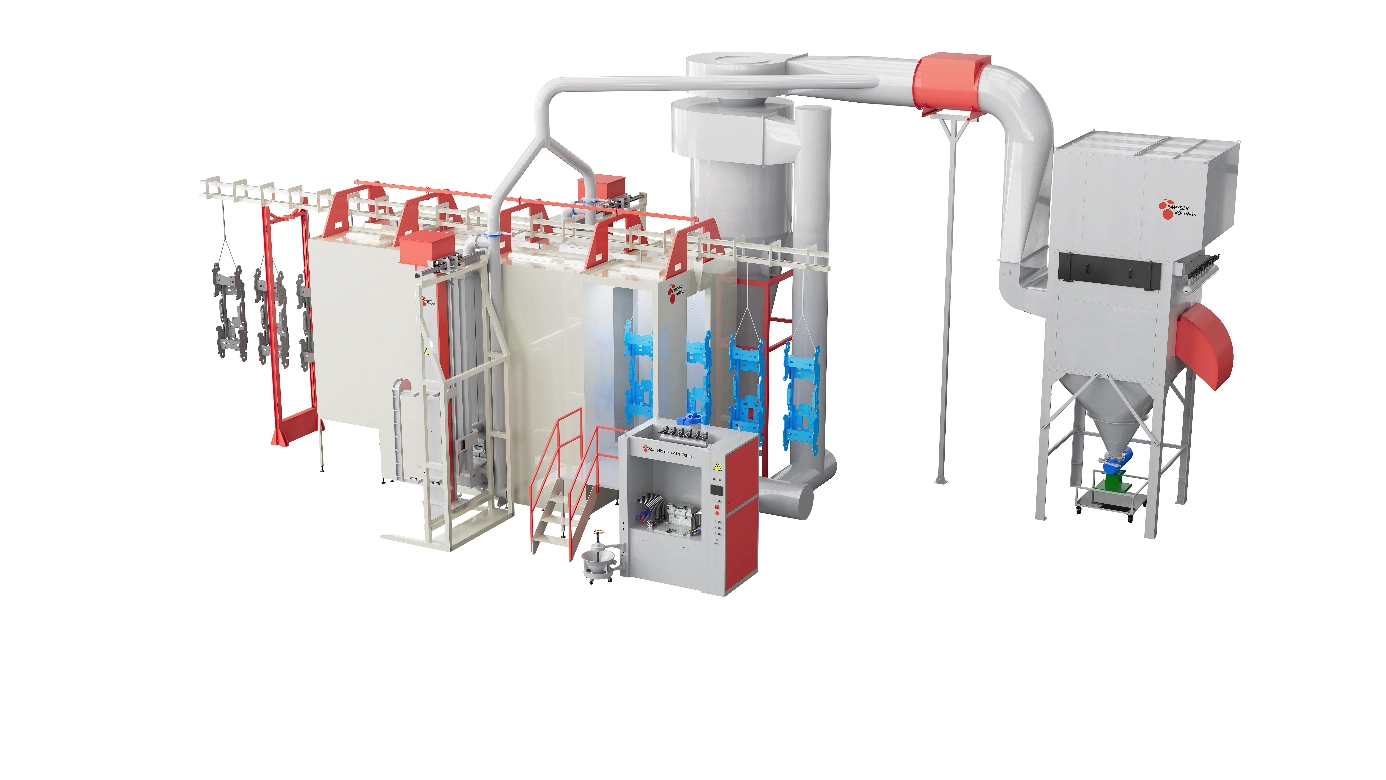
1. What types of materials can be processed with a vibrating sieve?
- Vibrating sieves can process a wide range of materials, including powders, granules, and liquids.
2. How often should I perform maintenance on my vibrating sieve?
- Regular maintenance should be performed based on usage, but a routine inspection schedule is recommended to identify issues early.
3. What is the role of vibration frequency in powder flow optimization?
- Vibration frequency affects the separation process; higher frequencies are better for fine powders, while lower frequencies suit larger particles.
4. Can ultrasonic technology improve the performance of vibrating sieves?
- Yes, ultrasonic technology can reduce mesh friction and increase throughput, particularly for fine powders.
5. How can I prevent clogging in my vibrating sieve?
- Implementing ball cleaning systems and ensuring proper maintenance can help prevent clogging and maintain optimal performance.
Hot Tags: China, Global, OEM, private label, manufacturers, factory, suppliers, manufacturing company









 9/F,Hung Tak Building,106-108 Des Voeux Road Central,Hong Kong
 Tel: +852 2363 2511
 Fax: +852 2764 0105
 E-mail: info@ramseierkoatings.com


 .
.


