Content Menu
● Understanding Powder Sieves
>> What Are Powder Sieves?
>> Types of Powder Sieves
● The Role of Powder Sieves in Environmental Compliance
>> Minimizing Dust Emissions
>> Waste Reduction
>> Compliance with Regulatory Standards
● Enhancing Product Quality
>> Consistency and Uniformity
>> Preventing Contamination
● Safety Considerations
>> Protecting Workers
>> Compliance with Safety Regulations
● Innovations in Powder Sieving Technology
>> Advanced Sieving Solutions
>> Integration with Industry 4.0
● Conclusion
>> Frequently Asked Questions
In today's industrial landscape, the importance of adhering to environmental and regulatory standards cannot be overstated. Industries ranging from pharmaceuticals to food processing are under increasing pressure to ensure that their operations are not only efficient but also compliant with stringent regulations. One of the critical tools in achieving these goals is the use of powder sieves. This article explores how powder sieves contribute to meeting environmental and regulatory requirements, enhancing product quality, and ensuring safety in various industries.
Understanding Powder Sieves
What Are Powder Sieves?
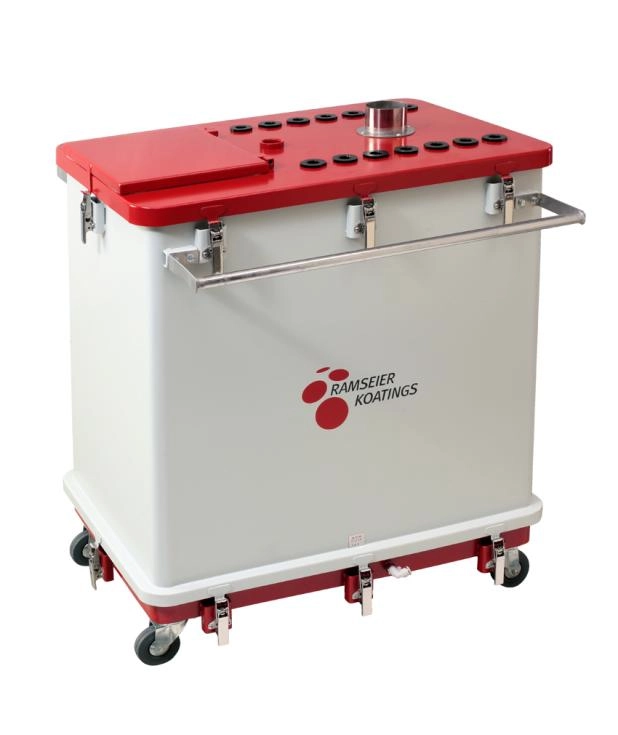
Powder sieves are devices used to separate particles of different sizes in powdered materials. They play a crucial role in various industries, including pharmaceuticals, food processing, chemicals, and mining. By ensuring that powders are of uniform size, sieves help maintain product quality and consistency.
Types of Powder Sieves
There are several types of powder sieves, each designed for specific applications:
- Vibratory Sieves: These use vibration to facilitate the separation of particles and are commonly used in food and pharmaceutical industries.
- Ultrasonic Sieves: These employ ultrasonic waves to prevent mesh blinding, ensuring continuous operation and efficiency.
- Rotary Sieves: Often used in bulk material handling, these sieves rotate to separate particles effectively.
The Role of Powder Sieves in Environmental Compliance
Minimizing Dust Emissions
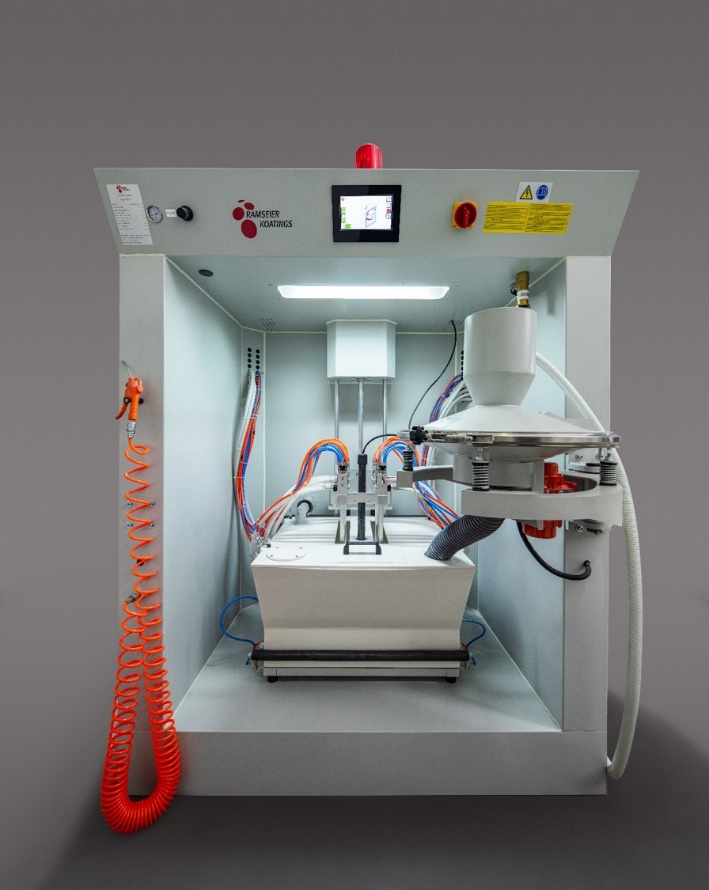
One of the primary environmental concerns in powder handling is dust emissions. Dust can pose health risks to workers and contribute to environmental pollution. Powder sieves are designed with integrated dust control systems that minimize airborne particles during processing. By containing dust within the sieving system, manufacturers can significantly reduce their environmental footprint and comply with regulations regarding air quality.
Waste Reduction
Efficient sieving processes help reduce waste by ensuring that only the desired particle sizes are processed. This not only conserves raw materials but also minimizes the environmental impact associated with waste disposal. By optimizing the sieving process, companies can achieve higher yields and reduce the amount of material that ends up as waste.
Compliance with Regulatory Standards
Many industries are governed by strict regulations that dictate how materials must be handled and processed. For example, the pharmaceutical industry is subject to guidelines from regulatory bodies such as the FDA and EMA. Powder sieves help manufacturers comply with these regulations by ensuring that products are free from contaminants and meet specified quality standards.
Enhancing Product Quality
Consistency and Uniformity
Uniform particle size is essential for product quality, especially in industries like pharmaceuticals and food processing. Powder sieves ensure that materials are consistently sized, which is crucial for achieving the desired product characteristics. This consistency not only enhances product quality but also improves the efficiency of downstream processes.
Preventing Contamination
In industries where contamination can have serious consequences, such as pharmaceuticals and food production, powder sieves play a vital role in maintaining product integrity. By effectively separating particles, sieves help prevent cross-contamination between different batches of materials. This is particularly important in allergen-sensitive environments where even trace amounts of contaminants can lead to significant health risks.
Safety Considerations
Protecting Workers
The use of powder sieves contributes to a safer working environment by minimizing dust exposure. Dust control systems integrated into sieving equipment help protect workers from inhaling harmful particles. Additionally, many modern sieves are designed with safety features that reduce the risk of accidents during operation.
Compliance with Safety Regulations
In addition to environmental regulations, industries must also adhere to safety standards. Powder sieves that meet these safety requirements help manufacturers avoid penalties and ensure a safe working environment. Compliance with standards such as OSHA regulations is essential for maintaining operational integrity and protecting employees.
Innovations in Powder Sieving Technology
Advanced Sieving Solutions
Recent advancements in sieving technology have led to the development of more efficient and effective powder sieves. Innovations such as self-cleaning sieves and automated systems have improved the reliability and performance of sieving processes. These advancements not only enhance product quality but also contribute to environmental sustainability by reducing waste and energy consumption.
Integration with Industry 4.0
The rise of Industry 4.0 has brought about significant changes in manufacturing processes, including the integration of smart technologies. Powder sieves equipped with sensors and data analytics capabilities can provide real-time monitoring of sieving operations. This data-driven approach allows manufacturers to optimize their processes, ensuring compliance with environmental and regulatory standards while improving efficiency.
Conclusion
Powder sieves are indispensable tools in modern manufacturing, playing a crucial role in meeting environmental and regulatory requirements. By minimizing dust emissions, reducing waste, and enhancing product quality, these devices help industries comply with stringent regulations while ensuring the safety of workers and consumers. As technology continues to evolve, the capabilities of powder sieves will only improve, further supporting manufacturers in their quest for sustainability and compliance.
Frequently Asked Questions
1. What are the main benefits of using powder sieves in manufacturing?
- Powder sieves help ensure product quality, minimize waste, and comply with environmental and safety regulations.
2. How do powder sieves contribute to environmental sustainability?
- They reduce dust emissions and waste, helping manufacturers lower their environmental impact.
3. What types of industries benefit from powder sieving?
- Industries such as pharmaceuticals, food processing, chemicals, and mining all utilize powder sieves.
4. What safety features should be considered when selecting a powder sieve?
- Look for dust control systems, noise reduction technology, and compliance with safety regulations.
5. How can advancements in technology improve powder sieving processes?
- Innovations like self-cleaning sieves and smart technology integration enhance efficiency and compliance.
Hot Tags: China, Global, OEM, private label, manufacturers, factory, suppliers, manufacturing company





 CALL US ANY TIME









 Tel: +852 2363 2511
 Fax: +852 2764 0105
 E-mail:

 .
. 