Content Menu
● Understanding Powder Coating
>> What is Powder Coating?
>> The Need for Smart Control Solutions
● Benefits of Smart Control Solutions
>> Enhanced Efficiency
>>> Automation and Robotics
>> Improved Quality Control
>>> Real-Time Monitoring
>> Cost Savings
>>> Energy Efficiency
>> Sustainability
● Applications of Smart Control Solutions in Powder Coating
>> Automotive Industry
>> Furniture and Appliances
>> Industrial Equipment
● The Future of Powder Coating with Smart Control Solutions
>> Industry 4.0 and Smart Manufacturing
>> Challenges and Considerations
>> Conclusion
● Frequently Asked Questions
>> 1. What are smart control solutions in powder coating?
>> 2. How do smart control solutions improve efficiency?
>> 3. What role does real-time monitoring play in quality control?
>> 4. Can smart control solutions help reduce costs?
>> 5. How do smart control solutions contribute to sustainability?
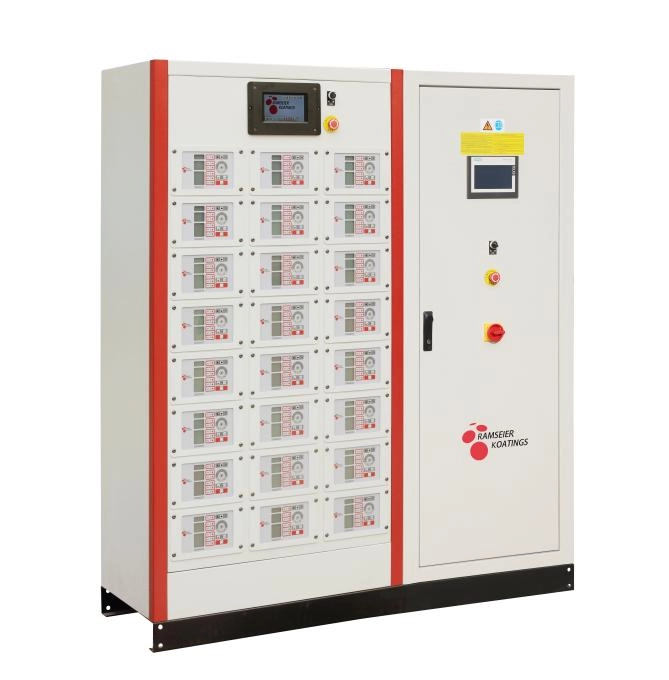
In the rapidly evolving landscape of manufacturing, powder coating has emerged as a critical process for enhancing the durability and aesthetic appeal of various products. As industries strive for greater efficiency, quality, and sustainability, leading powder coating manufacturers are increasingly turning to smart control solutions. These advanced technologies not only streamline operations but also significantly improve product quality and reduce environmental impact. This article explores the reasons behind this trend, the benefits of smart control solutions, and their implications for the future of powder coating.
Understanding Powder Coating
What is Powder Coating?
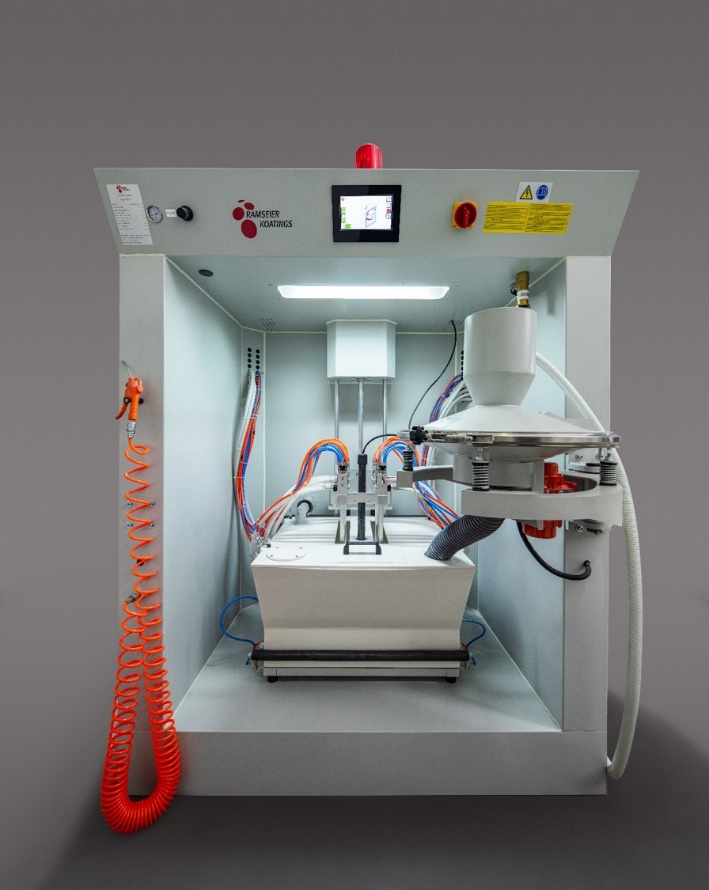
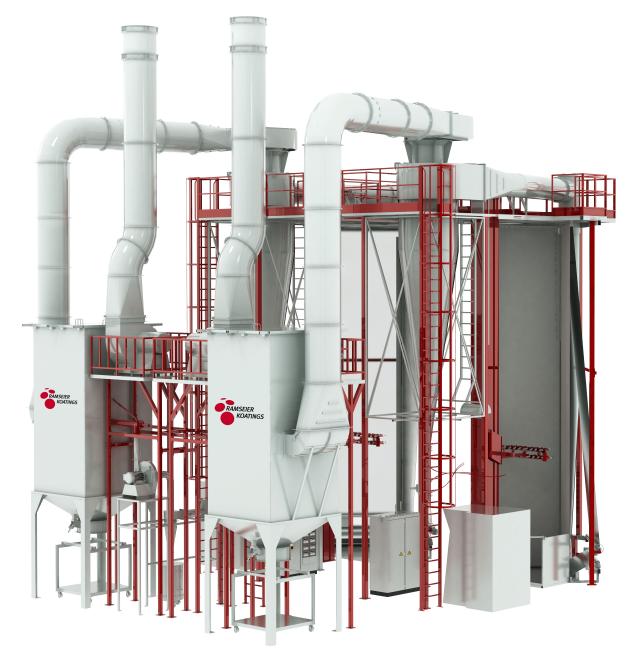
Powder coating is a dry finishing process that uses finely ground particles of pigment and resin, which are electrostatically charged and sprayed onto a surface. The coated item is then heated in an oven, where the powder melts and forms a durable, uniform finish. This method is widely used in various industries, including automotive, furniture, and appliances, due to its superior finish and environmental benefits compared to traditional liquid coatings.
The Need for Smart Control Solutions
As the demand for high-quality finishes increases, manufacturers face challenges such as rising labor costs, stringent environmental regulations, and the need for faster production times. Smart control solutions address these challenges by integrating advanced technologies that enhance the efficiency and effectiveness of the powder coating process.
Benefits of Smart Control Solutions
Enhanced Efficiency
One of the primary advantages of smart control solutions is their ability to enhance operational efficiency. Automated systems can operate continuously, reducing the time required for manual setup and adjustments. This leads to higher throughput and less downtime, allowing manufacturers to meet increasing production demands without compromising quality.
Automation and Robotics
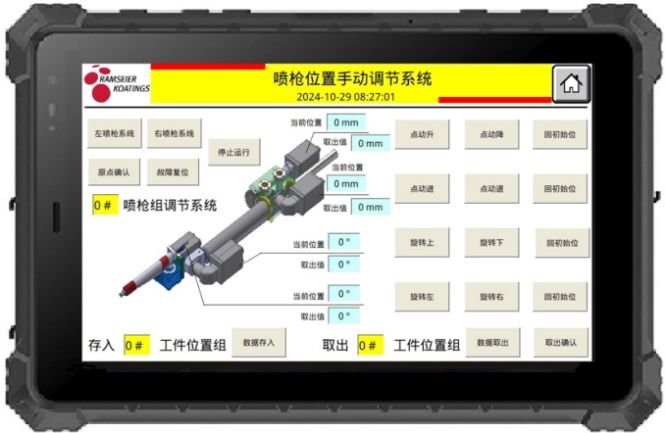
The integration of automation and robotics in powder coating systems allows for precise application and consistent results. Automated spray systems can adjust parameters in real-time, ensuring optimal powder distribution and minimizing waste. This level of control is particularly beneficial in high-volume production environments where consistency is crucial.
Improved Quality Control
Quality is paramount in powder coating, and smart control solutions significantly enhance quality assurance processes. These systems track every batch, monitor application parameters, and record inspection results automatically. By ensuring consistent application thickness and color, manufacturers can reduce defects and rework, ultimately leading to higher customer satisfaction.
Real-Time Monitoring
With smart sensors and IoT connectivity, manufacturers can monitor the powder coating process in real-time. This capability allows for immediate identification of issues, enabling quick corrective actions. The data collected can also be analyzed to identify trends and optimize processes further, ensuring that quality standards are consistently met.
Cost Savings
Implementing smart control solutions can lead to substantial cost savings for manufacturers. By reducing material waste through precise application techniques and minimizing rework due to defects, companies can lower their overall production costs. Additionally, predictive maintenance capabilities help avoid costly downtime and repairs, further enhancing profitability.
Energy Efficiency
Smart control systems optimize energy usage by adjusting operational parameters based on real-time data. For instance, curing ovens can be programmed to avoid over-baking, and conveyors can idle automatically when not in use. These energy-saving measures not only reduce operational costs but also contribute to more sustainable manufacturing practices.
Sustainability
As industries increasingly focus on sustainability, smart control solutions play a crucial role in reducing the environmental impact of powder coating. By optimizing energy usage and minimizing waste, these systems contribute to greener manufacturing practices. For example, accurate control of powder application reduces overspray and lowers the amount of material needed for each job, aligning with global sustainability goals.
Applications of Smart Control Solutions in Powder Coating
Automotive Industry
The automotive industry is one of the largest consumers of powder coating, utilizing it for various components, including wheels, frames, and body parts. Smart control solutions enable manufacturers to achieve high-quality finishes while meeting stringent regulatory requirements. Automated systems can adapt to different materials and shapes, ensuring optimal coating performance regardless of the substrate.
Furniture and Appliances
In the furniture and appliance sectors, aesthetic appeal is crucial. Smart control solutions allow manufacturers to achieve consistent color and texture across large production runs. The ability to quickly switch between different colors and finishes without significant downtime enhances flexibility and responsiveness to market demands.
Industrial Equipment
Manufacturers of industrial equipment benefit from the durability and corrosion resistance provided by powder coating. Smart control solutions ensure that these coatings are applied uniformly, enhancing the longevity and performance of the equipment. Real-time monitoring also allows for immediate adjustments to maintain quality standards.
The Future of Powder Coating with Smart Control Solutions
Industry 4.0 and Smart Manufacturing
The advent of Industry 4.0 has transformed the manufacturing landscape, and powder coating is no exception. The integration of smart technologies, such as artificial intelligence and machine learning, is paving the way for more intelligent and autonomous manufacturing processes. These advancements will enable manufacturers to optimize their operations further, reduce costs, and enhance product quality.
Challenges and Considerations
While the benefits of smart control solutions are clear, manufacturers must also consider the challenges associated with their implementation. The initial investment in technology and training can be significant, and companies must ensure that their workforce is equipped to operate and maintain these advanced systems. Additionally, data security and integration with existing systems are critical factors that need to be addressed.
Conclusion
Leading powder coating manufacturers are increasingly adopting smart control solutions to enhance efficiency, improve quality, and reduce environmental impact. As the industry continues to evolve, these technologies will play a crucial role in shaping the future of powder coating. By embracing innovation and investing in smart manufacturing practices, companies can position themselves for success in a competitive market.
Frequently Asked Questions
1. What are smart control solutions in powder coating?
Smart control solutions refer to advanced technologies that automate and optimize the powder coating process, enhancing efficiency, quality, and sustainability.
2. How do smart control solutions improve efficiency?
These solutions automate various aspects of the coating process, reducing manual setup time and increasing throughput while minimizing downtime.
3. What role does real-time monitoring play in quality control?
Real-time monitoring allows manufacturers to track application parameters and identify issues immediately, ensuring consistent quality and reducing defects.
4. Can smart control solutions help reduce costs?
Yes, by minimizing material waste and avoiding costly downtime through predictive maintenance, smart control solutions can lead to significant cost savings.
5. How do smart control solutions contribute to sustainability?
They optimize energy usage and reduce waste, aligning manufacturing practices with global sustainability goals.
Hot Tags: China, Global, OEM, private label, manufacturers, factory, suppliers, manufacturing company





 CALL US ANY TIME









 Tel: +852 2363 2511
 Fax: +852 2764 0105
 E-mail:

 .
. 