Content Menu
● Understanding Smart Control Systems in Coating
>> What Are Smart Control Systems?
>> The Importance of Coating in Industries
● The Role of AI in Smart Control Systems
>> Enhancing Process Efficiency
>> Improving Quality Control
>> Customization and Flexibility
● Key Technologies Driving AI in Coating
>> Machine Learning
>> Computer Vision
>> Robotics
● Benefits of AI in Coating Systems
>> Cost Reduction
>> Enhanced Sustainability
>> Increased Competitiveness
● Challenges and Considerations
>> Data Quality and Availability
>> Integration with Existing Systems
>> Workforce Adaptation
● Future Trends in AI and Coating
>> Increased Automation
>> Advanced Predictive Analytics
>> Greater Customization
● Conclusion
>> Frequently Asked Questions
Artificial Intelligence (AI) is revolutionizing various industries, and the coating sector is no exception. The integration of AI into smart control systems for coating processes enhances efficiency, quality, and sustainability. This article explores the multifaceted role of AI in modern coating technologies, examining its applications, benefits, and future potential.
Understanding Smart Control Systems in Coating
What Are Smart Control Systems?
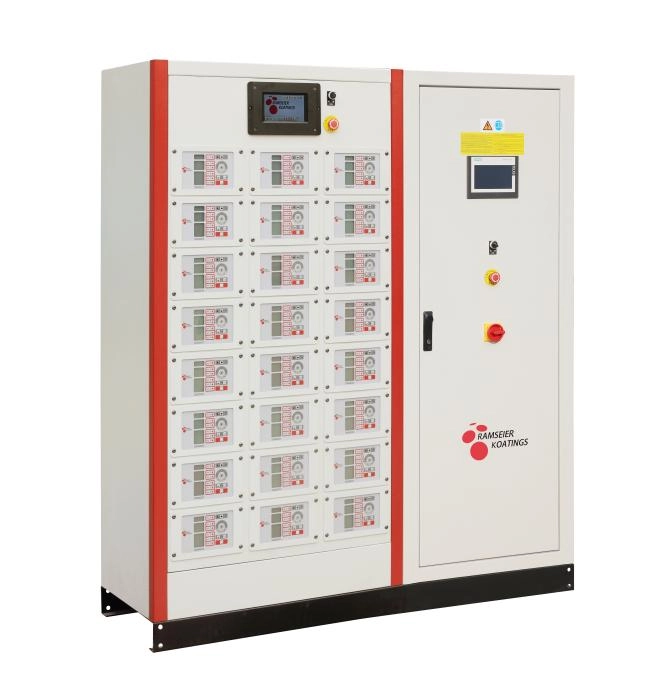
Smart control systems refer to automated systems that utilize advanced technologies, including AI, to monitor and control industrial processes. In the context of coating, these systems manage the application of coatings on various surfaces, ensuring optimal performance and quality.
The Importance of Coating in Industries
Coatings are essential in numerous industries, including automotive, aerospace, electronics, and construction. They provide protection against corrosion, wear, and environmental factors while enhancing aesthetic appeal. The quality of the coating directly impacts the durability and performance of the final product.
The Role of AI in Smart Control Systems
Enhancing Process Efficiency
AI algorithms analyze vast amounts of data in real-time, allowing for quick adjustments in the coating process. This capability leads to:
- Reduced Material Waste: By optimizing the amount of coating applied, AI minimizes excess material usage, contributing to cost savings and environmental sustainability.
- Faster Production Times: AI-driven systems can operate continuously and make real-time adjustments, significantly speeding up production cycles.
Improving Quality Control
Quality control is critical in coating applications. AI enhances quality assurance through:
- Predictive Maintenance: AI systems can predict equipment failures before they occur by analyzing performance data, thus reducing downtime and maintenance costs.
- Automated Inspection: Machine learning algorithms can identify defects in coatings that may be invisible to the human eye, ensuring that only high-quality products reach the market.
Customization and Flexibility
AI enables manufacturers to customize coating processes based on specific requirements. This flexibility is crucial in industries where different products require unique coating specifications. AI systems can adapt to various substrates, coating materials, and environmental conditions, ensuring optimal results.
Key Technologies Driving AI in Coating
Machine Learning
Machine learning, a subset of AI, allows systems to learn from data and improve over time. In coating applications, machine learning algorithms can analyze historical data to optimize coating parameters, such as thickness and application speed.
Computer Vision
Computer vision technology enables AI systems to "see" and analyze the coating process. By using cameras and sensors, these systems can monitor the application in real-time, detecting inconsistencies and making adjustments as needed.
Robotics
Robotic systems equipped with AI capabilities are increasingly used in coating applications. These robots can perform precise movements and adjustments, ensuring uniform coating across complex geometries. The integration of AI allows these robots to learn from previous applications, improving their efficiency and accuracy.
Benefits of AI in Coating Systems
Cost Reduction
The implementation of AI in coating processes leads to significant cost savings. By optimizing material usage and reducing waste, companies can lower their operational costs. Additionally, predictive maintenance reduces the likelihood of costly equipment failures.
Enhanced Sustainability
AI contributes to more sustainable manufacturing practices. By minimizing waste and improving energy efficiency, AI-driven coating systems help companies reduce their environmental footprint. This is increasingly important as industries face pressure to adopt greener practices.
Increased Competitiveness
Companies that leverage AI in their coating processes gain a competitive edge. Enhanced efficiency, quality, and customization capabilities allow them to respond quickly to market demands and customer preferences.
Challenges and Considerations
Data Quality and Availability
The effectiveness of AI systems relies heavily on the quality and availability of data. Inconsistent or incomplete data can lead to inaccurate predictions and suboptimal performance. Companies must invest in robust data collection and management systems to ensure the success of AI implementations.
Integration with Existing Systems
Integrating AI into existing coating systems can be challenging. Companies must ensure that new technologies are compatible with their current processes and equipment. This may require significant investment in infrastructure and training.
Workforce Adaptation
As AI systems take on more responsibilities, the workforce must adapt to new roles. Employees will need training to work alongside AI technologies, focusing on oversight and management rather than manual tasks.

Future Trends in AI and Coating
Increased Automation
The future of coating processes will likely see even greater automation, with AI systems taking on more complex tasks. This trend will lead to higher efficiency and lower labor costs.
Advanced Predictive Analytics
As AI technologies evolve, predictive analytics will become more sophisticated. These advancements will enable companies to anticipate market trends and adjust their coating processes accordingly.
Greater Customization
The demand for customized products is on the rise. AI will play a crucial role in enabling manufacturers to offer tailored coating solutions that meet specific customer needs.
Conclusion
AI is transforming the coating industry by enhancing efficiency, quality, and sustainability. As smart control systems continue to evolve, the integration of AI will become increasingly vital for companies looking to remain competitive in a rapidly changing market. By embracing these technologies, manufacturers can optimize their processes, reduce costs, and meet the growing demand for high-quality coatings.
Frequently Asked Questions
1. What is the primary benefit of using AI in coating processes?
- The primary benefit is enhanced efficiency, which leads to reduced material waste and faster production times.
2. How does AI improve quality control in coatings?
- AI improves quality control through predictive maintenance and automated inspection, ensuring that defects are identified and addressed promptly.
3. What technologies are commonly used in AI-driven coating systems?
- Common technologies include machine learning, computer vision, and robotics.
4. What challenges do companies face when implementing AI in coating processes?
- Challenges include data quality, integration with existing systems, and workforce adaptation.
5. What future trends can we expect in AI and coating?
- Future trends include increased automation, advanced predictive analytics, and greater customization of coating solutions.
Hot Tags: China, Global, OEM, private label, manufacturers, factory, suppliers, manufacturing company





 CALL US ANY TIME









 Tel: +852 2363 2511
 Fax: +852 2764 0105
 E-mail:

 .
. 