Content Menu
● Understanding Powder Coating
>> What is Powder Coating?
>> The Importance of Quality Control
● Top Challenges in Powder Coating
>> 1. Inconsistent Coating Thickness
>> 2. High Material Waste
>> 3. Downtime and Maintenance Issues
>> 4. Environmental Regulations
>> 5. Labor Shortages and Training Needs
● How Smart Control Technology Addresses These Challenges
>> Enhanced Monitoring and Control
>>> Real-Time Feedback Loops
>> Automation and Robotics
>>> Recipe Automation
>> Predictive Maintenance
>> Environmental Compliance
>> Training and Workforce Development
● The Future of Powder Coating with Smart Control Technology
>> Industry 4.0 and Smart Manufacturing
>> Innovations on the Horizon
>> Sustainability and Eco-Friendly Practices
● Conclusion
● Frequently Asked Questions
>> 1. What are the main benefits of using smart control technology in powder coating?
>> 2. How does automation impact the powder coating process?
>> 3. What challenges do manufacturers face when implementing smart control systems?
>> 4. How can predictive maintenance improve production efficiency?
>> 5. What role does sustainability play in the future of powder coating?
Powder coating is a widely used finishing process that provides a durable and attractive surface for various products, from automotive parts to household appliances. However, the industry faces several challenges that can impact efficiency, quality, and environmental compliance. Fortunately, advancements in smart control technology are addressing these issues, leading to improved processes and outcomes. This article explores the top challenges in powder coating and how smart control technology is revolutionizing the industry.
Understanding Powder Coating
What is Powder Coating?
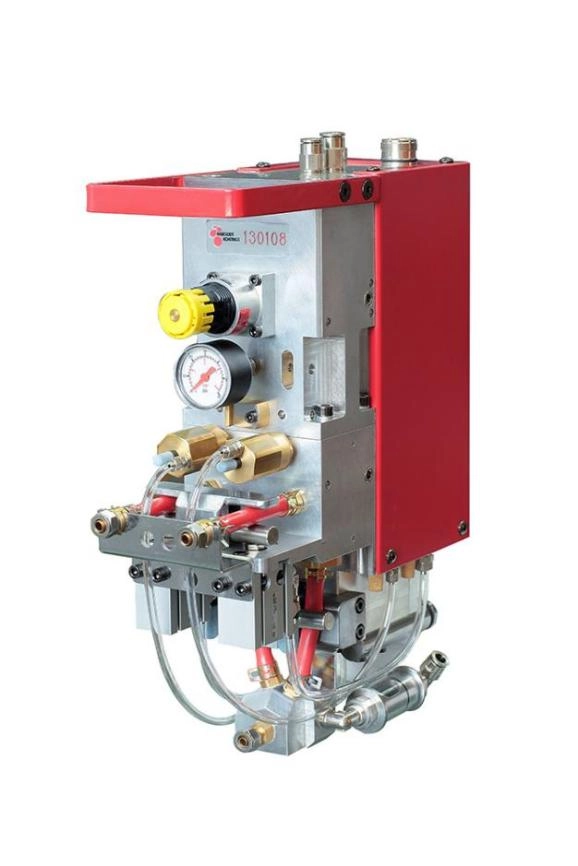
Powder coating is a dry finishing process that uses finely ground particles of pigment and resin, which are electrostatically charged and sprayed onto a surface. The coated item is then cured under heat, allowing the powder to melt and form a hard, protective layer. This method is favored for its durability, resistance to chipping, and environmental benefits, as it produces minimal waste and does not require solvents.
The Importance of Quality Control
Quality control in powder coating is crucial to ensure that the final product meets the desired specifications. Factors such as coating thickness, adhesion, and finish quality must be consistently monitored and controlled. Inconsistent application can lead to defects, increased waste, and customer dissatisfaction.
Top Challenges in Powder Coating
1. Inconsistent Coating Thickness
One of the primary challenges in powder coating is achieving a uniform coating thickness across different surfaces. Variations can occur due to factors such as the shape of the object, the type of powder used, and the application technique. Inconsistent thickness can lead to areas of weakness, affecting the durability and appearance of the finished product.
2. High Material Waste
Material waste is a significant concern in powder coating processes. Overspray, which occurs when excess powder is applied and not adhered to the surface, can lead to increased costs and environmental impact. Efficient powder usage is essential for both economic and ecological reasons.
3. Downtime and Maintenance Issues
Frequent equipment breakdowns and maintenance can disrupt production schedules, leading to increased costs and delayed deliveries. Traditional powder coating systems often require manual checks and adjustments, which can be time-consuming and prone to human error.
4. Environmental Regulations
As environmental regulations become more stringent, powder coating operations must adapt to comply with laws regarding emissions and waste management. This includes minimizing volatile organic compounds (VOCs) and ensuring proper disposal of waste materials.
5. Labor Shortages and Training Needs
The powder coating industry faces challenges related to labor shortages and the need for skilled workers. Training employees to operate advanced equipment and understand quality control processes is essential for maintaining high standards.
How Smart Control Technology Addresses These Challenges
Enhanced Monitoring and Control
Smart control technology integrates advanced sensors and data analytics into the powder coating process. This allows for real-time monitoring of key parameters such as coating thickness, temperature, and humidity. By continuously analyzing this data, manufacturers can make immediate adjustments to ensure consistent quality.
Real-Time Feedback Loops
With smart control systems, operators receive real-time feedback on the coating process. This enables them to identify and rectify issues as they arise, reducing the likelihood of defects and improving overall efficiency.
Automation and Robotics
The integration of automation and robotics in powder coating systems significantly enhances efficiency. Automated systems can apply powder with precision, reducing overspray and ensuring uniform coverage. Robotics can also handle repetitive tasks, minimizing the risk of human error and freeing up skilled workers for more complex roles.
Recipe Automation
Smart control technology allows for recipe automation, where specific parameters for different coatings can be stored and recalled as needed. This ensures that the correct settings are applied consistently, further enhancing quality control.
Predictive Maintenance
Smart control systems can predict when maintenance is required based on data analysis. This proactive approach reduces unplanned downtime and extends the lifespan of equipment. By addressing maintenance needs before they lead to breakdowns, manufacturers can maintain continuous production.
Environmental Compliance
Smart control technology helps manufacturers comply with environmental regulations by optimizing powder usage and reducing waste. Advanced filtration systems can capture overspray, allowing for the recycling of unused powder. Additionally, real-time monitoring ensures that emissions remain within acceptable limits.
Training and Workforce Development
While the implementation of smart control technology requires an initial investment in training, it ultimately leads to a more skilled workforce. Employees become adept at using advanced systems, which enhances their value and contributes to overall operational success.
The Future of Powder Coating with Smart Control Technology
Industry 4.0 and Smart Manufacturing
The integration of smart control technology in powder coating is part of the broader Industry 4.0 movement, which emphasizes automation, data exchange, and smart manufacturing. As more companies adopt these technologies, the powder coating industry will continue to evolve, becoming more efficient, sustainable, and responsive to market demands.
Innovations on the Horizon
Future advancements in smart control technology may include the use of artificial intelligence (AI) and machine learning to further enhance data analysis and process optimization. These innovations could lead to even greater efficiencies and quality improvements in powder coating.
Sustainability and Eco-Friendly Practices
As sustainability becomes a priority for manufacturers, smart control technology will play a crucial role in reducing the environmental impact of powder coating. By optimizing processes and minimizing waste, companies can contribute to a more sustainable future.
Conclusion
Smart control technology is transforming the powder coating industry by addressing key challenges such as inconsistent coating thickness, high material waste, and maintenance issues. By enhancing monitoring and control, automating processes, and ensuring compliance with environmental regulations, manufacturers can improve efficiency and product quality. As the industry continues to evolve, the integration of smart technologies will be essential for staying competitive and meeting the demands of a changing market.

Frequently Asked Questions
1. What are the main benefits of using smart control technology in powder coating?
Smart control technology enhances efficiency, improves quality control, reduces material waste, and ensures compliance with environmental regulations.
2. How does automation impact the powder coating process?
Automation increases precision in powder application, reduces overspray, and minimizes human error, leading to a more consistent and high-quality finish.
3. What challenges do manufacturers face when implementing smart control systems?
Manufacturers may encounter initial investment costs, the need for workforce training, and integration challenges with existing equipment.
4. How can predictive maintenance improve production efficiency?
Predictive maintenance allows manufacturers to address maintenance needs before they lead to equipment breakdowns, reducing unplanned downtime and maintaining continuous production.
5. What role does sustainability play in the future of powder coating?
Sustainability is becoming increasingly important, and smart control technology helps reduce waste and optimize processes, contributing to more eco-friendly manufacturing practices.
Hot Tags: China, Global, OEM, private label, manufacturers, factory, suppliers, manufacturing company





 CALL US ANY TIME









 Tel: +852 2363 2511
 Fax: +852 2764 0105
 E-mail:

 .
. 