Content Menu
● Understanding Electrostatic Spray Technology
>> What is Electrostatic Spray?
>> The Role of Smart Control Systems
● Benefits of Smart Control Systems
>> Enhanced Efficiency
>> Consistent Quality
>> Automation and Labor Savings
● Key Features of Smart Control Systems
>> Advanced Sensors
>> User-Friendly Interfaces
>> Connectivity and Data Management
● The Future of Smart Control Systems in Electrostatic Spray Equipment
>> Trends in Technology
>> Environmental Considerations
● Conclusion
>> Frequently Asked Questions
Electrostatic spray equipment has revolutionized the way coatings are applied in various industries, from automotive to furniture manufacturing. The integration of smart control systems into these devices has further enhanced their efficiency, precision, and overall effectiveness. This article delves into the significance of smart control systems in electrostatic spray equipment, exploring their benefits, functionalities, and the future of coating technologies.
Understanding Electrostatic Spray Technology
What is Electrostatic Spray?
Electrostatic spray technology involves applying an electric charge to paint particles, which are then attracted to a grounded object. This method significantly improves transfer efficiency, reducing overspray and material waste. The charged particles can even change direction mid-air, allowing for better coverage of complex shapes and surfaces.
The Role of Smart Control Systems
Smart control systems are advanced technologies that monitor and adjust the performance of electrostatic spray equipment in real-time. These systems utilize sensors, data analytics, and automation to optimize the spraying process, ensuring consistent quality and efficiency.
Benefits of Smart Control Systems
Enhanced Efficiency
One of the primary advantages of smart control systems is their ability to enhance the efficiency of electrostatic spray equipment. By continuously monitoring parameters such as voltage, flow rate, and spray pattern, these systems can make real-time adjustments. This leads to:
- Reduced Paint Waste: By optimizing the amount of paint used, smart systems minimize waste, which is both cost-effective and environmentally friendly.
- Improved Transfer Efficiency: Higher transfer efficiency means more paint adheres to the target surface, resulting in a better finish and less need for touch-ups.
Consistent Quality
Smart control systems ensure that the quality of the coating remains consistent across different batches. This is achieved through:
- Real-Time Monitoring: Continuous feedback from sensors allows for immediate corrections to any deviations in the spraying process.
- Data Analytics: By analyzing historical data, these systems can predict and prevent potential issues, maintaining high standards of quality.
Automation and Labor Savings
The integration of smart control systems automates many aspects of the spraying process, which can lead to significant labor savings. Automation reduces the reliance on skilled labor for manual adjustments and monitoring, allowing operators to focus on more critical tasks.
Key Features of Smart Control Systems
Advanced Sensors
Smart control systems are equipped with advanced sensors that monitor various parameters, including:
- Voltage Levels: Ensuring optimal charge for paint particles.
- Flow Rates: Adjusting the amount of paint being sprayed based on the surface area and type of coating.
- Environmental Conditions: Monitoring humidity and temperature to adjust the spraying process accordingly.
User-Friendly Interfaces
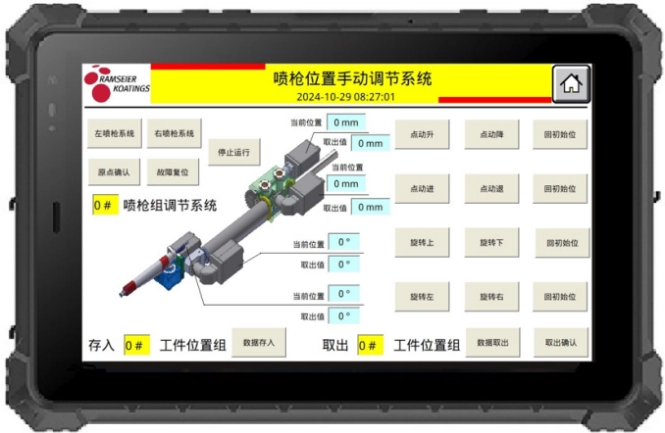
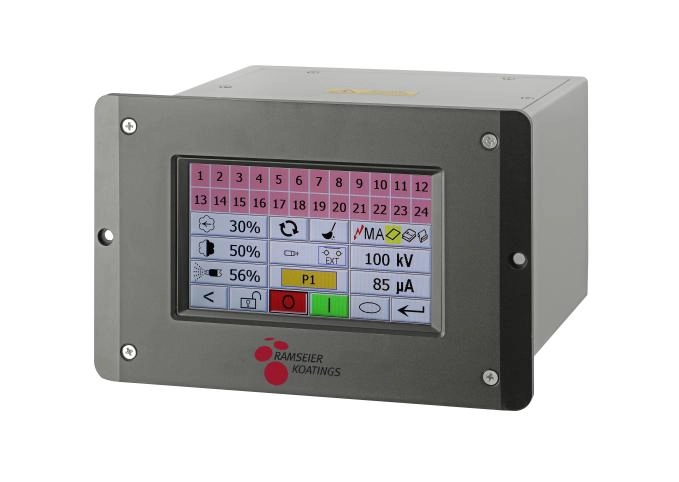
Modern smart control systems often feature intuitive user interfaces that allow operators to easily monitor and adjust settings. These interfaces can include:
- Touchscreen Controls: Simplifying the operation and adjustment of settings.
- Diagnostic Displays: Providing real-time feedback on system performance and alerts for maintenance needs.
Connectivity and Data Management
Many smart control systems offer connectivity options that enable data collection and remote monitoring. This feature allows for:
- Remote Diagnostics: Technicians can troubleshoot issues without being on-site, reducing downtime.
- Data Logging: Historical data can be analyzed to improve future operations and maintenance schedules.
The Future of Smart Control Systems in Electrostatic Spray Equipment
Trends in Technology
As technology continues to evolve, the future of smart control systems in electrostatic spray equipment looks promising. Key trends include:
- Integration with IoT: The Internet of Things (IoT) will enable even greater connectivity and data sharing between machines, leading to more efficient operations.
- Artificial Intelligence: AI can enhance predictive maintenance and optimize spraying processes based on real-time data analysis.
Environmental Considerations
With increasing pressure to reduce environmental impact, smart control systems will play a crucial role in developing more sustainable coating processes. Features such as:
- Lower VOC Emissions: By optimizing the spraying process, these systems can help reduce volatile organic compounds (VOCs) released into the atmosphere.
- Resource Efficiency: Enhanced efficiency means less material waste, contributing to a more sustainable manufacturing process.
Conclusion
Smart control systems are transforming the landscape of electrostatic spray equipment, offering numerous benefits that enhance efficiency, quality, and sustainability. As technology advances, these systems will continue to evolve, paving the way for more innovative and environmentally friendly coating solutions.
Frequently Asked Questions
1. What are the main advantages of using smart control systems in electrostatic spray equipment?
- Smart control systems enhance efficiency, ensure consistent quality, and reduce labor costs through automation.
2. How do smart control systems improve transfer efficiency?
- They optimize voltage and flow rates in real-time, ensuring that more paint adheres to the target surface and reducing overspray.
3. What role do sensors play in smart control systems?
- Sensors monitor critical parameters such as voltage, flow rate, and environmental conditions, allowing for real-time adjustments to the spraying process.
4. Can smart control systems help reduce environmental impact?
- Yes, by minimizing paint waste and lowering VOC emissions, smart control systems contribute to more sustainable manufacturing practices.
5. What future trends can we expect in smart control systems for electrostatic spray equipment?
- Future trends include greater integration with IoT, the use of artificial intelligence for predictive maintenance, and enhanced data analytics capabilities.
Hot Tags: China, Global, OEM, private label, manufacturers, factory, suppliers, manufacturing company





 CALL US ANY TIME









 Tel: +852 2363 2511
 Fax: +852 2764 0105
 E-mail:

 .
. 