Content Menu
● The Rise of Artificial Intelligence in Smart Control Systems
>> Understanding AI Integration
>> Enhanced User Experience
● Connectivity and Interoperability
>> The Role of IoT
>> Edge Computing
● Sustainability and Energy Management
>> Smart Energy Solutions
>> Intelligent Resource Management
● Security and Privacy Enhancements
>> Advanced Security Features
>> Privacy Considerations
● The Future of Smart Control Systems in Various Sectors
>> Smart Homes
>> Smart Cities
>> Industrial Automation
● Challenges and Considerations
>> Integration Challenges
>> Cybersecurity Risks
● Conclusion
>> Frequently Asked Questions
The evolution of smart control systems is reshaping how we interact with technology in our homes, workplaces, and cities. As we look toward the future, several key innovations are set to redefine our expectations and experiences. This article explores the anticipated advancements in smart control systems, focusing on their integration with artificial intelligence, enhanced connectivity, and sustainability.
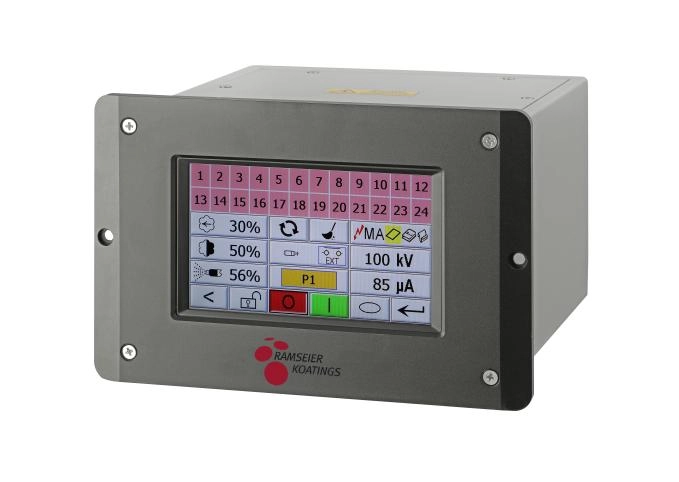
The Rise of Artificial Intelligence in Smart Control Systems
Understanding AI Integration
Artificial intelligence (AI) is at the forefront of the next generation of smart control systems. By leveraging machine learning algorithms, these systems can analyze vast amounts of data to make informed decisions. This capability allows for predictive maintenance, where systems can anticipate failures before they occur, thus minimizing downtime and maintenance costs.
Enhanced User Experience
AI-driven smart control systems are designed to learn from user behavior. For instance, smart thermostats can adjust heating and cooling based on your daily routines, optimizing energy consumption while enhancing comfort. This level of personalization is expected to become more sophisticated, with systems capable of understanding and adapting to individual preferences over time.
Connectivity and Interoperability
The Role of IoT
The Internet of Things (IoT) is a critical component of smart control systems. As more devices become interconnected, the ability to communicate seamlessly across platforms will be essential. Future smart control systems will likely utilize advanced protocols that ensure interoperability among various devices, regardless of the manufacturer.
Edge Computing
Edge computing is another innovation that will enhance connectivity. By processing data closer to the source, edge computing reduces latency and improves response times. This is particularly important for applications requiring real-time data analysis, such as autonomous vehicles and smart manufacturing systems.
Sustainability and Energy Management
Smart Energy Solutions
As the world increasingly focuses on sustainability, smart control systems will play a pivotal role in energy management. Innovations in this area include systems that integrate renewable energy sources, such as solar panels and wind turbines, with smart grids. These systems can optimize energy distribution based on real-time demand and supply, significantly reducing reliance on fossil fuels.
Intelligent Resource Management
Next-generation smart control systems will also feature advanced resource management capabilities. For example, smart water management systems can monitor usage patterns and detect leaks, helping to conserve water and reduce waste. Similarly, smart waste management systems can optimize collection routes based on real-time data, improving efficiency and reducing carbon footprints.
Security and Privacy Enhancements
Advanced Security Features
As smart control systems become more prevalent, security concerns will also rise. Future innovations will likely include AI-powered security systems that can detect unusual activity and respond accordingly. These systems may utilize biometric authentication and quantum encryption to enhance security, ensuring that user data remains protected.
Privacy Considerations
With increased connectivity comes the need for robust privacy measures. Next-generation smart control systems will incorporate features that allow users to control their data and privacy settings easily. This transparency will be crucial in building trust among users and encouraging the adoption of smart technologies.
The Future of Smart Control Systems in Various Sectors
Smart Homes
In residential settings, smart control systems will continue to evolve, offering homeowners unprecedented convenience and efficiency. Innovations such as smart appliances that communicate with each other and adapt to user preferences will become commonplace. For instance, a smart kitchen could automatically adjust cooking times based on the type of food being prepared, ensuring optimal results.
Smart Cities
In urban environments, smart control systems will facilitate the development of smart cities. These systems will integrate various city services, such as traffic management, public transportation, and emergency response, into a cohesive network. By utilizing real-time data, cities can optimize resource allocation and improve the quality of life for residents.
Industrial Automation
The industrial sector will also benefit from advancements in smart control systems. Automation technologies will enhance productivity and efficiency in manufacturing processes. For example, smart factories equipped with IoT sensors can monitor equipment performance and predict maintenance needs, reducing downtime and operational costs.
Challenges and Considerations
Integration Challenges
While the future of smart control systems is promising, several challenges must be addressed. Integrating new technologies with existing systems can be complex and costly. Organizations will need to invest in training and infrastructure to ensure a smooth transition to next-generation systems.
Cybersecurity Risks
As smart control systems become more interconnected, the risk of cyberattacks increases. Organizations must prioritize cybersecurity measures to protect sensitive data and maintain system integrity. This includes implementing robust encryption protocols and regular security audits.
Conclusion
The next generation of smart control systems promises to revolutionize how we interact with technology in our daily lives. With advancements in AI, connectivity, and sustainability, these systems will enhance efficiency, security, and user experience across various sectors. As we move forward, addressing the challenges associated with integration and cybersecurity will be crucial in realizing the full potential of smart control systems.

Frequently Asked Questions
1. What are smart control systems?
Smart control systems are integrated technologies that manage and automate various functions in homes, industries, and cities, enhancing efficiency and user experience.
2. How will AI impact smart control systems?
AI will enable smart control systems to learn from user behavior, optimize performance, and predict maintenance needs, leading to improved efficiency and user satisfaction.
3. What role does IoT play in smart control systems?
IoT connects various devices, allowing them to communicate and work together seamlessly, enhancing the functionality and interoperability of smart control systems.
4. What are the sustainability benefits of smart control systems?
Smart control systems can optimize energy and resource management, integrating renewable energy sources and reducing waste, contributing to a more sustainable future.
5. What security measures are being implemented in smart control systems?
Future smart control systems will incorporate advanced security features such as AI-driven threat detection, biometric authentication, and robust encryption to protect user data.
Hot Tags: China, Global, OEM, private label, manufacturers, factory, suppliers, manufacturing company





 CALL US ANY TIME









 Tel: +852 2363 2511
 Fax: +852 2764 0105
 E-mail:

 .
. 