Content Menu
● Introduction
● Understanding Reciprocators and Powder Supply Systems
>> What are Reciprocators?
>> Overview of Powder Supply Systems
● The Importance of Integration
>> Enhancing Efficiency
>> Improving Quality
● Best Practices for Integration
>> Selecting the Right Equipment
>>> Assessing Compatibility
>>> Choosing the Right Type of Reciprocator
>> Optimizing System Configuration
>>> Positioning of Equipment
>>> Adjusting Parameters for Optimal Performance
>> Implementing Control Systems
>>> Utilizing Automation
>>> Feedback Mechanisms
● Common Challenges and Solutions
>> Addressing Powder Flow Issues
>>> Solutions
>> Managing Equipment Wear and Tear
>>> Solutions
>> Ensuring Safety
>>> Solutions
● Future Trends in Integration
>> Advancements in Technology
>> Sustainability Considerations
● Conclusion
● Frequently Asked Questions
>> 1. What types of powders are commonly used in powder supply systems?
>> 2. How can I ensure the quality of the powder application?
>> 3. What are the benefits of using automated control systems?
>> 4. How often should maintenance be performed on the equipment?
>> 5. What safety measures should be implemented when using these systems?
Introduction
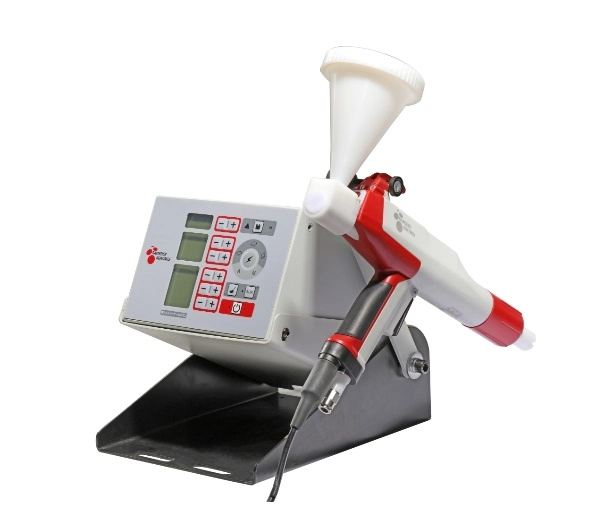
In the realm of advanced manufacturing, particularly in additive manufacturing and powder coating processes, the integration of reciprocators with powder supply systems has become increasingly vital. This integration not only enhances efficiency but also improves the quality of the final product. This article delves into the best practices for integrating reciprocators with powder supply systems, exploring the technical aspects, operational strategies, and common challenges faced in the industry.
Understanding Reciprocators and Powder Supply Systems
What are Reciprocators?
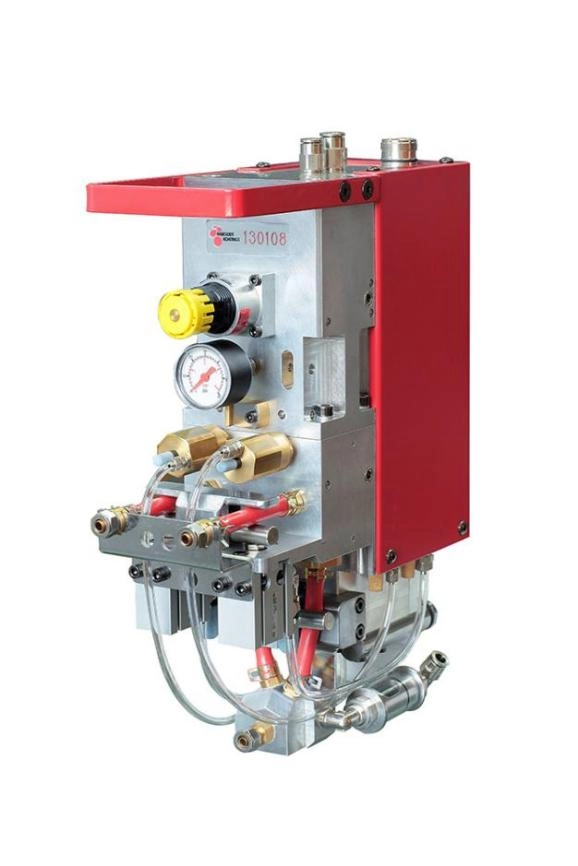
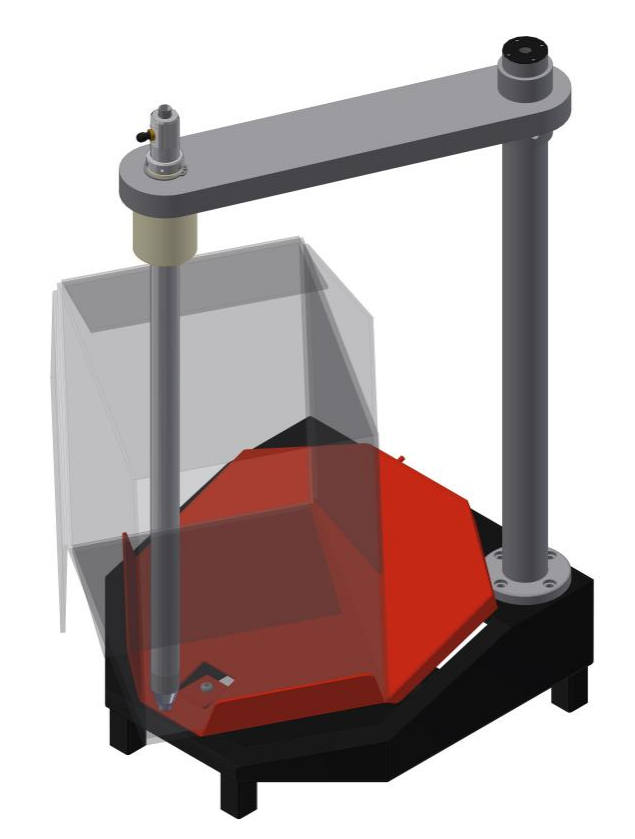
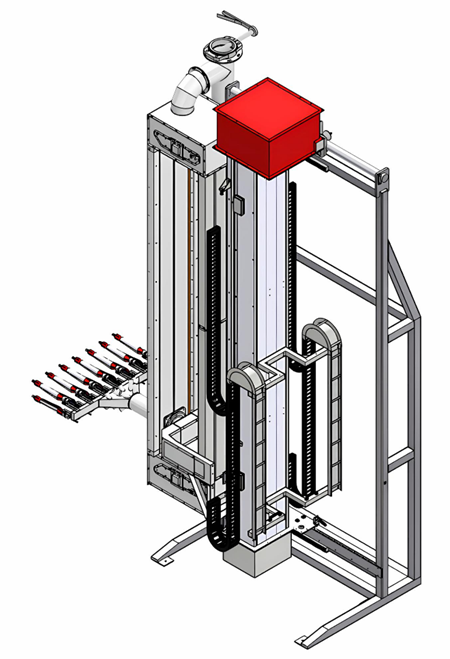
Reciprocators are mechanical devices that move in a back-and-forth motion. In manufacturing, they are primarily used to apply coatings or materials uniformly over a surface. Their design allows for precise control over the application process, making them essential in various industries, including automotive, aerospace, and electronics.
Overview of Powder Supply Systems
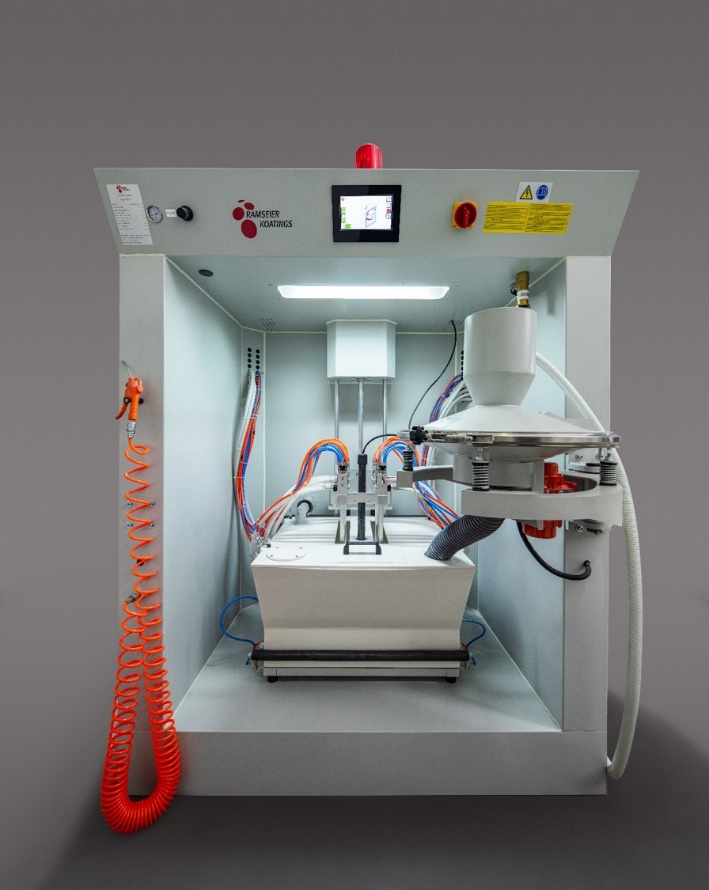
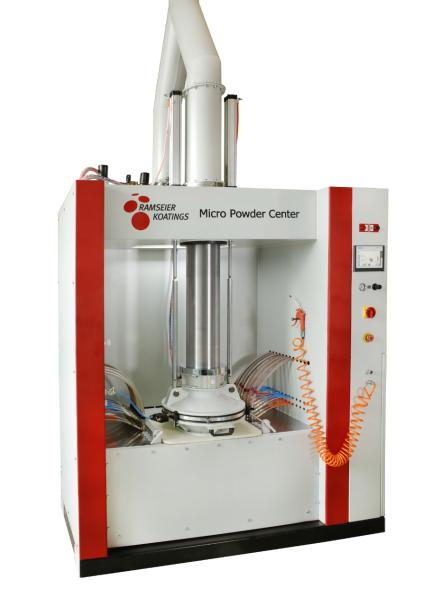
Powder supply systems are designed to deliver powder materials to the application area efficiently. These systems can vary significantly in complexity, from simple gravity-fed hoppers to sophisticated pneumatic systems that ensure a consistent flow of powder. The choice of powder supply system often depends on the specific requirements of the application, including the type of powder, the desired coating thickness, and the speed of operation.
The Importance of Integration
Enhancing Efficiency
Integrating reciprocators with powder supply systems streamlines the coating process. By synchronizing the movement of the reciprocator with the powder delivery, manufacturers can achieve a more uniform application, reducing waste and improving material utilization. This efficiency is particularly crucial in high-volume production environments where every second counts.
Improving Quality
Quality control is paramount in manufacturing. The integration of these systems allows for better control over the application parameters, such as speed, distance, and powder flow rate. This control leads to a more consistent coating thickness and improved adhesion, ultimately enhancing the durability and performance of the finished product.
Best Practices for Integration
Selecting the Right Equipment
Assessing Compatibility
Before integrating a reciprocator with a powder supply system, it is essential to assess the compatibility of the equipment. This includes evaluating the specifications of both systems, such as the type of powder being used, the required application speed, and the environmental conditions of the workspace.
Choosing the Right Type of Reciprocator
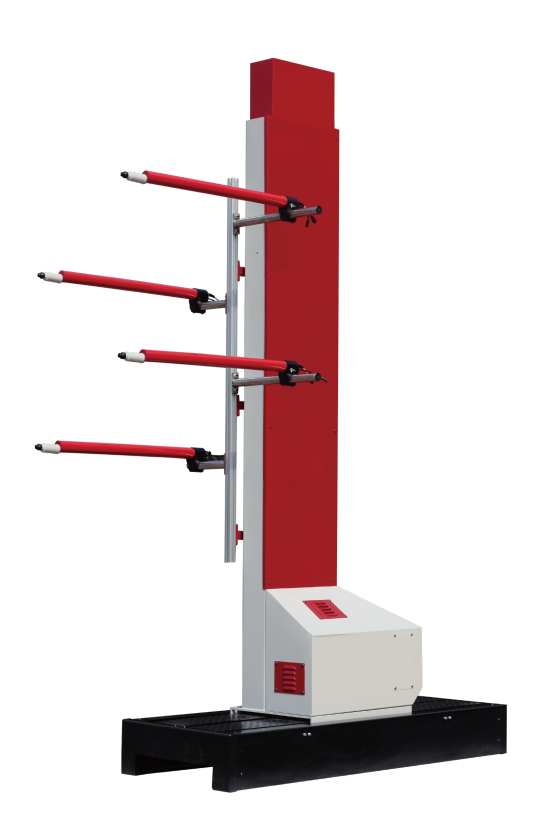
There are various types of reciprocators available, including electric, pneumatic, and hydraulic models. The choice of reciprocator should align with the specific needs of the application. For instance, electric reciprocators are often preferred for their precision and control, while pneumatic models may be favored for their speed and simplicity.
Optimizing System Configuration
Positioning of Equipment
The physical arrangement of the reciprocator and powder supply system can significantly impact performance. It is crucial to position the equipment to minimize the distance between the powder delivery point and the application area. This setup reduces the risk of powder settling or clumping, ensuring a consistent flow.
Adjusting Parameters for Optimal Performance
Once the systems are integrated, it is vital to fine-tune the operational parameters. This includes adjusting the speed of the reciprocator, the flow rate of the powder, and the distance between the nozzle and the substrate. Regular testing and adjustments can help identify the optimal settings for different materials and applications.
Implementing Control Systems
Utilizing Automation
Incorporating automation into the integration process can enhance precision and reduce human error. Automated control systems can monitor and adjust the parameters in real-time, ensuring that the application remains consistent throughout the production run. This technology can also facilitate data collection for further analysis and optimization.
Feedback Mechanisms
Implementing feedback mechanisms allows for continuous monitoring of the application process. Sensors can be used to detect variations in powder flow, coating thickness, and other critical parameters. This data can be invaluable for making immediate adjustments and for long-term process improvements.
Common Challenges and Solutions
Addressing Powder Flow Issues
One of the most common challenges in integrating reciprocators with powder supply systems is maintaining a consistent powder flow. Factors such as humidity, temperature, and the properties of the powder can affect flow rates.
Solutions
- Regular Maintenance: Ensuring that the powder supply system is clean and well-maintained can help prevent clogs and inconsistencies.
- Environmental Controls: Implementing climate control measures in the workspace can mitigate the effects of humidity and temperature fluctuations.
Managing Equipment Wear and Tear
The integration of these systems can lead to increased wear and tear on equipment, particularly in high-volume applications.
Solutions
- Routine Inspections: Regularly inspecting and replacing worn components can prevent unexpected downtime and maintain production efficiency.
- Quality Materials: Investing in high-quality materials for both the reciprocator and powder supply system can enhance durability and performance.
Ensuring Safety
Safety is a critical concern in any manufacturing environment. The integration of reciprocators and powder supply systems can introduce new hazards, such as dust explosions or equipment malfunctions.
Solutions
- Safety Training: Providing comprehensive training for operators on the safe use of equipment can reduce the risk of accidents.
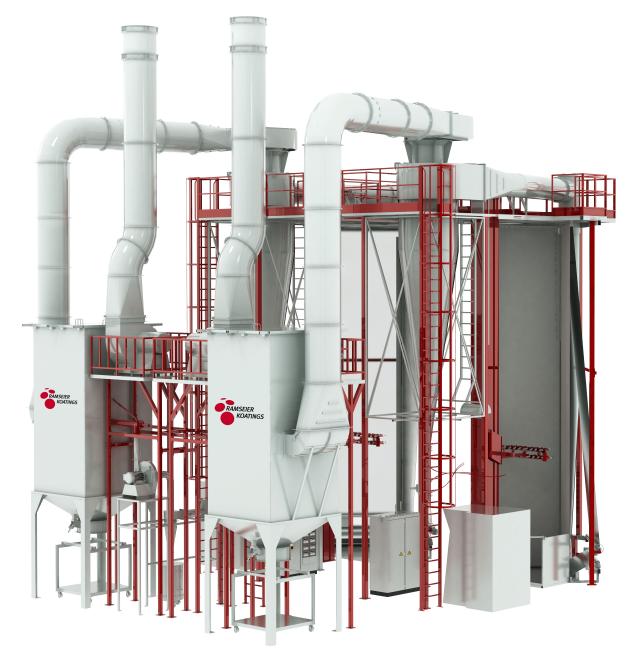
- Safety Equipment: Implementing safety measures, such as dust collection systems and emergency shut-off switches, can help mitigate risks.
Future Trends in Integration
Advancements in Technology
The future of integrating reciprocators with powder supply systems looks promising, with advancements in technology paving the way for more efficient and effective processes. Innovations such as smart sensors, machine learning algorithms, and enhanced automation are expected to play a significant role in optimizing these systems.
Sustainability Considerations
As industries move towards more sustainable practices, the integration of reciprocators and powder supply systems will also evolve. This includes the development of eco-friendly powders and systems designed to minimize waste and energy consumption.
Conclusion
Integrating reciprocators with powder supply systems is a complex but rewarding endeavor that can significantly enhance manufacturing efficiency and product quality. By following best practices in equipment selection, system configuration, and operational management, manufacturers can overcome common challenges and position themselves for future success. As technology continues to advance, the potential for even greater integration and optimization will only increase, making this an exciting area for ongoing research and development.
Frequently Asked Questions
1. What types of powders are commonly used in powder supply systems?
Common powders include thermoplastic and thermosetting materials, metal powders for additive manufacturing, and various coatings for surface finishing.
2. How can I ensure the quality of the powder application?
Regularly calibrating the equipment, monitoring environmental conditions, and conducting quality checks on the finished product can help maintain application quality.
3. What are the benefits of using automated control systems?
Automated control systems enhance precision, reduce human error, and allow for real-time adjustments, leading to more consistent and efficient operations.
4. How often should maintenance be performed on the equipment?
Maintenance schedules can vary, but regular inspections and cleaning should be conducted at least monthly, with more frequent checks in high-volume environments.
5. What safety measures should be implemented when using these systems?
Implementing dust collection systems, providing operator training, and ensuring emergency shut-off mechanisms are in place are essential safety measures.
Hot Tags: China, Global, OEM, private label, manufacturers, factory, suppliers, manufacturing company





 CALL US ANY TIME









 Tel: +852 2363 2511
 Fax: +852 2764 0105
 E-mail:

 .
. 